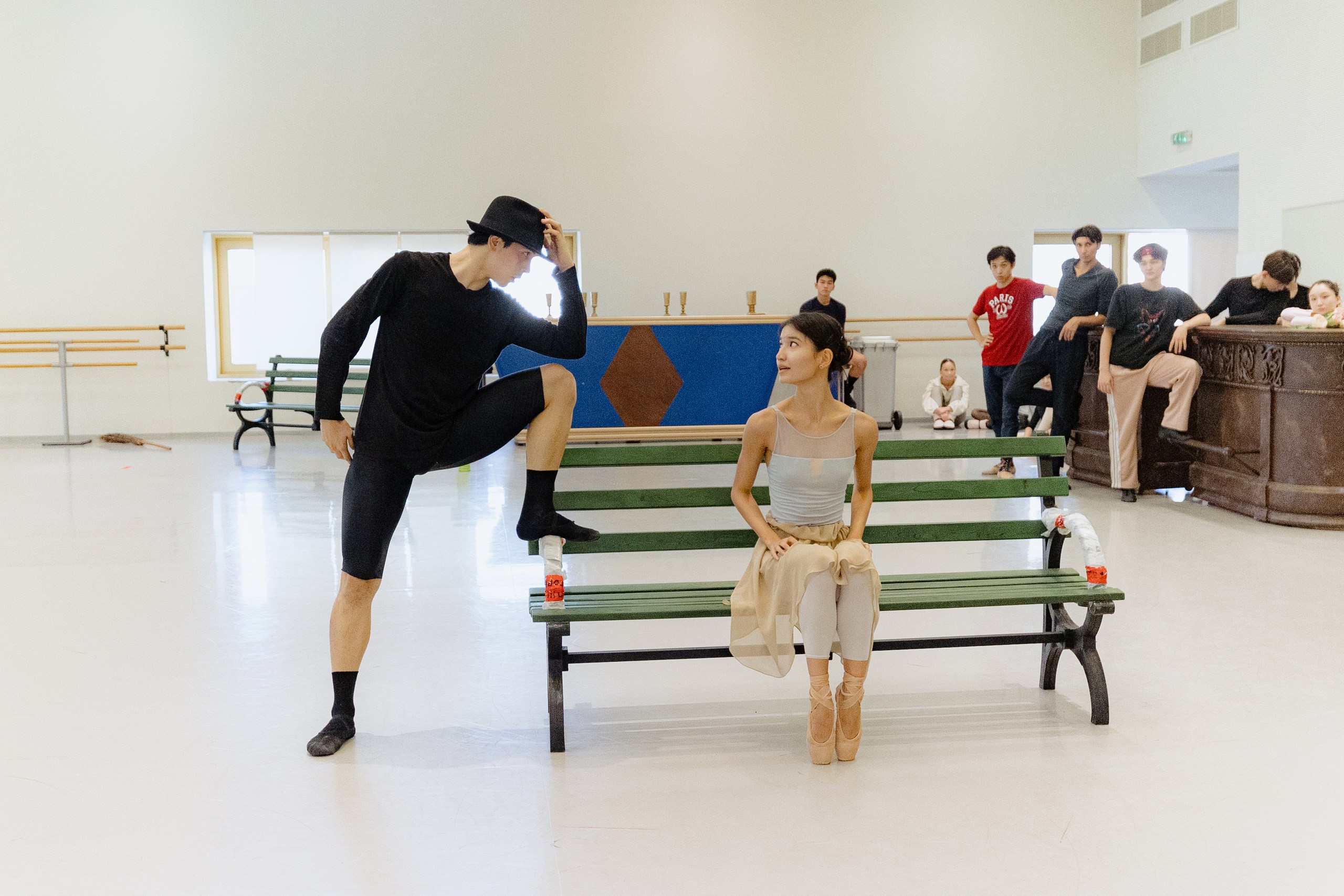
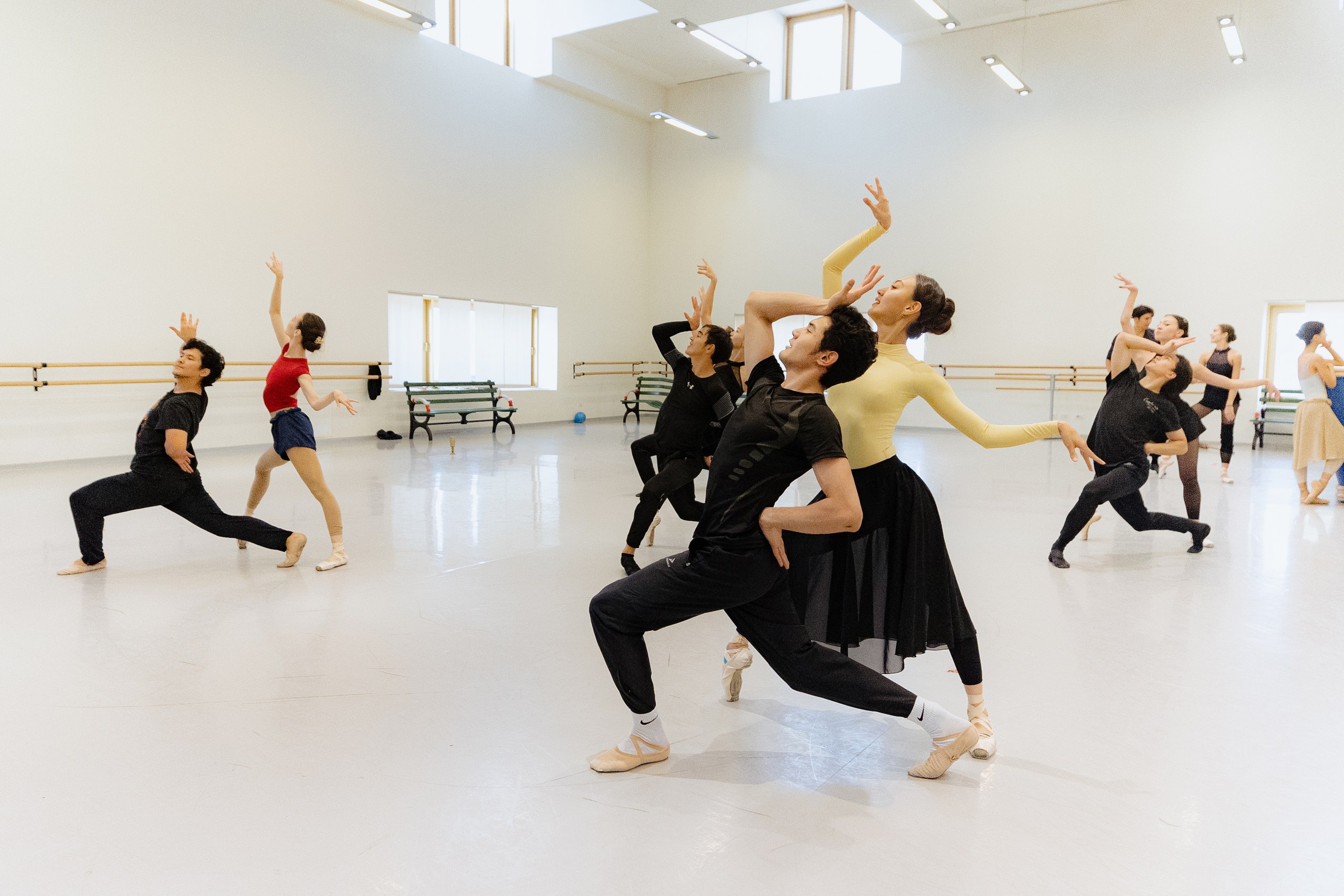
With only a few days remaining until the premiere of the ballet Charlie and Iren on 31 October and 1 November at Astana Opera, the production team is meticulously bringing 1970s New York to life behind the scenes, ensuring that every detail carries profound artistic meaning.
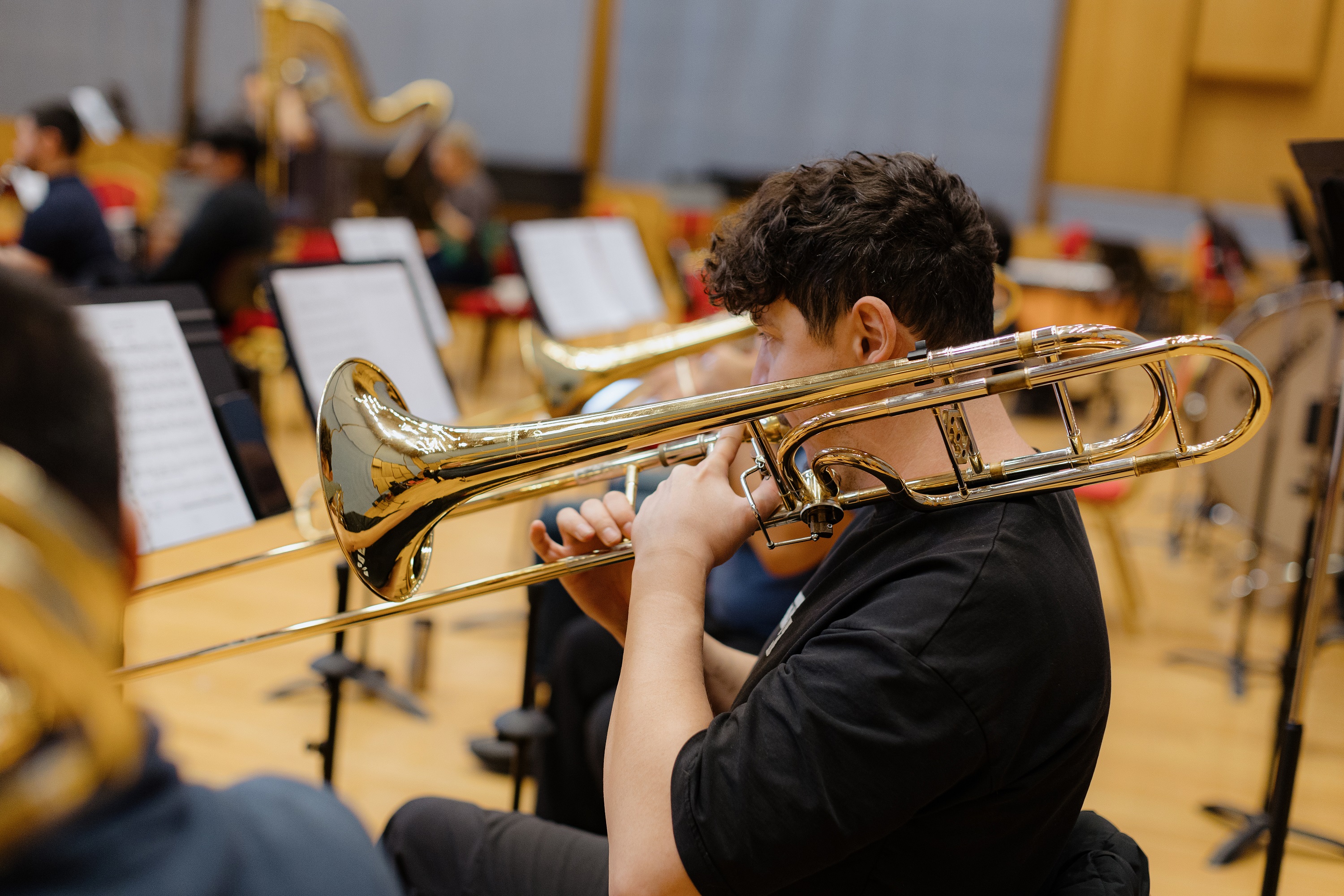
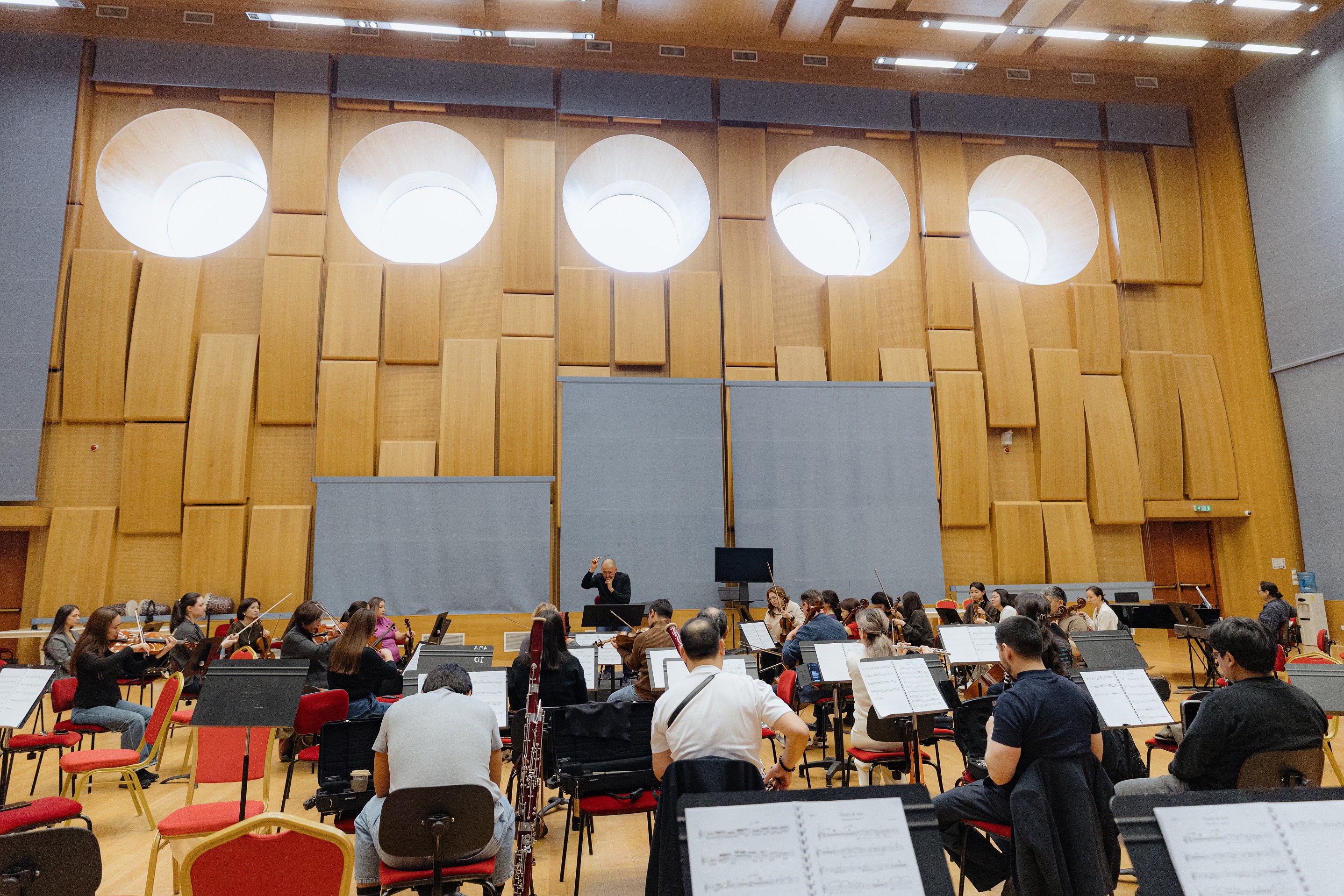
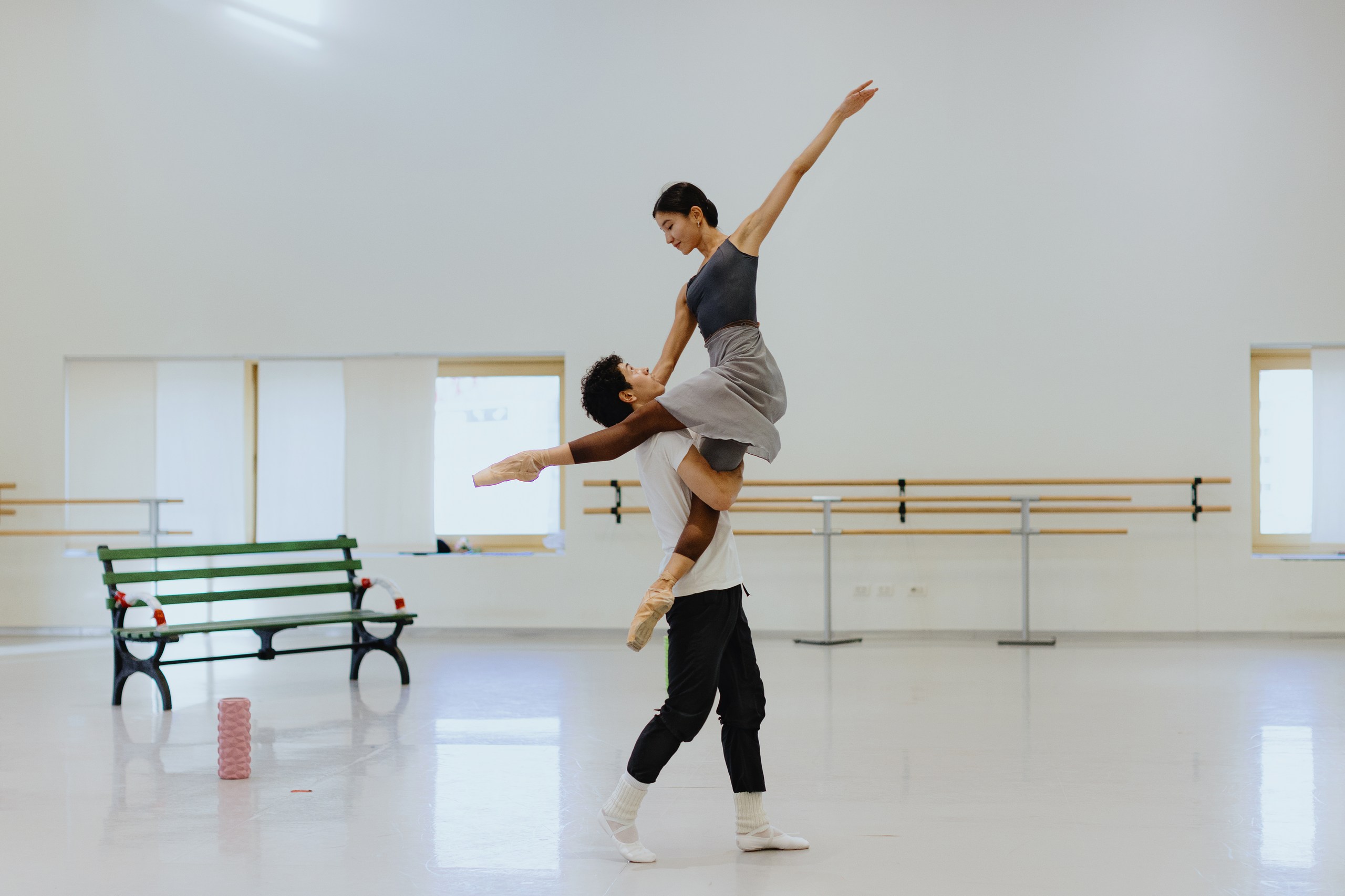
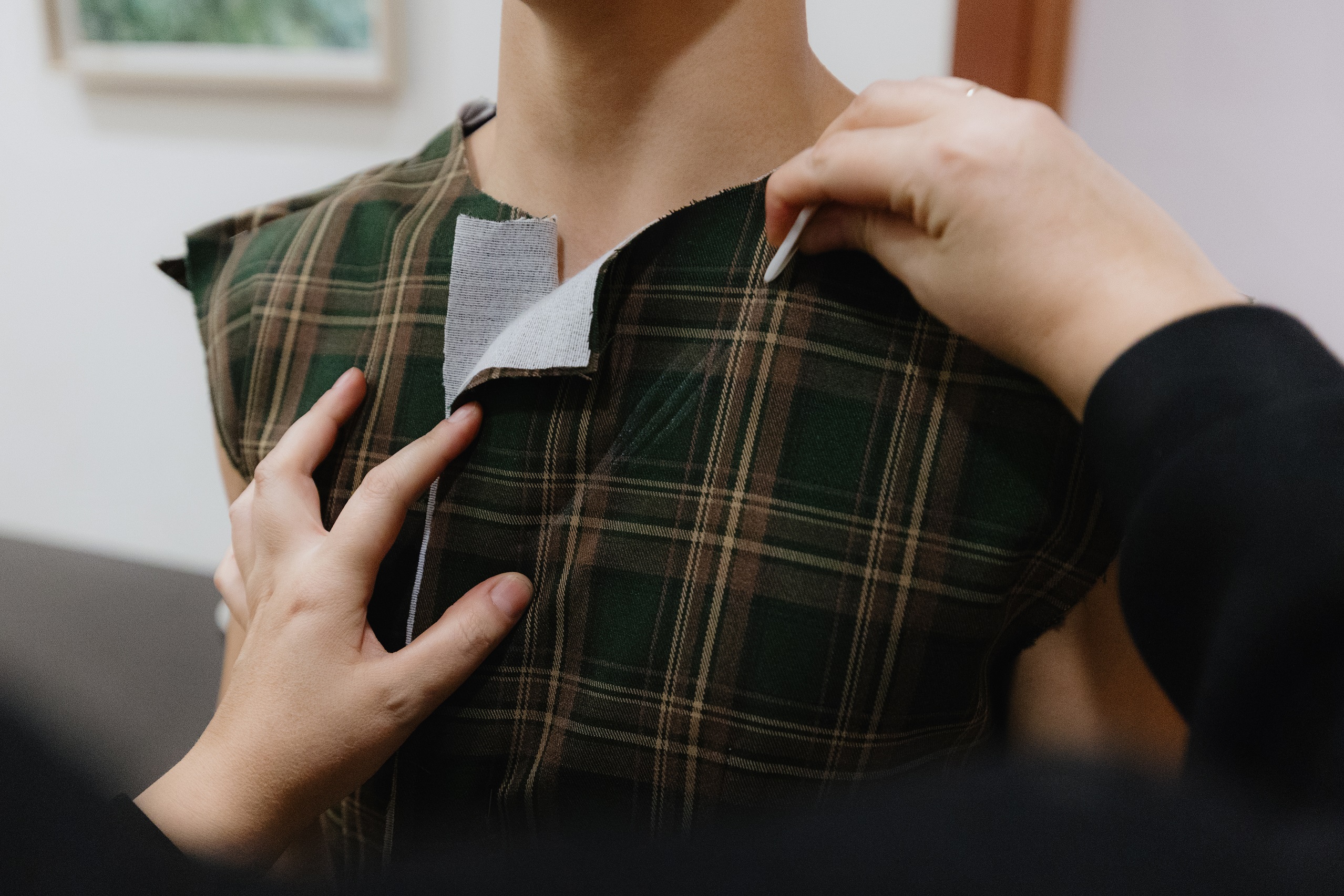
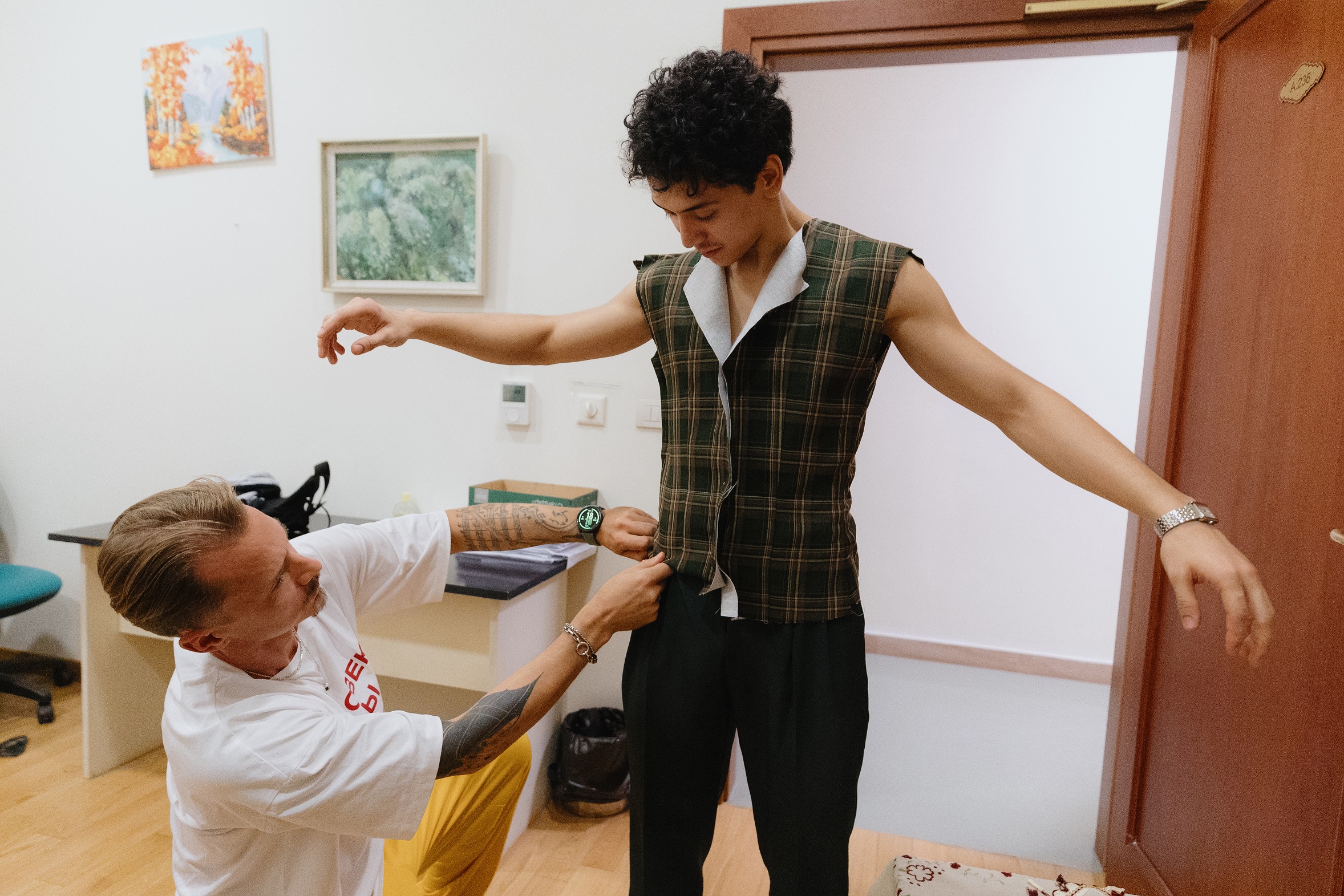
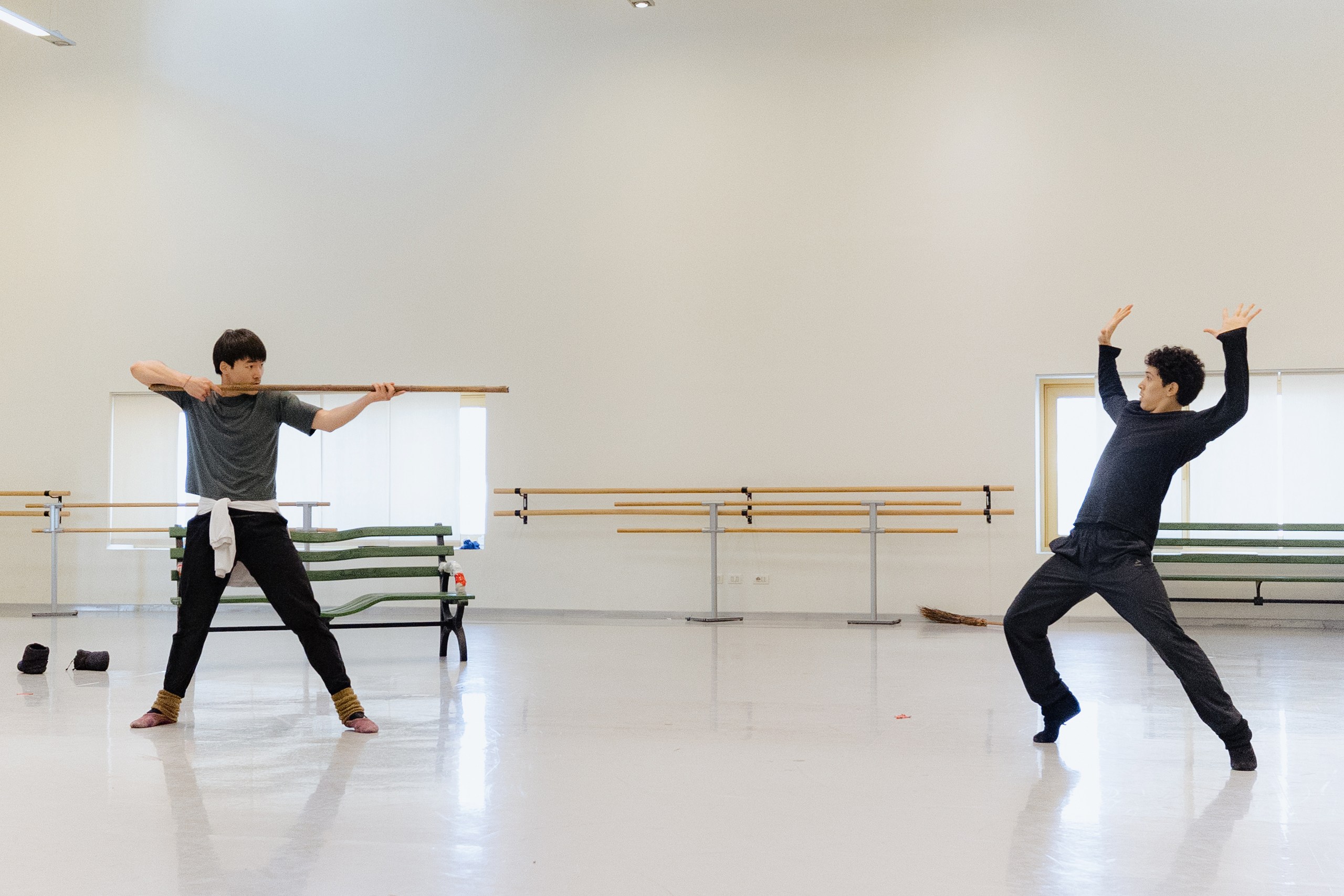
Astana Opera’s rehearsal studios are currently alive with activity from morning until late evening. The creative team, led by choreographer Kirill Radev, is honing the final details. Meanwhile, the stage crew are hard at work on stage mounting the sets, which must transform seamlessly within the space despite their imposing scale. In the costume shop, the final fittings are underway, overseen by the renowned designer Igor Chapurin, Honoured Artist of Russia.
“Productions that look back at the history of the twentieth century are always vivid and rich in imagery. It was a century that shattered the foundations of slow development and traditional thinking – a hundred years defined by massive leaps in science, technology, and human relationships. Humanity quickly adapted to new lifestyles and principles, transforming both ourselves and our inner energies. Fortunately, this era preserved friendship, human connections, and love, rather than replacing them entirely with machinery. Our characters are light in spirit; their lives revolve around discovery and constant evolution. Ultimately, love is the core: the anchor of life, actions, and perception. Our protagonists are full of life and intellectually engaging,” says costume designer Igor Chapurin. “I have created a complex synthesis within the costumes. People did not always change their appearance and self-expression through clothing as quickly as fashion itself shifted – and in that century, fashion moved ahead at full throttle. The world we have built is more sensual and restrained; it is neither archaic nor hysterical in its expression. Through the costumes, we avoid creating a barrier, allowing the audience to fall in love just as deeply – to fall in love with our characters, their ‘authenticity’, and their joie de vivre. Colour is always the dominant element in conveying a production’s emotions, but we have approached it with nuance. We subtly brighten the ascetic world surrounding our protagonists, playing freely with colour, so to speak, while strictly stripping it of any synthetic quality or harshness. This production is about life and the world, showing that the future remains recognizable because, at their core, human beings do not change. Therefore, the essential task is to truly capture the essence of the character. Deciding on the main characters is always a challenging process, and our heroine is the result of my lengthy research and contemplation. Ultimately, she has come together beautifully, embodying light, purity, and mindfulness. I believe our creative choices are right, but the audience remains the ultimate expert and judge. We trust that we will captivate them with our narrative and immerse them in this story,” Igor Chapurin concluded.
The narrative, conceived by librettist Valery Kopeikin, centres on a love capable of transcending social barriers, prejudice, and the trials of fate. He drew inspiration from the romantic cinema of the 1920s and 1930s, thus shaping the production’s genre: a romantic ballet-comedy infused with lyrical elements and Chaplin-esque humour.
Alexey Kestner’s score was composed directly during the rehearsal process. The composer sought to immerse both the dancers and future audiences in the recognizable atmosphere of the United States – an environment defined by freedom and the allure of a better life. With the score now handed over to the orchestra, the primary responsibility shifts to the production’s conductor, Arman Urazgaliyev.
“For me, New York is first and foremost a sensation of movement – movement in different directions simultaneously. While maintaining the overall unity of the score, I wanted the audience to feel as though each musical layer is rushing about its own business, entirely independent of the others. Naturally, in the context of this work, New York is evoked through endless jazz and blues allusions. It is this very stylisation that helps the listeners immerse themselves in the piece, discovering an environment they may have never experienced firsthand, but can readily imagine through cinema, music, or literature. To be honest, I did not ponder the boundary between stylisation and my own compositional voice. For me, stylisation in film, theatre, or ballet is simply the choice of a device or a palette – nothing more. It is a selection of specific conditions within which the music then exists freely. As for transitioning between the dancers’ emotional states, music serves as a flawless language. It appeals directly to the emotional sphere, without stumbling over explanations or clarifications, and requiring no translation. I hope these contrasting thematic episodes help the dancers instantly internalise the characters’ emotions as their own,” explained Alexey Kestner.
Renowned set designers Anastasia Kapustina and Natalia Shakhmatova are responsible for the production’s stage design. As the love story concludes with a happy ending, the ballet is staged in light, vibrant, life-affirming tones and designed in a contemporary style.
“In this work, the primary objective was to showcase the interaction and contrast between different worlds: that of the author and the piece itself, as well as those of Charlie and Iren,” Anastasia Kapustina notes. “The central setting for the entire performance is New York’s Central Park, which serves as the starting point for Charlie’s story. Woven into this is the urban world of New York City – Iren’s world. It was essential for us to create a vivid, living imagery. We engaged deeply with the context of the period and the history of the location, which is why all the three-dimensional scenic elements stylistically evoke the image of 1960s and 1970s New York. Benches, street lamps, railings, and interior details all serve as symbols of the era in which our characters live and fall in love. In stark contrast to these physical items stands the main stage space, constructed using flat, applied forms in a monochromatic colour palette. The realistic props, reflecting the context of the era, are directly juxtaposed against the sparse, minimalist space of the stage.
The narrative medium of the story is ballet, which is why it was crucial for us to preserve the flexibility of the stage space and offer the dancers ample room for movement. During the design and production process, we developed structures that, regardless of their size, can be quickly moved, reconfigured, and refocused in space. All changes take place openly, right before the audience’s eyes, evoking the shifting of sets on a film studio floor. This mobility extends to the props as well: street lamps, scooters, a car – virtually all elements of the stage space interact with the performers, allowing us to create a living, dynamic picture,” said Anastasia Kapustina.
Principals and company dancers of the Astana Opera Ballet perform the roles in this production. The cheerful and pure-hearted Charlie will be portrayed by Doskhan Zaidin, and Iren will be performed by Shugyla Adepkhan. Alexandr Kornilov will take the stage as the mysterious Postman, while Olzhas Tarlanov will present the role of Paul. Darya Mitrofanova, Aliya Amirkhan, Amir Khvan, and others are also featured in the production.
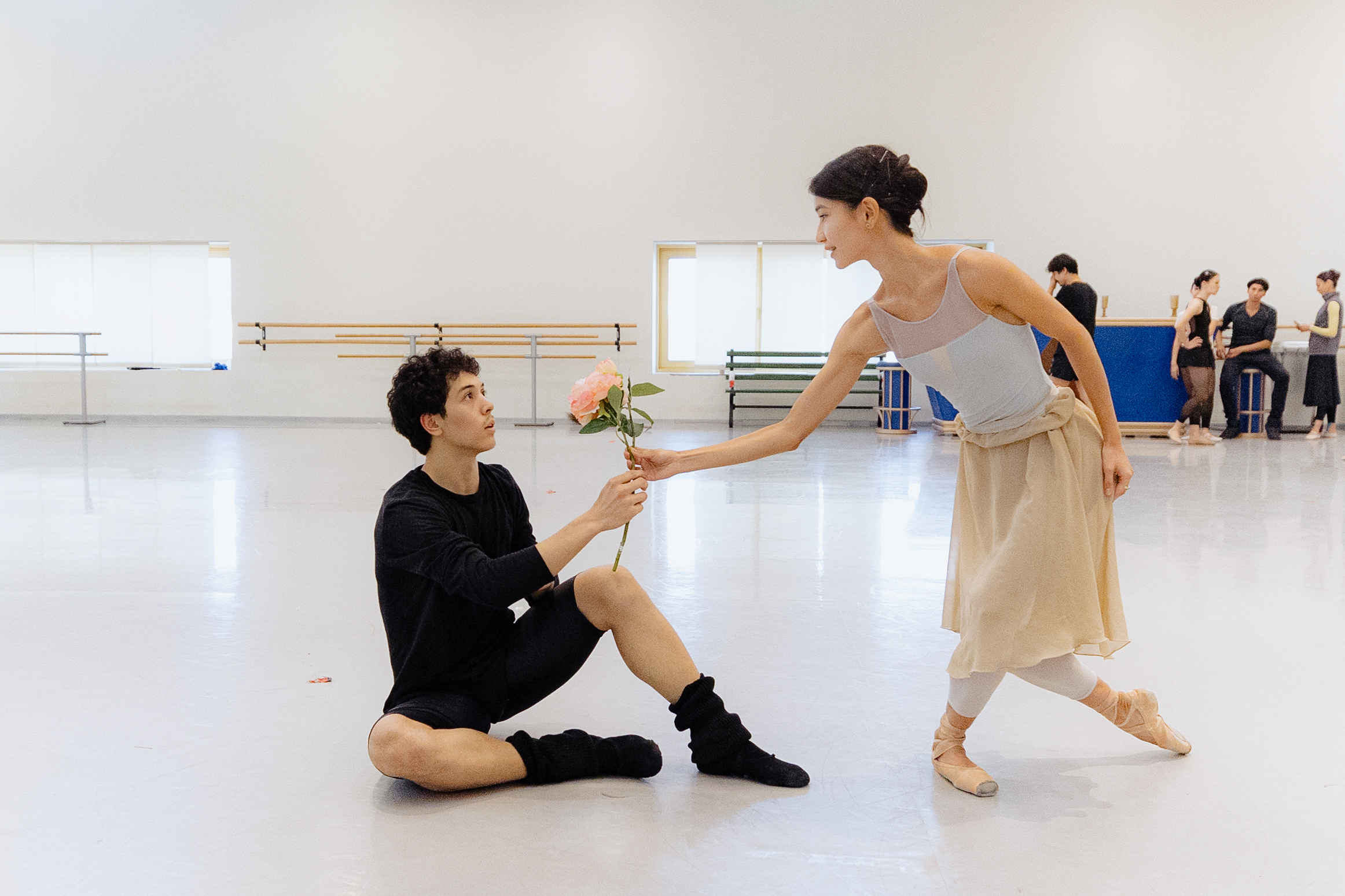
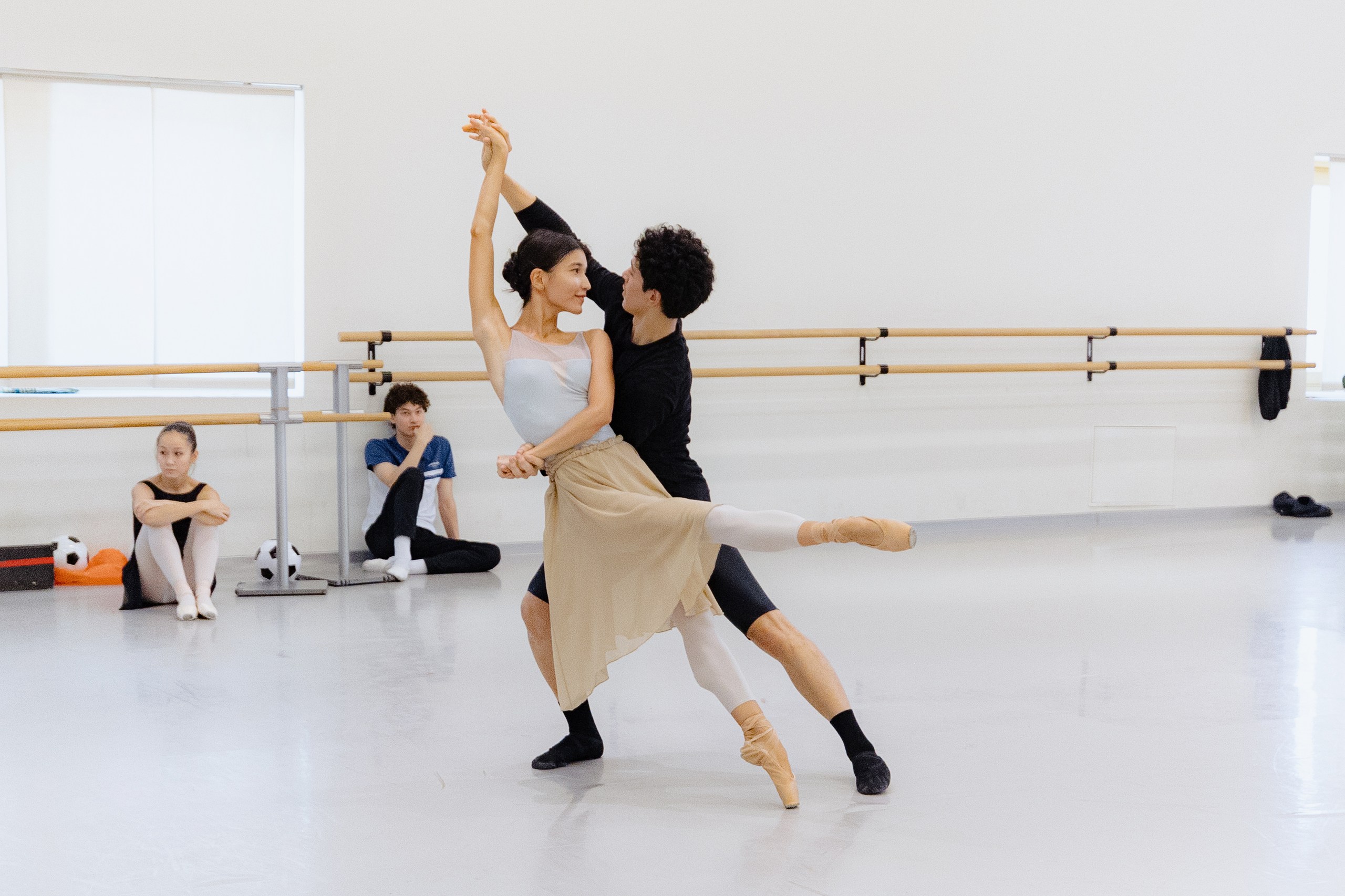
“Partnership on stage begins, first and foremost, with mutual trust and understanding,” shares Doskhan Zaidin, who performs the role of Charlie. “In ballet, it is not enough to simply execute the technique correctly – it is essential to feel your partner’s movement and work together seamlessly. To convey emotions sincerely, I strive to understand my character’s inner world. I express Charlie’s feelings for Iren not just through choreography, but with a glance, body plastique, and the meaning behind every movement. If the audience can truly connect with the characters’ emotions through our dance, it will be a significant achievement for me.”
The dancer admits that the greatest challenge lies in showcasing the unique characteristics of the new style while preserving established classical ballet technique. In neoclassical choreography, the purity and precision of a movement are just as important as its freedom, fluidity, and musicality. “To convey the style of the 1970s, I strived to capture the atmosphere of that period, along with its specific nuances of movement, and combine them with my own performing style,” Zaidin adds. “To reveal the character of every movement and present it naturally on stage requires extensive preparation and tremendous professional skill.”
His partner Shugyla Adepkhan, who performs the role of Iren, is confident that in ballet – an art form without words – the primary connection between performers relies on a glance, a touch, and unconditional trust. “For the audience to believe in Charlie and Iren’s love, it is essential to show right from the start that Iren sees past social status, a torn coat, or a street wanderer’s background, and looks straight into the human soul,” the principal dancer reflects. “My partner and I build our onstage chemistry through contrasts. At first, there is a gentle caution and shyness, but as soon as the duet begins, these barriers dissolve. We sincerely live through this story during rehearsals, honing our facial expressions and every non-verbal cue, so that on stage the audience sees not a ‘rich girl and a beggar’, but two reunited halves of a single whole.”
According to Adepkhan, building a character portrayal from scratch brings both immense excitement and a tremendous responsibility. “When you are working on classical ballets, there is always an established canon you can rely on, archives you can reference. Here, you are facing a blank canvas,” the ballerina explains. “On one hand, this grants absolute creative freedom: you are the one who defines Iren’s character, habits, temperament, and mannerisms. The role requires deep immersion in the plot, hours of discussion with the choreographer, and a search for that very truth the audience will believe in.”
Balancing comedy and drama is a delicate art. Comedy in ballet demands absolute precision: overacting even slightly diminishes the power of the drama, while leaning too heavily into the suffering causes the lightness to vanish.
“We strive to maintain this balance through absolute authenticity: the comedy here is born out of situations and the collision of two completely different worlds, rather than affectation,” the dancers note. “Abrupt emotional transitions are certainly the most demanding part. For instance, you can have a comedic commotion on stage one moment, and suddenly the plot takes a sharp turn, requiring deep dramatic expression. Switching both your physical state and your emotions within a matter of seconds, without losing your believability for the audience, is the greatest yet most fascinating challenge of this ballet.”
The production is the culmination of the seamless collaboration of the Mosaica Del Arte creative team. The premiere will be held with the support of the Ministry of Culture and Information of Kazakhstan. Judging by the intensity of the preparations, Charlie and Iren promises to be a landmark event in the ballet world.


«Cultural Legacy Fund»
FOUNDATION FOR CULTURE AND CREATIVE INDUSTRIES

Contact information
For more information, to contact us or to apply for participation in the programs, you can use the following contacts:
Public Fund for the Support of Culture and Creative Industry «Cultural Legacy Fund».
Address: Astana, Yesil District, Mangilik El Avenue, Building 55/22, Block C 4.3., Office 246.
E-mail: info@culturallegacyfund.kz, Impresario@culturallegacyfund.kz
Stay connected
Follow our website and social media to stay up to date with new programs, opportunities, and cultural initiatives from the Cultural Legacy Fund.
Developer of LLP "TORUS.KZ"
© 2025 All rights reserved