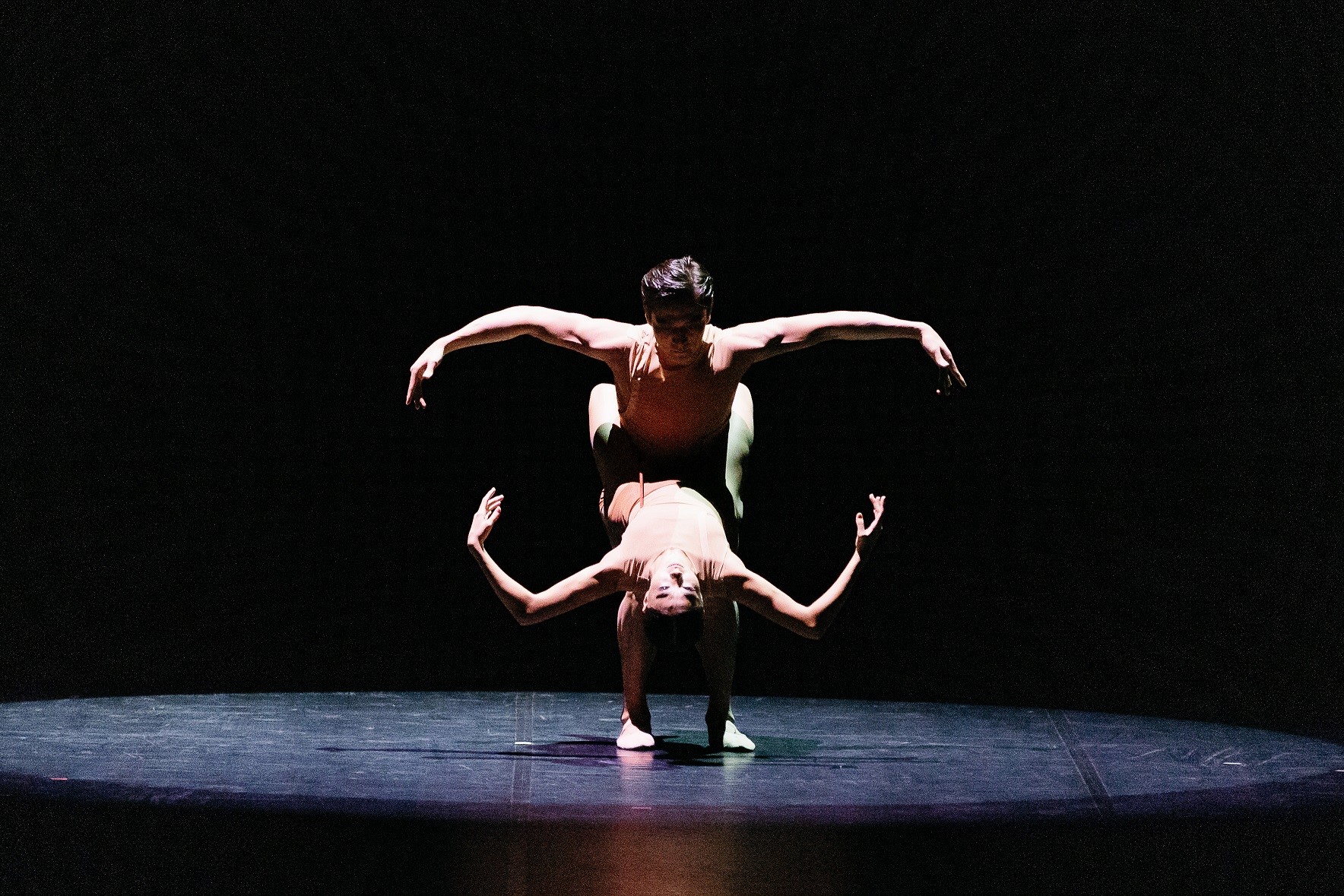

On 25 March, Mangiliktin Tort Syry (Four Truths – One Eternity) successfully premiered at the Astana Opera with the support of the Ministry of Culture and Information of Kazakhstan. The production was staged by Kazakh choreographer and ballet company soloist Sultanbek Gumar, set to the score by Khamit Shangaliyev. The performance was met with a rapturous reception, praised for its philosophical weight and nuanced choreography, with its effortless harmony between melody, movement, and meaning.
Renowned Kazakh ballet critics and teachers spotted Sultanbek Gumar’s distinct choreographic talent during his years at the Kazakh National Academy of Choreography in Astana. They foresaw that the gifted young artist would one day create his own signature productions. These expectations were well-founded: as a member of the Astana Opera Ballet, Gumar has proved himself not only as a distinguished soloist but also as a promising choreographer. His quest to forge a new choreographic language within Kazakh classical ballet has been strongly championed by the company’s artistic director, Altynai Asylmuratova.
Gumar has previously staged several national and contemporary pieces at the Astana Opera, but Mangiliktin Tort Syry marks his first one-act production. Centred on the theme of love, the ballet portrays this emotion as a precious quality of the human soul, suggesting that life itself becomes untenable where love is absent. To Gumar, love is sustained only through mutual respect and understanding – a concept brought to life by four couples hand-picked by the choreographer from the Astana Opera Ballet.
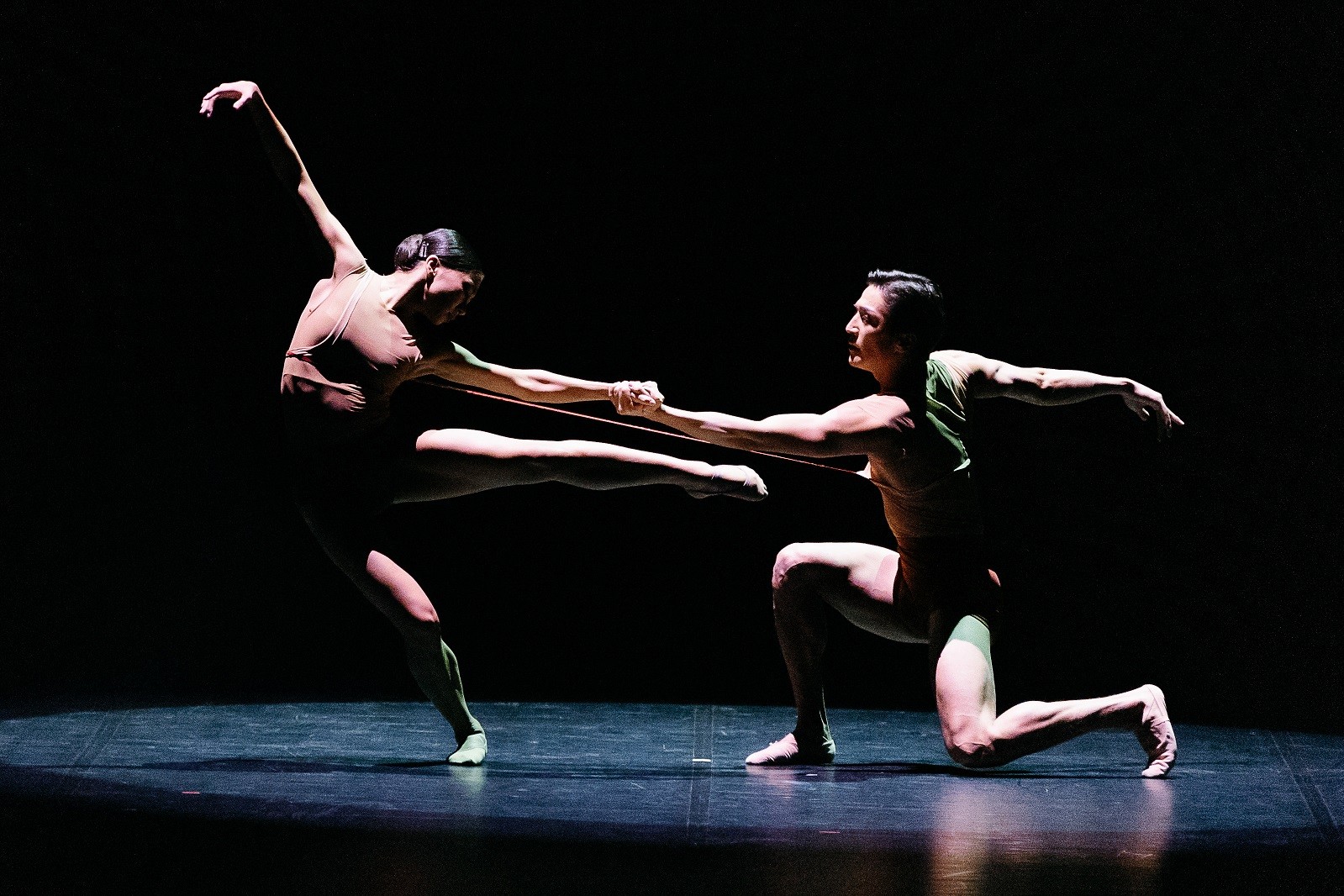
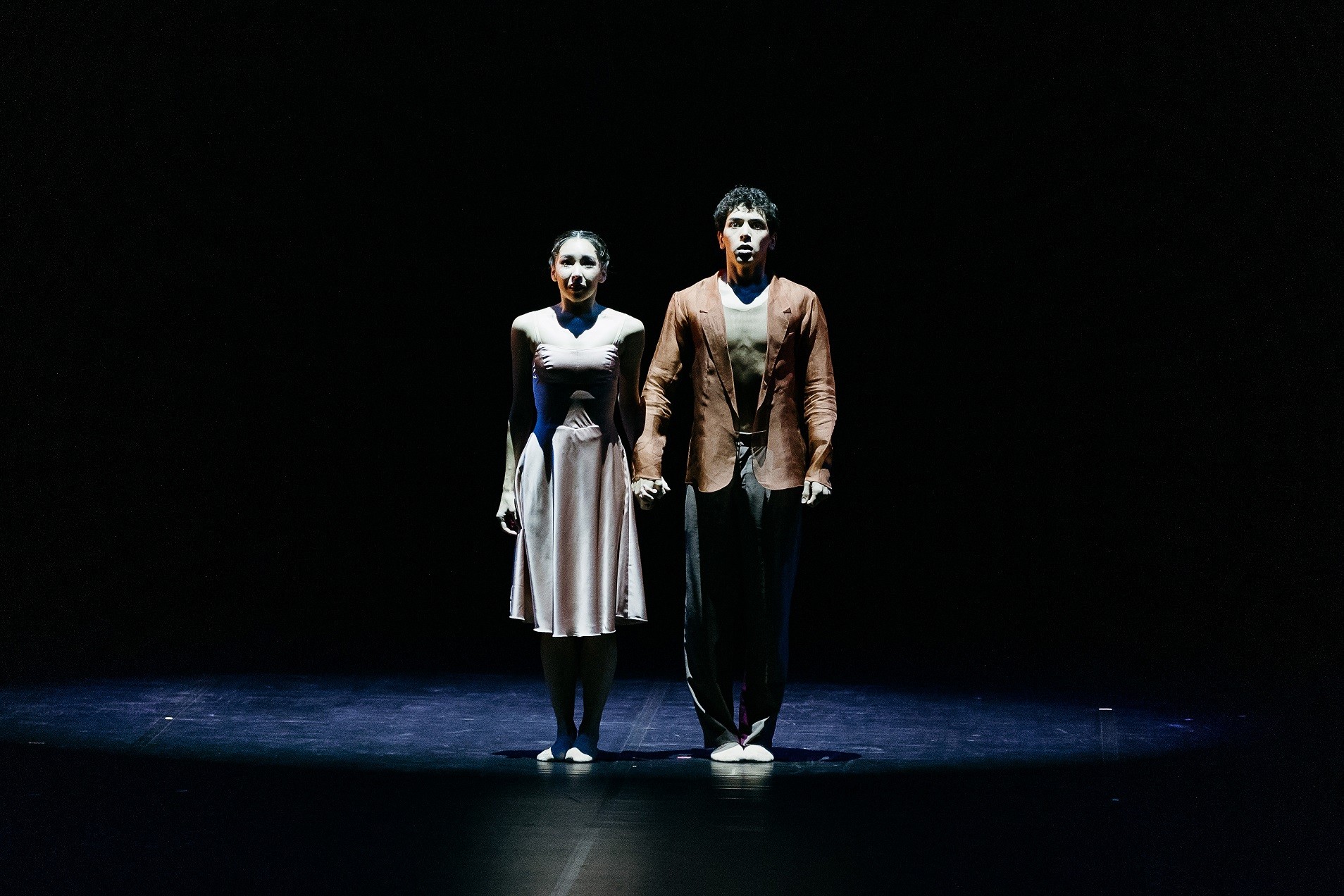
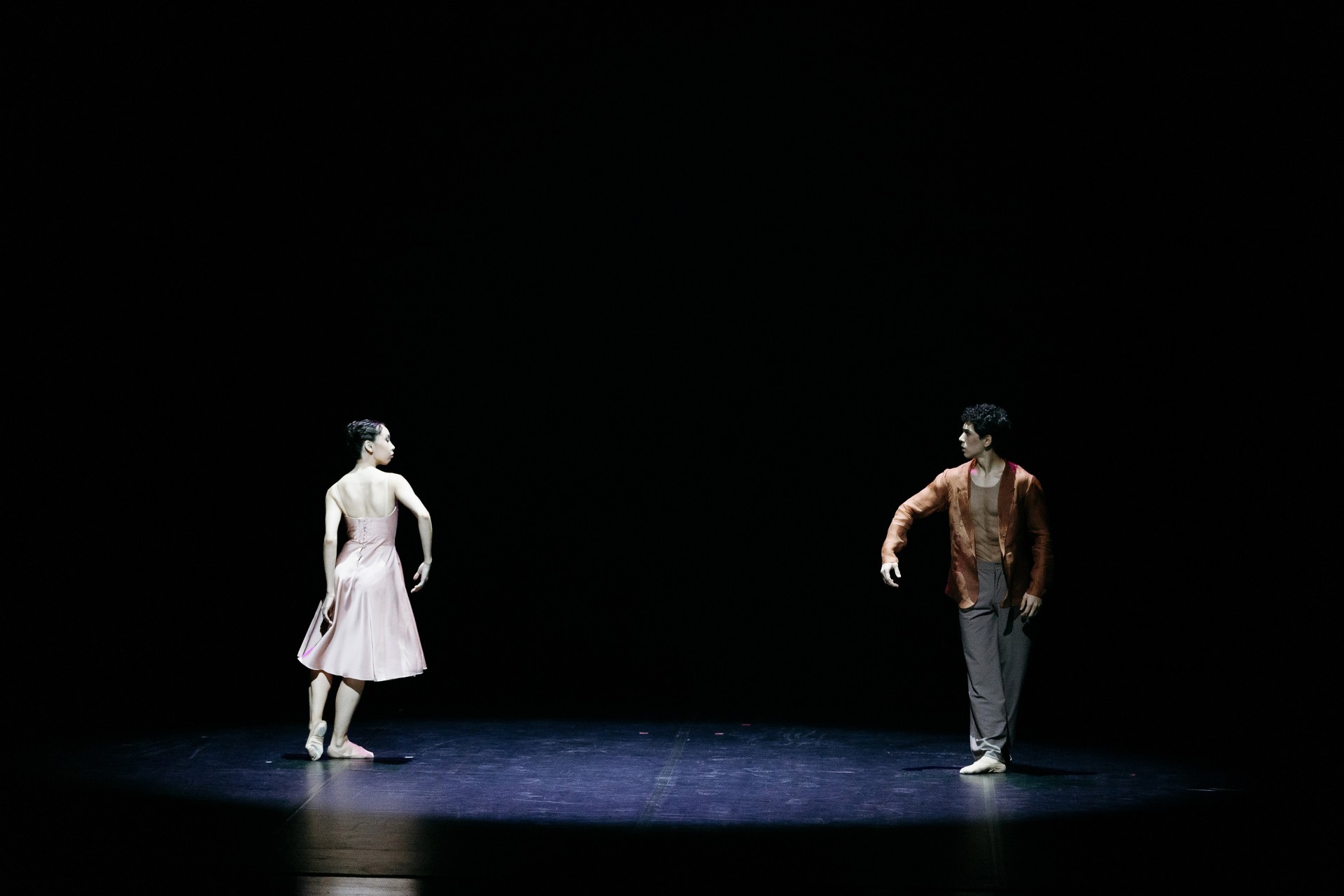
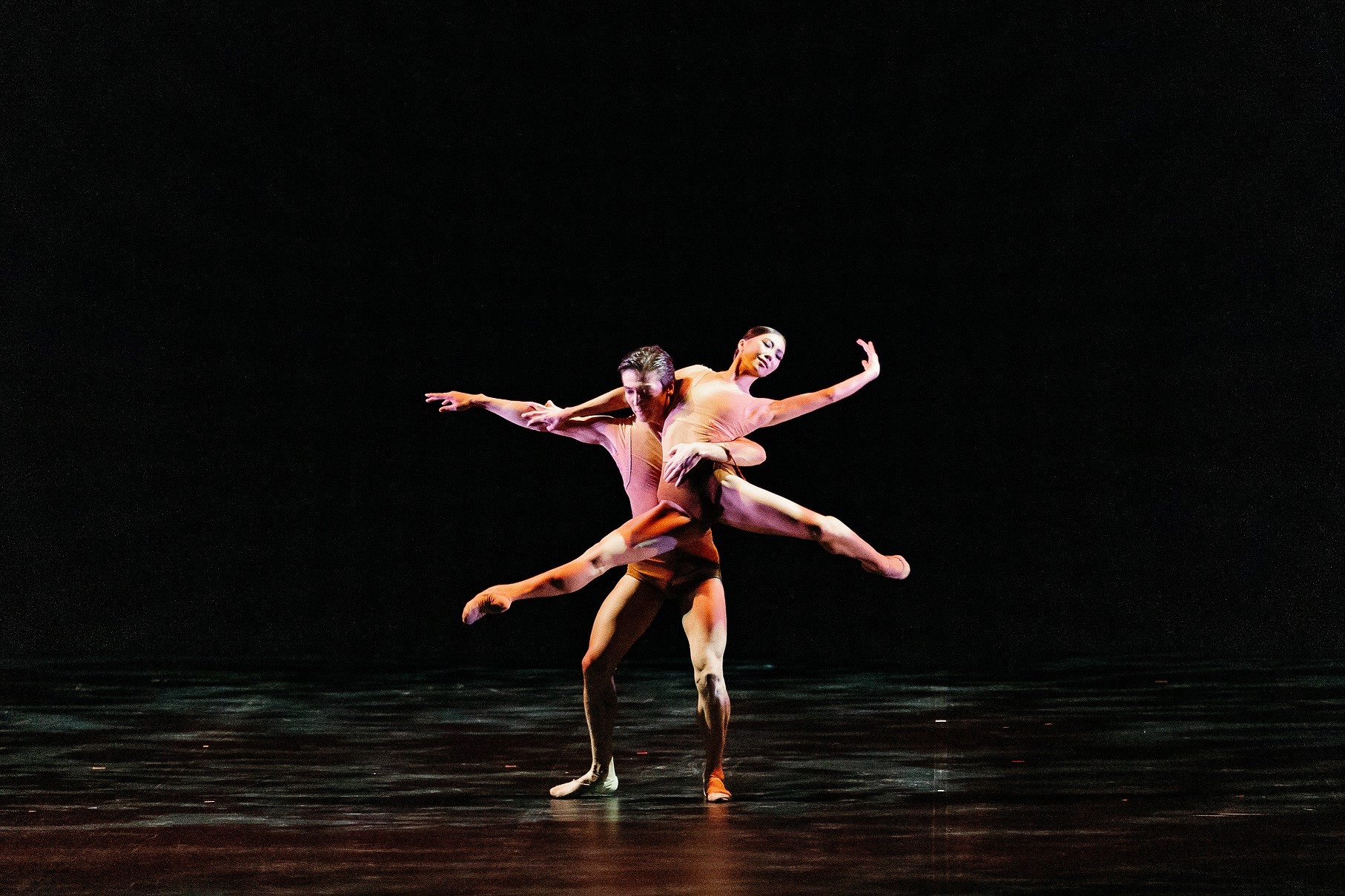
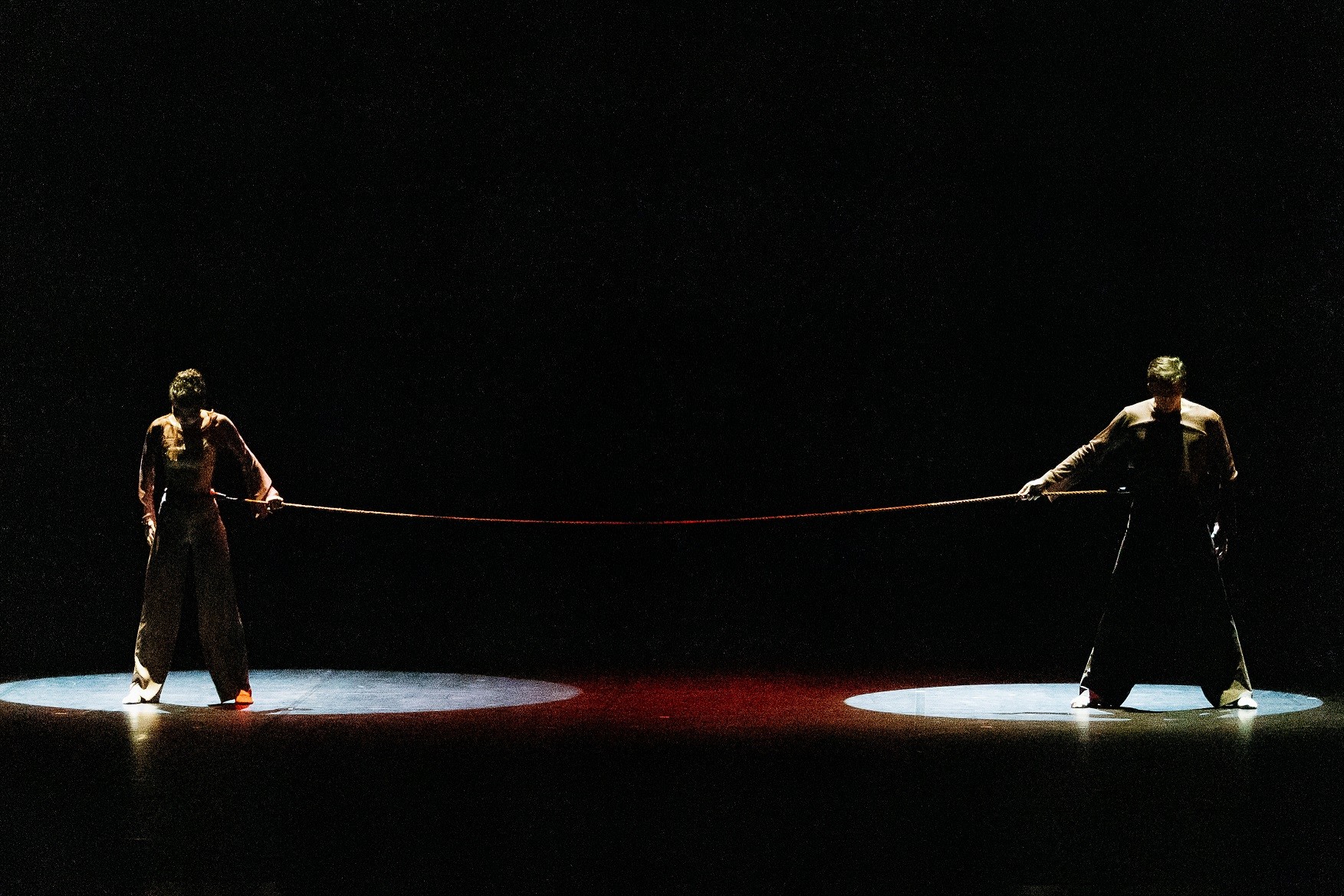
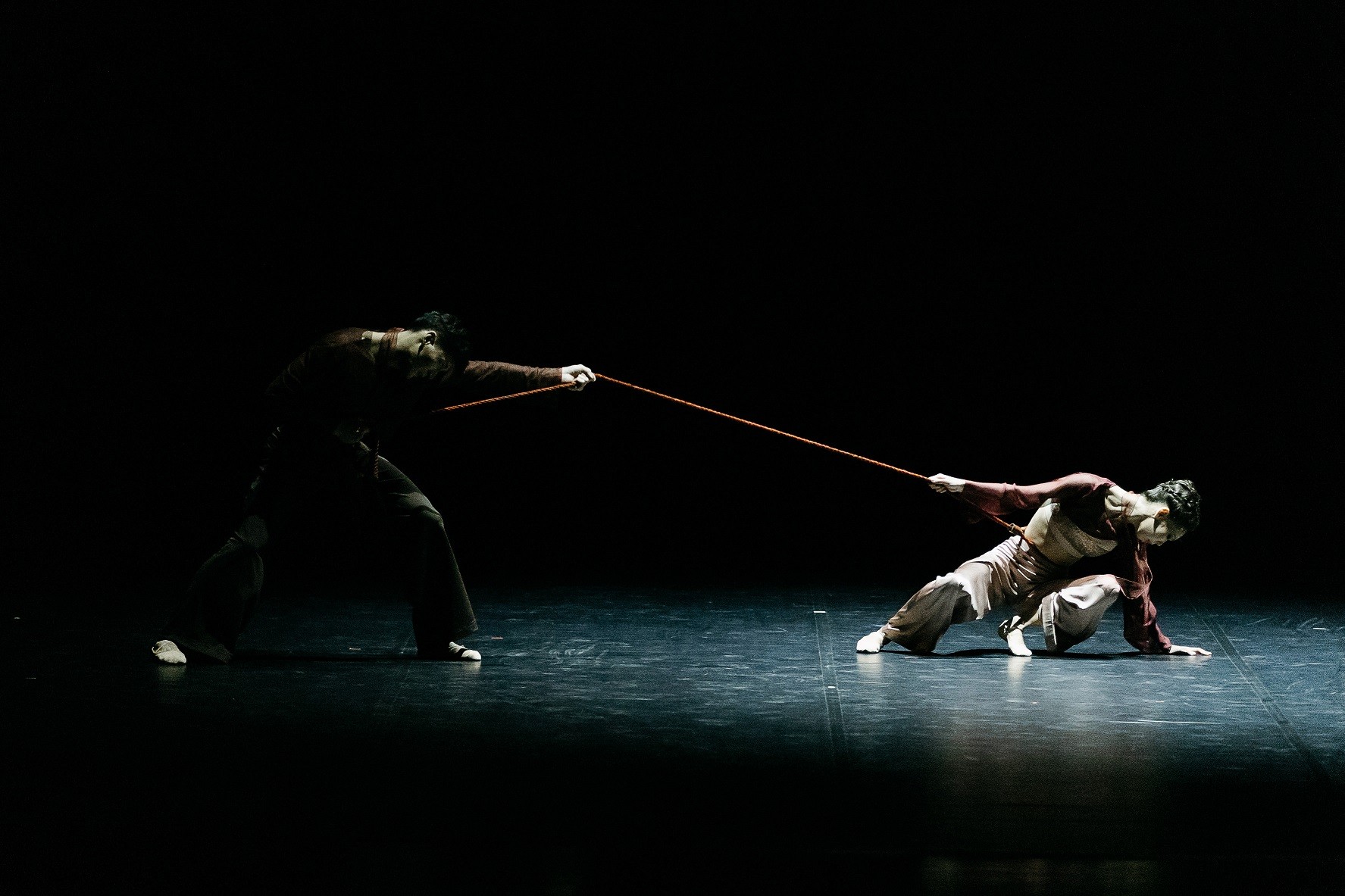
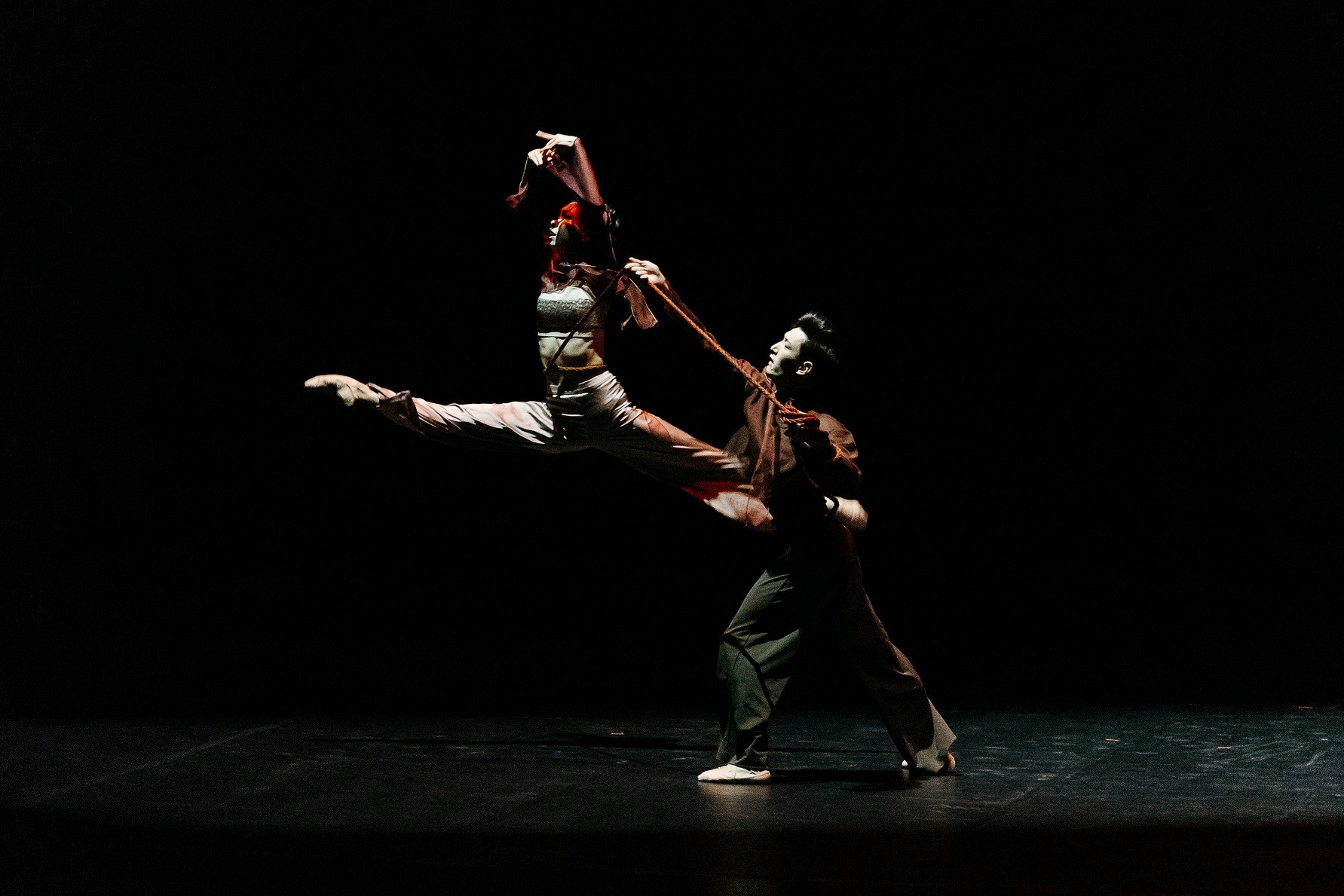
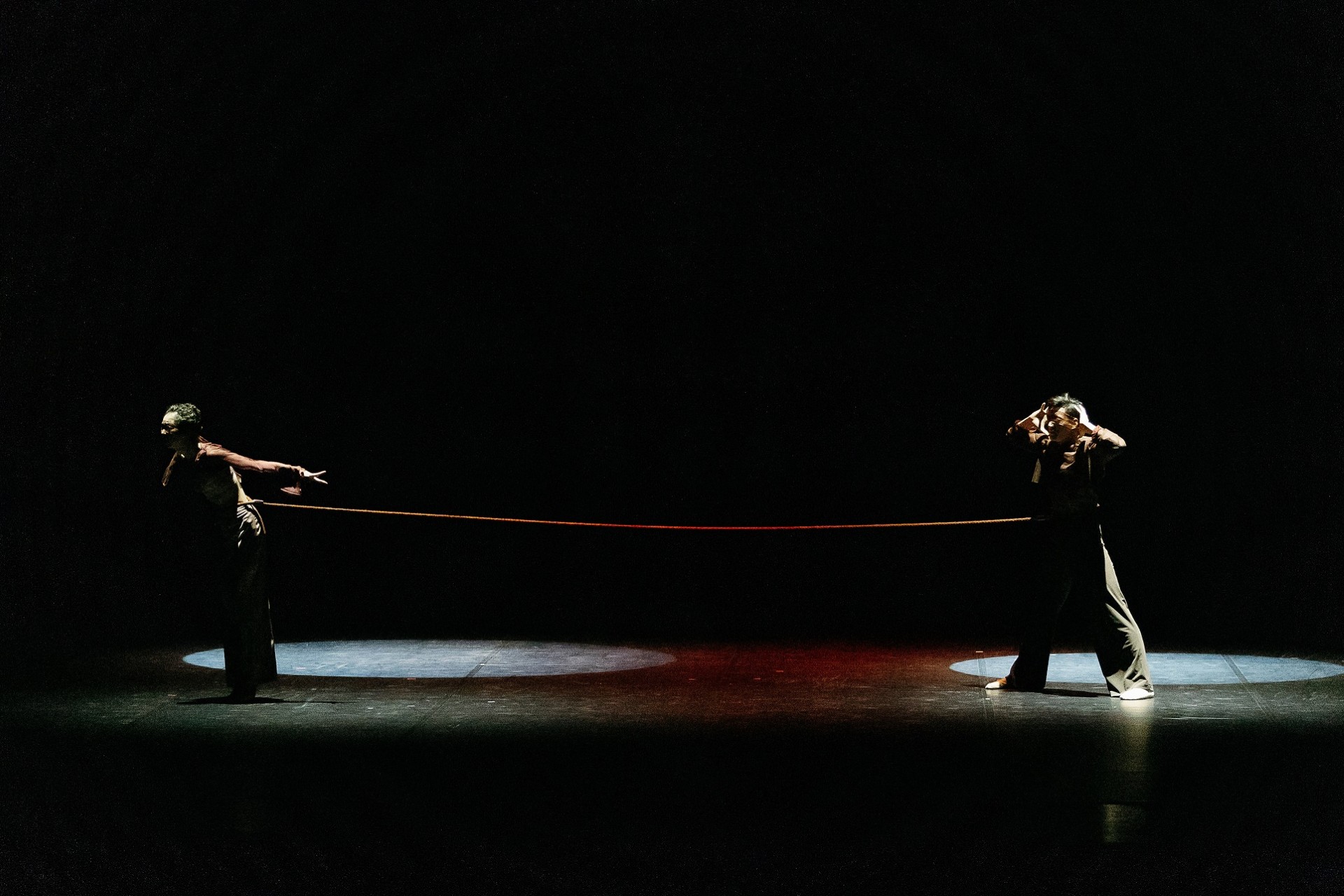
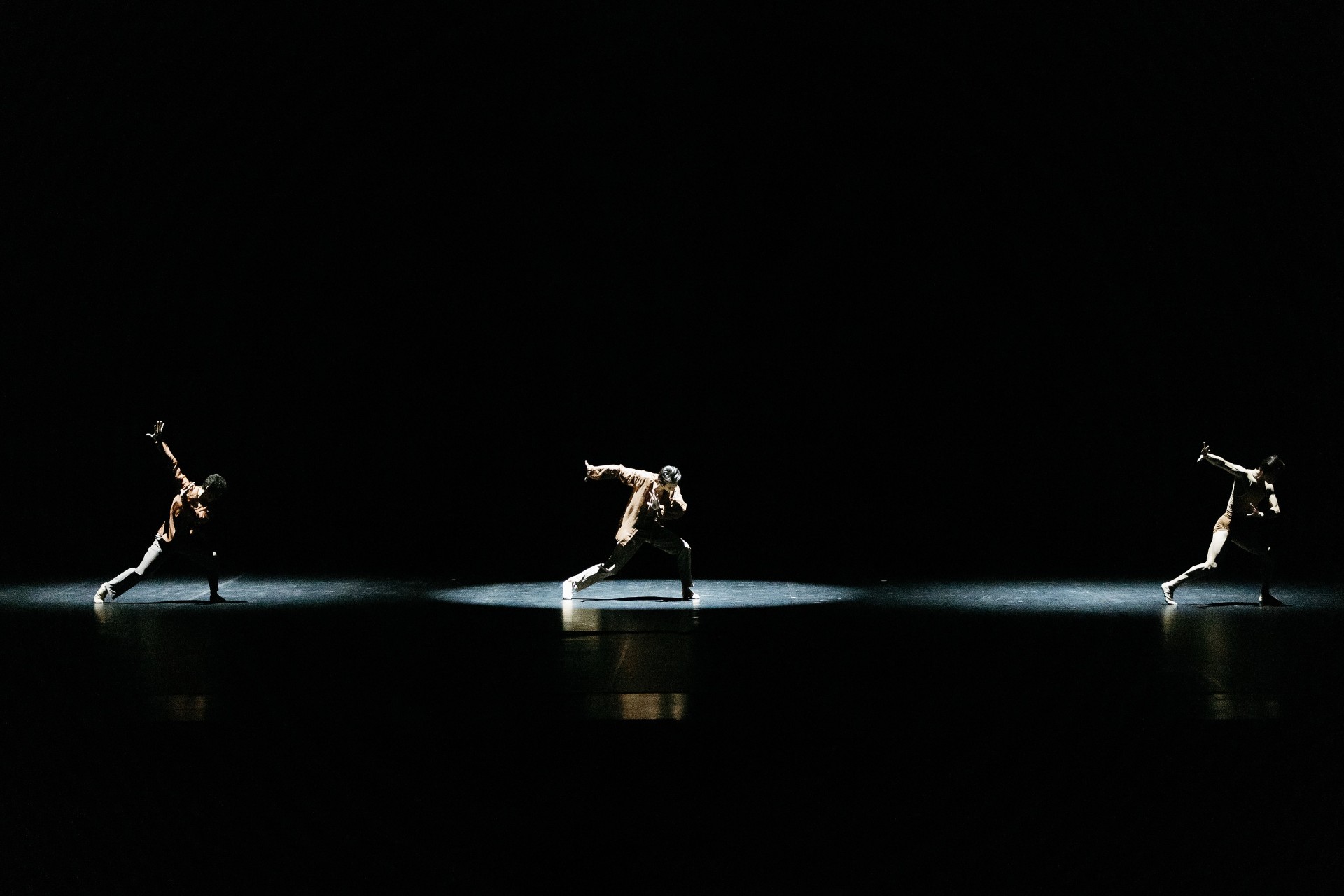
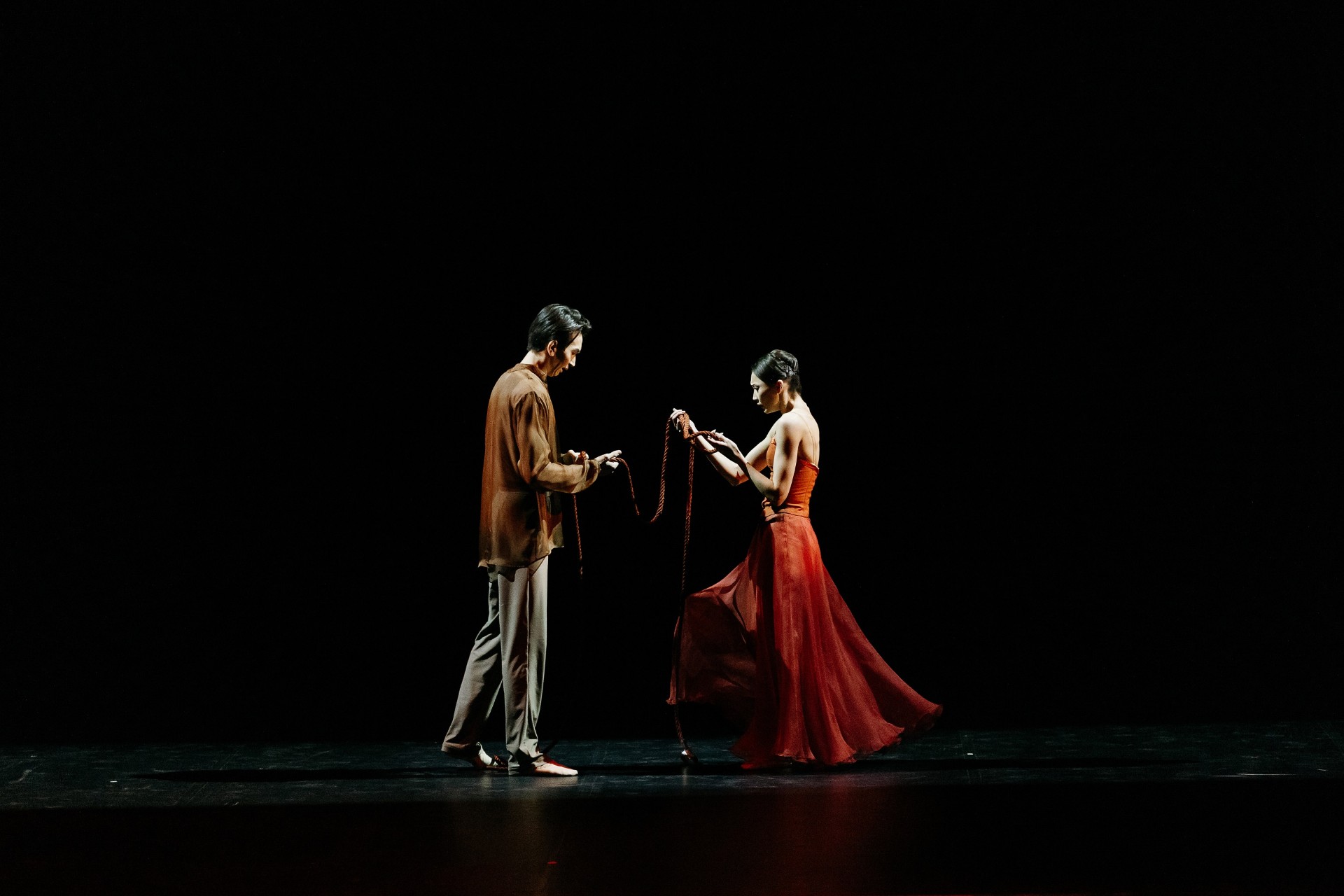
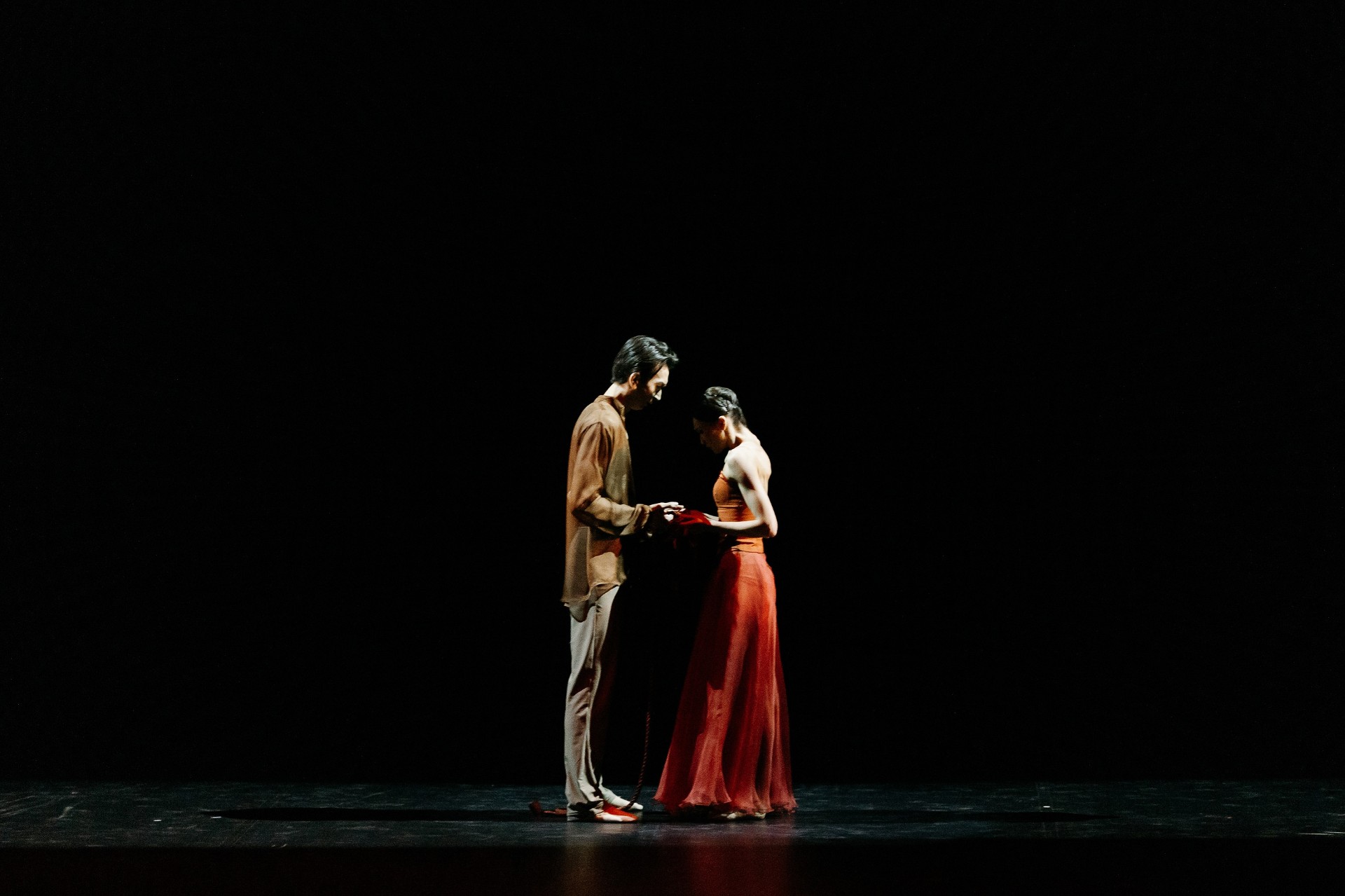
The opening sequence, Infatuation, drew the audience into the most pure and tender moments of romance. A silent dialogue between dancers Kamilla Ormanova and Doskhan Zaidin, who held a single flower, captured the fragile thrill of first love. In Illusion of Love/Passion, a delicate thread served as the central motif; it did not merely connect the dancers, but underscored the invisible pull between them. The lovers’ mutual yearning was masterfully conveyed through the fluid physicality of Sofiya Adilkhanova and Islam Kaipbay. During the Struggle sequence, performed by Limara Aidarova and Galymzhan Nurmukhamet, the ‘cries of their souls’ were visible through the characters’ physical conflict. Expressive contemporary movements and the use of a heavy rope as a scenic element fully exposed their inner drama. Finally, the duet by Honoured Worker of Kazakhstan Aigerim Beketayeva and Dias Kurmangazy in Acceptance depicted the meeting of two minds at the height of self-awareness, where love transcends restriction to become freedom. The dancers’ weightless movements represented the triumph of liberation and the ultimate acceptance of oneself and the other. The ballet reaches its crescendo as all four couples unite on stage, embodying the triumph of Eternal Love.
Music was undoubtedly the primary inspiration for the choreographer. Composed by Khamit Shangaliyev, the score – infused with national motifs in a contemporary classical arrangement – fused seamlessly with Sultanbek Gumar’s signature style. The production was brought to life by costume designer Dariga Taishykova and lighting designer Mikhail Yepanchin. The lighting design lent a philosophical depth to every movement, drawing the audience into the characters’ inner worlds; beams of light contoured the dancers’ physicality, precisely defining the dramatic tension within the space. Meanwhile, the evolving palette of the costumes in each duet symbolised the shifting emotions of the lovers, with the light, dynamic fabrics enhancing the ethereal quality of the choreography.
Shynar Bekbayeva, a local resident, moved to deep reflection by the performance, noted that the production brings a fresh energy to Kazakh ballet.
“I have followed Sultanbek Gumar’s work for several years and have seen a number of his pieces at the Astana Opera. Today’s performance has only deepened my admiration for his talent. The choreographer left us alone with the characters’ inner worlds. The thread connecting the couple seemed to represent love at one moment, a restriction the next, and then an unbreakable hope. I am certain this ballet prompted everyone in the audience to reflect, encouraging us to see this emotion and our own life values in a completely different light,” Ms Bekbayeva shared.
Following the premiere, the choreographer’s social media was flooded with messages from the audience. “I wanted to say that these stages of love are so true to life; a real relationship is impossible without them. These feelings and hardships – they represent an entire lifetime,” wrote a spectator named Raushan. “It was as if I saw my own life on stage – my own struggles, worries, and the vulnerabilities my husband and I have shared. The dancers masterfully conveyed the entire emotional spectrum, from joyful highlights to heart-wrenching moments; it was both moving and beautiful. The portrayal of the lovers’ relationship was exactly as it is in reality. I believe the choreographer’s vision can only truly be understood by those who have loved, suffered, and lived through these stages themselves. During the performance, I was moved to tears. Feeling the philosophical depth of the ballet with my whole being, I found myself wondering: ‘Could I ever let go of that red thread from the heart and turn away from love?’ It is a complete philosophy of life – the wisdom and the inevitable laws of love’s journey, as well as a great ordeal that tests one’s feelings and the strength of one’s devotion. I am immensely grateful to Sultanbek Gumar and all the dancers for this invaluable art and their immeasurable hard work,” Raushan concluded.
On the same day, residents and guests of the capital were also treated to the Nomad Ballet programme. The evening featured several of Sultanbek Gumar’s other national and contemporary works, including Ruh, Toi Bastar, Aralym, and Ansau set to music by the ethno-folk ensemble HasSak, alongside Alem to a score by Khamit Shangaliyev. The performance was further distinguished by a series of striking debuts: Zhanserik Akhmetov appeared in Gumar’s Mankurt (set to Aktoty Raimkulova’s music, arranged by the ethno-folk ensemble Turan), while Doskhan Zaidin debuted in Qily Zaman. The latter was originally choreographed by Patrick de Bana specifically for Gumar in 2022 to music by the same ensemble. Additionally, Alina Zyryanova marked her debut in the piece Kemel Adam.
The evening also included performances by the ethno-folk ensemble HasSak. The ensemble provided accompaniment for several ballet sequences and performed their own compositions, such as HasSaknama and Turan Zholbarysy. The Astana Opera Symphony Orchestra and Chorus were conducted by Maestro Ruslan Baimurzin, a recipient of the Order of Qurmet. Cries of “Bravo!” and sustained applause from across the auditorium marked the audience’s appreciation for both the dancers and the production team. This evening has further solidified Astana Opera’s standing within national ballet and is set to remain a notable highlight for those in attendance.