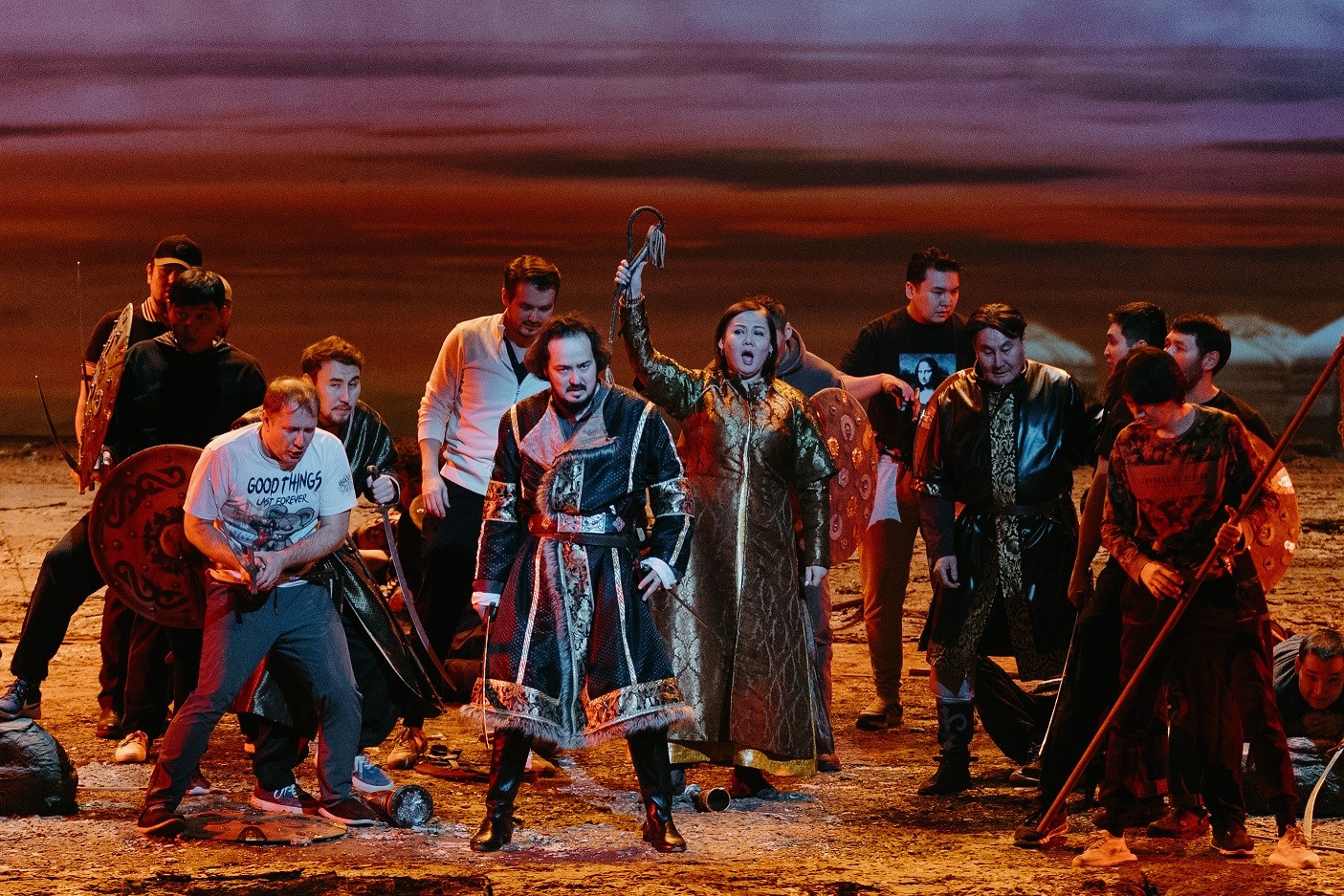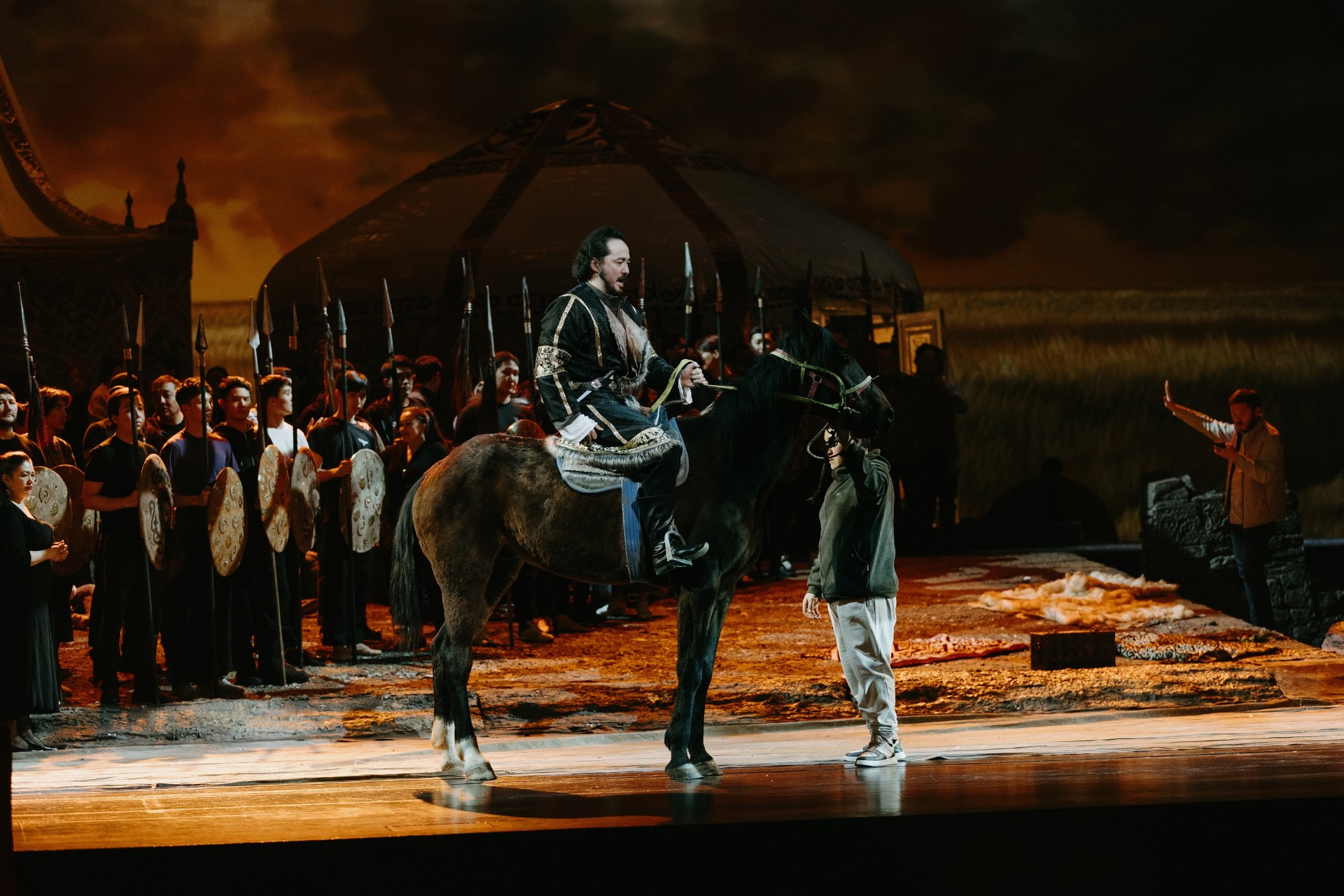

There are just weeks to go until the world premiere of the opera Appaq, the Qypshaq Daughter. While the public sees the posters, invisible work is well underway behind the scenes. A journey into the opera house’s workshops reveals how a new national opera comes to life from sketches, metal, and fabric. This is an entirely original production, with music composed specifically for the Astana Opera by contemporary Kazakh composers Serikzhan and Alibi Abdinurov.
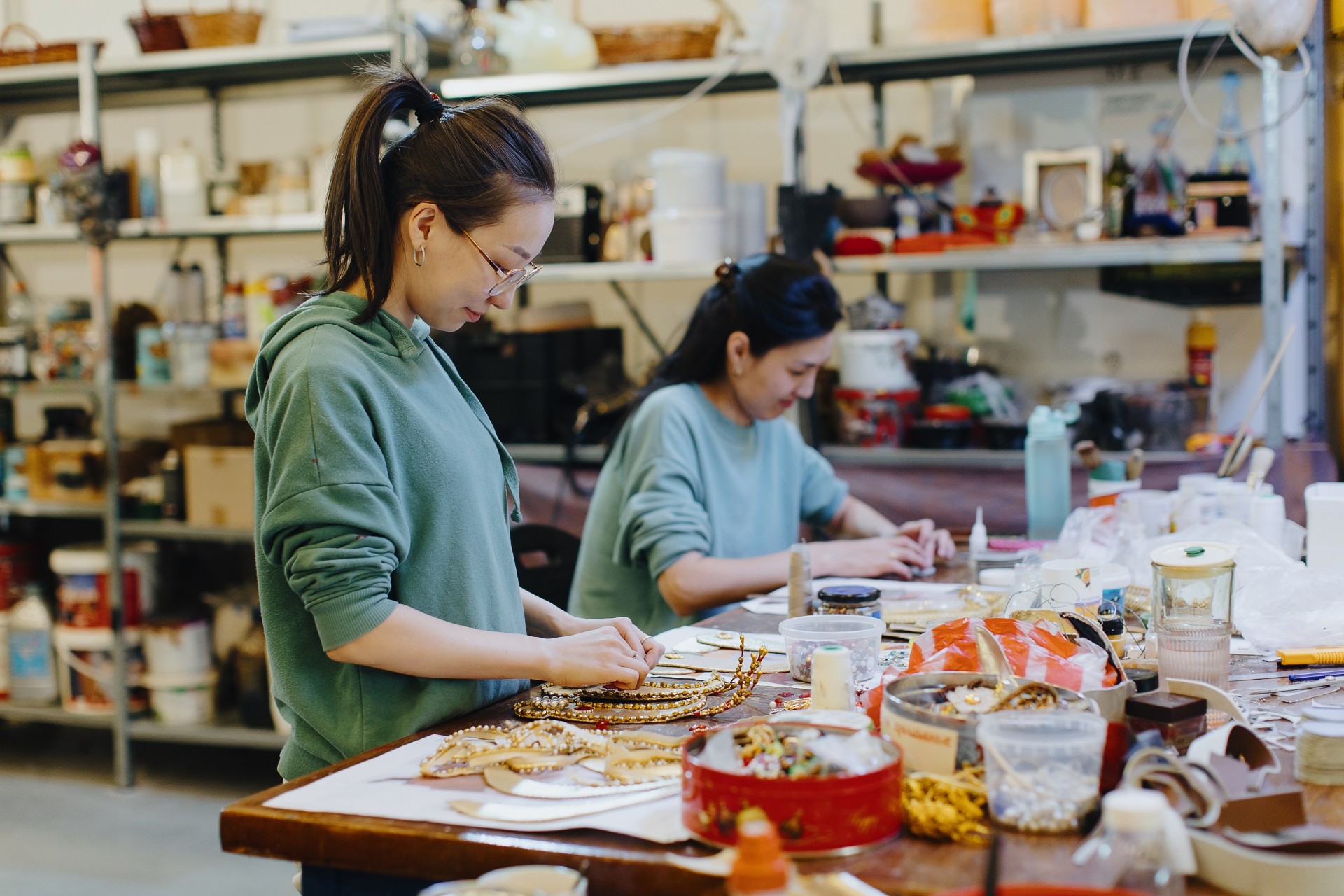
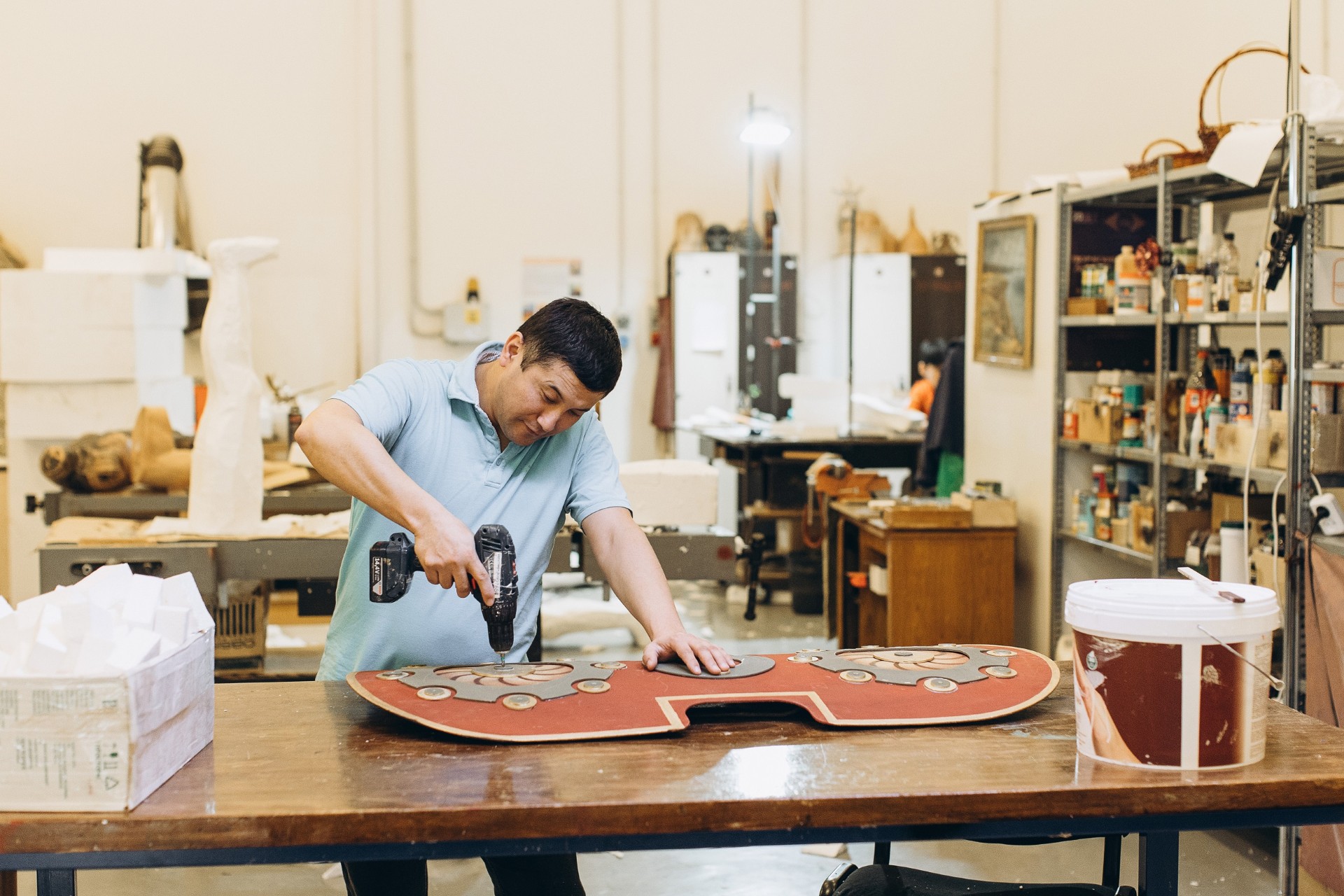
The props workshop is thick with the scent of glue and paint. Propmaker Azamat Kizirov showcases the arsenal soon to appear on stage. “We are currently preparing for Appaq and have just finished these shields,” he explains, leading a tour of the space. “There are 40 large ones and a further 24 smaller, round versions.”
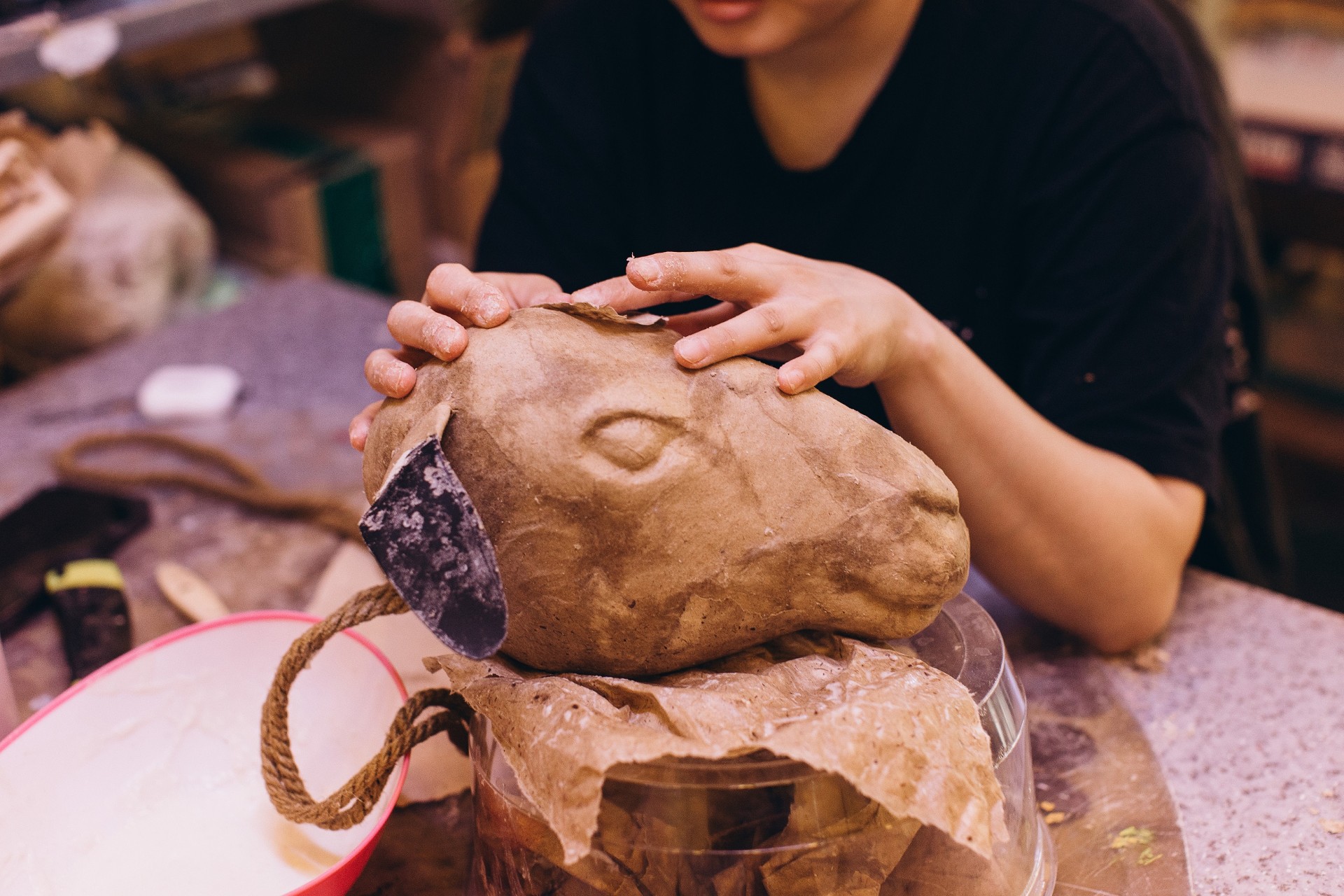
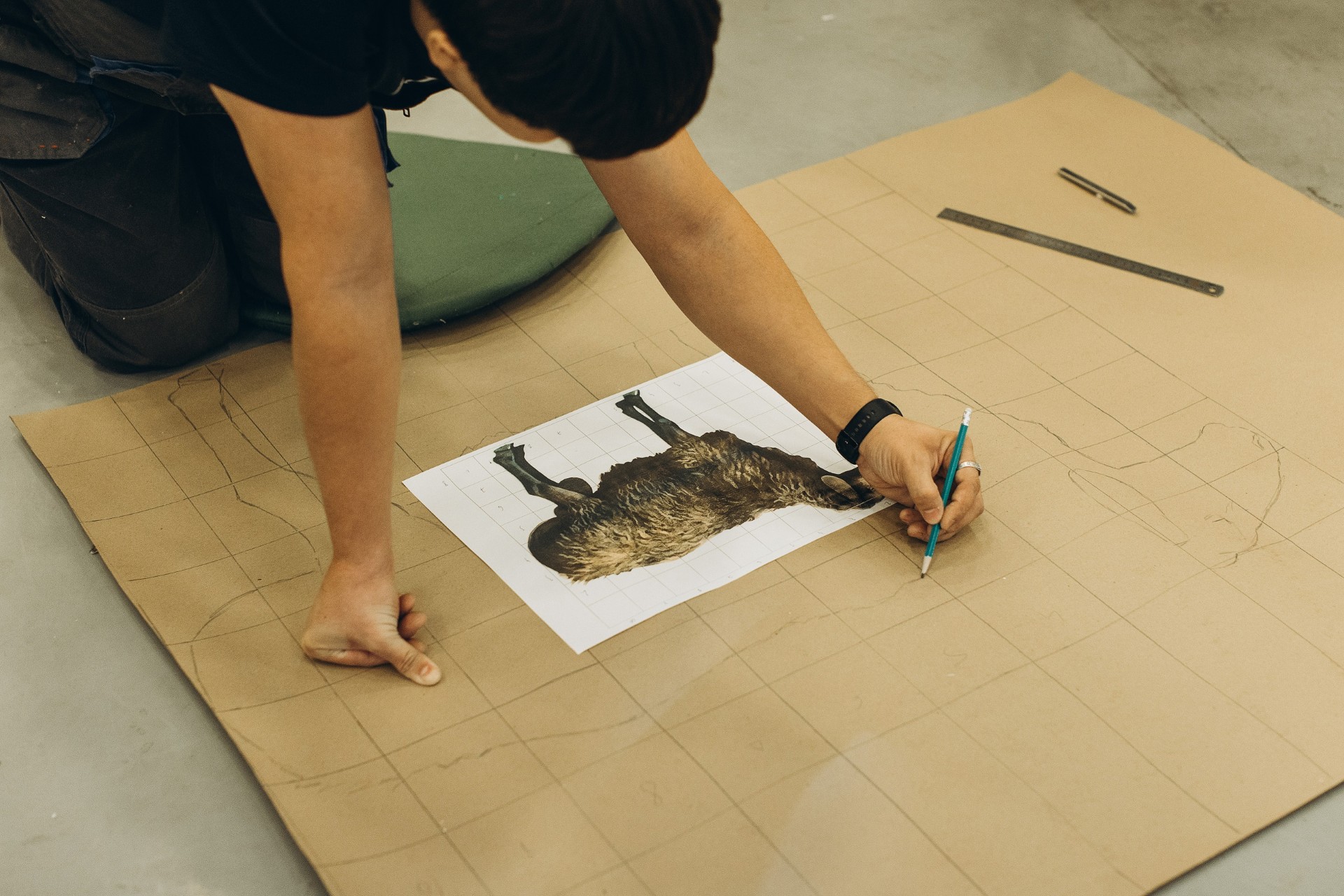
In the corner stands a prop sheep, indistinguishable from the real thing. It features a natural fleece over a frame of dense plywood. The legs were carved individually before being upholstered, using a variety of materials including polystyrene foam.
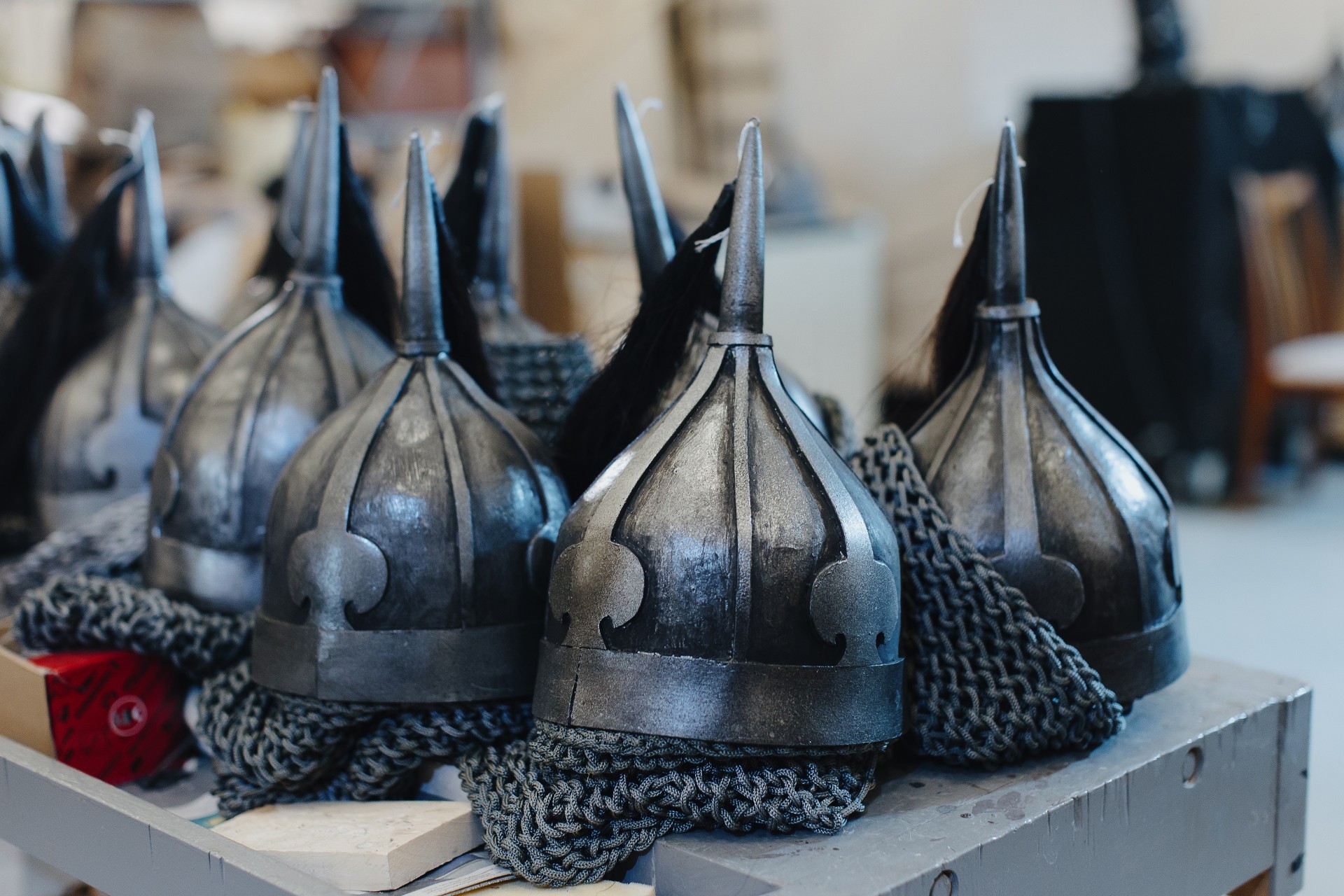
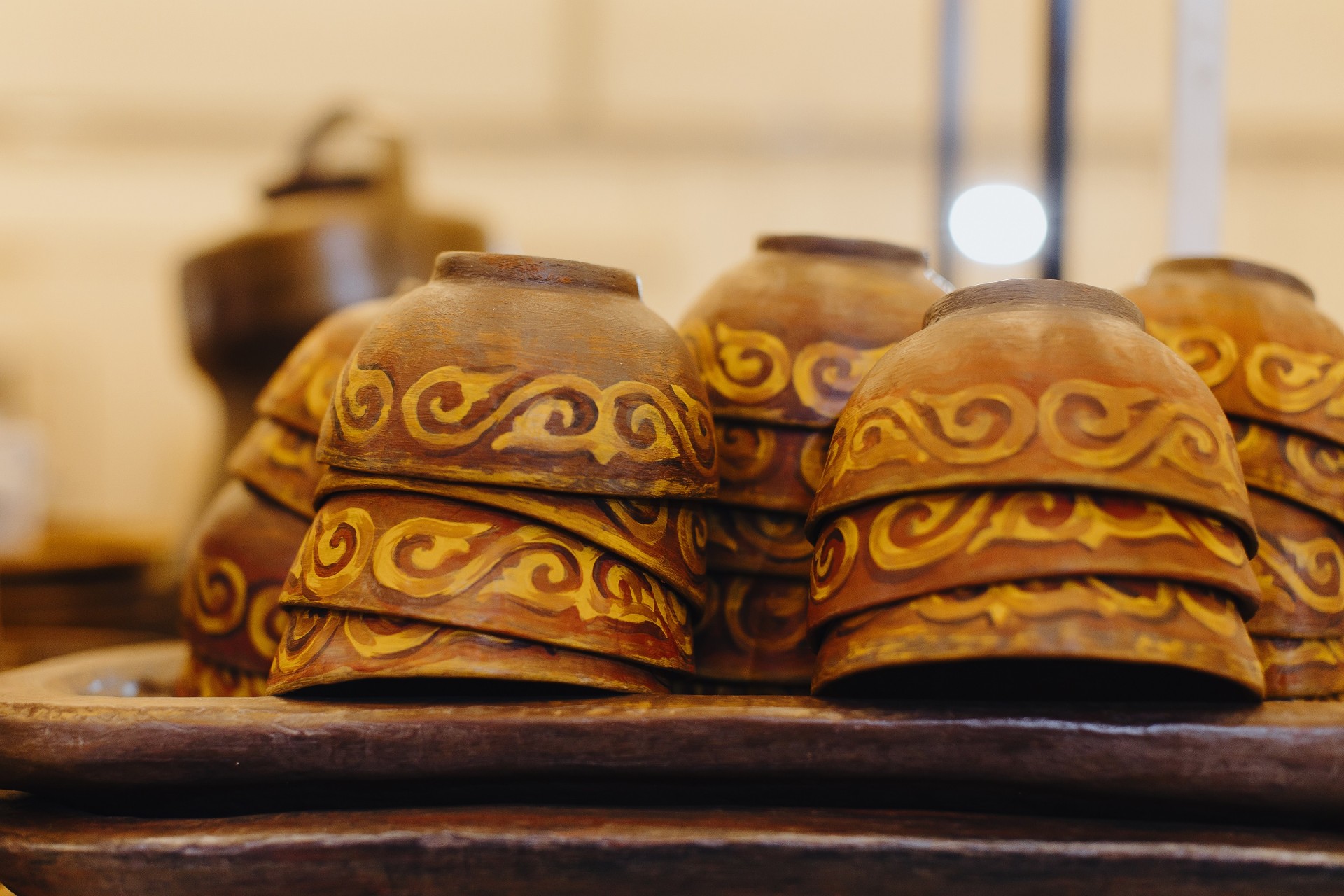
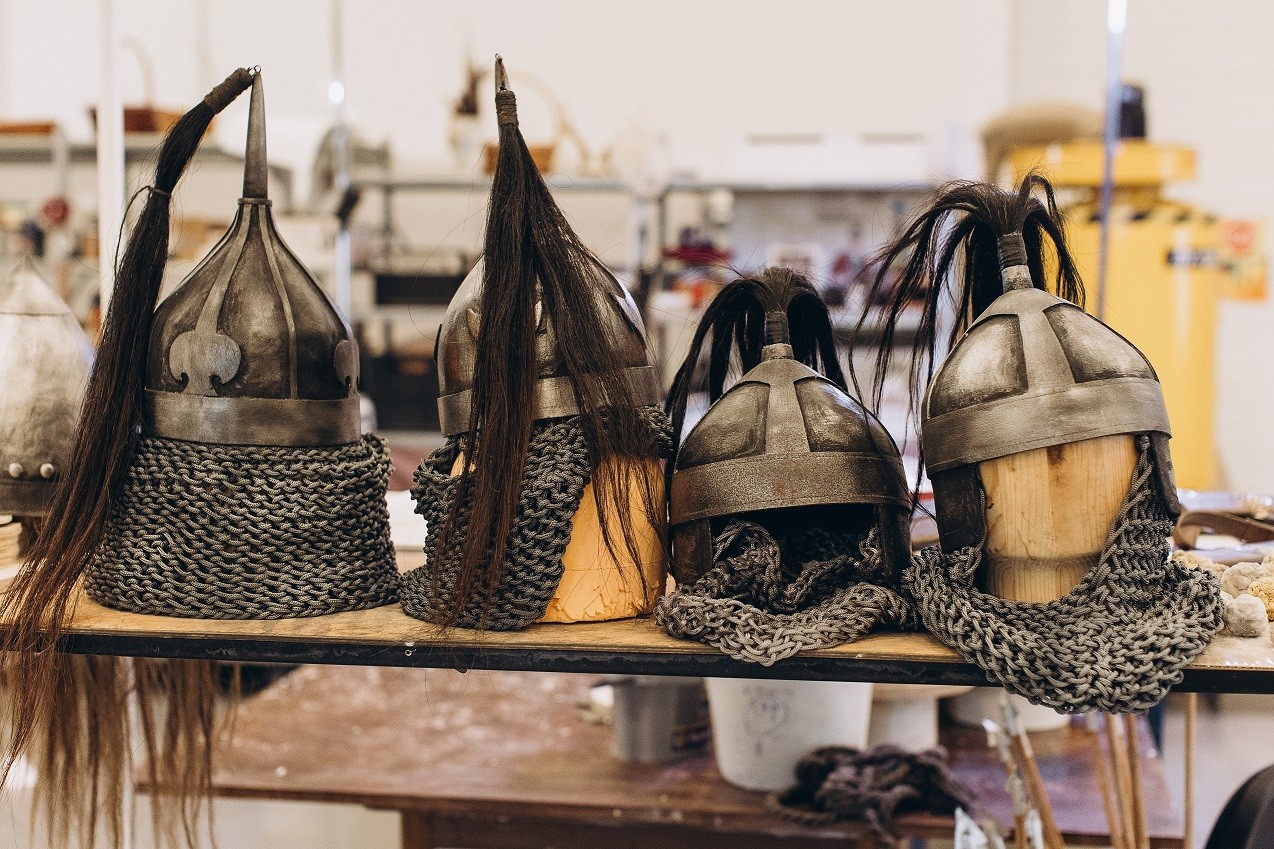
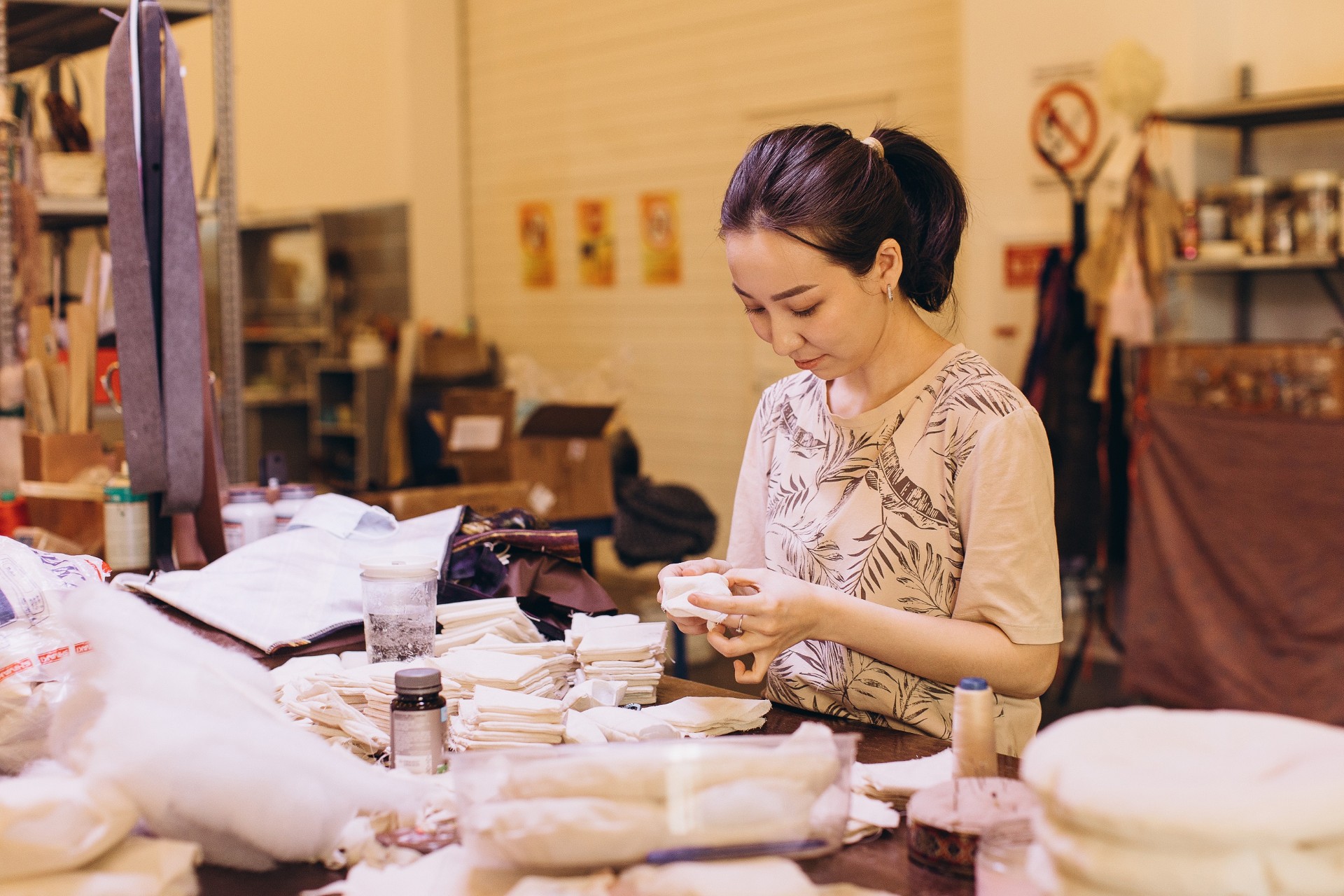
On the workbenches, artisans lay out rounds of ‘dough’ to create appetising flatbreads. However, they are not edible; they are crafted from fabric and stuffed with polyester wadding. Nearby, papier-mâché helmets are drying; once treated with a special finish and painted, they will look convincingly metallic. There are also 24 masks being prepared here for the warriors.
The most unexpected feature sits in the corner of the workshop. “Have you seen the fallen warriors?” Azamat Kizirov asks, gesturing towards a group of figures – an imitation of bodies on a battlefield. They are ready to be moved to the stage. Crafted from polystyrene and reinforced with a thin layer of papier-mâché, they will eventually be wrapped in fabric to complete the effect.
Work has been in full swing since the end of last year, though there is still a little way to go. “The production is vast in scale,” the propmaker admits. While the swords are already finished, work continues on the belts and armour.
At times, the artisans must consult historical sources, embarking on deep research and scouring books to truly immerse themselves in the period.
“We always maintain a positive outlook because the work is so engaging,” says Azamat Kizirov. “Every production is fascinating; for this one, we are working from designs by the Honoured Workers of Kazakhstan, Sofya Tasmagambetova and Pavel Dragunov. What I love about this profession is that we are always creating something new; nothing is ever repeated. Even though this is a national theme – and we have worked on many such productions before – there is always something distinctive about each one. Different eras and different motifs mean the pieces we create are never the same.”
In the construction workshop, senior welder Kanat Akhmetov is busy crafting structures that will eventually appear on stage as 12th-century luxury items. Nearby stands an imposing bed, surrounded by its technical drawings. The frame is made entirely of wood, featuring intricate details produced on a specialised machine.
A throne sits further along, crafted in the same style as the bed. Nearby is a wheeled structure – a cage used to carry Appaq away from her native steppes – and a nearly finished well. Various metals are used throughout, including both iron and aluminium.
“Work is in full swing,” says Kanat Akhmetov. “We have to meet our deadlines. At times, a cloud of fumes from the welding builds up in the workshop, but we have a powerful extraction system and special vents to disperse the haze.”
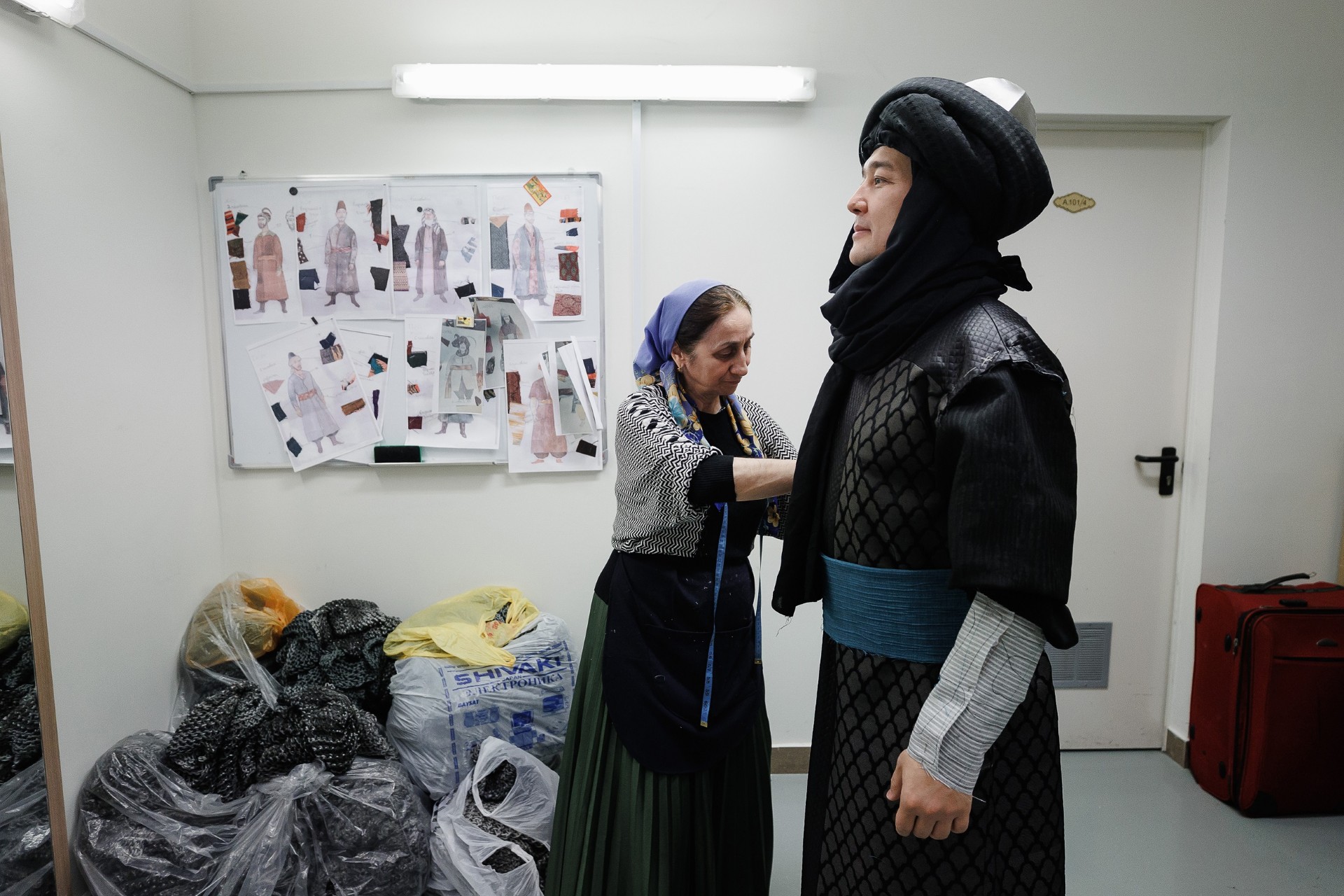
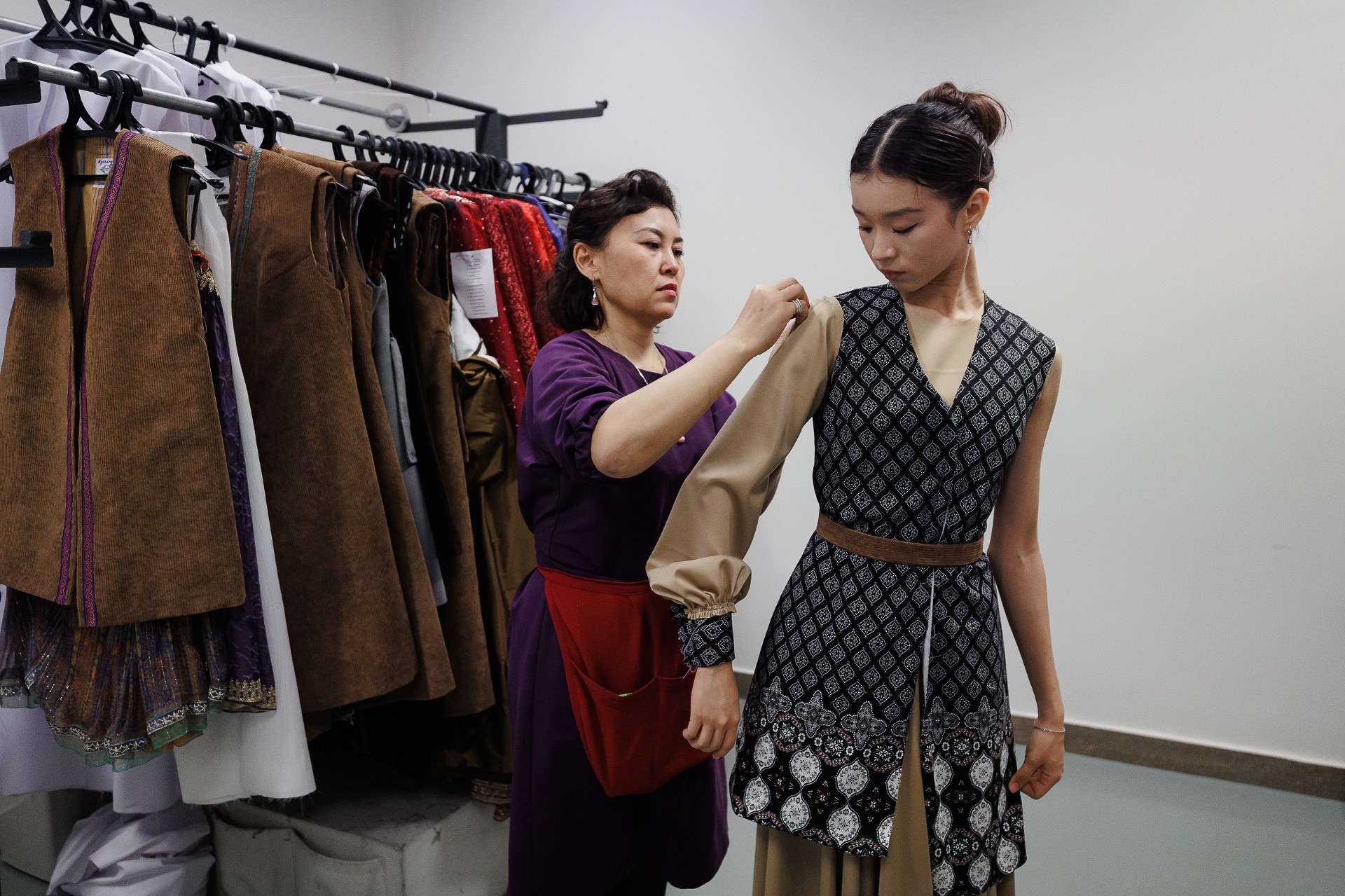
A sense of discipline pervades the costume workshop, where everyone clearly understands their task. The head of the workshop, Aizhan Shaukenova, showcases a vast array of garments; the staff are currently working on costumes for seven assassins and 44 children. Long dresses are being tailored for the girls, while the boys are being fitted for shirts, trousers, and waistcoats – with headwear being crafted for both.
The main army is the chorus, and the number of costumes for ballet is just slightly smaller. There are not so many soloists and the main load is for the mass scenes.
“There is a lot of trim here, a lot of braid, very interesting headwear,” Aizhan Shaukenova comments. “The men’s costumes have a lot of belts; there is chainmail and a great deal of variety.”
Some elements are created in collaboration with the props workshop. For instance, the costume workshop provides the base components for the armour, to which the prop makers add leather padding and metallic details. The masks and chainmail elements are also their responsibility.
The chainmail is a particular point of pride for the workshop. While it has the appearance of heavy metal, it is actually crafted from textile. Performers wear a base layer resembling tiny interlinked rings; this creates a convincing imitation of iron armour while keeping weight to a minimum. Ribbed lines are stitched onto a secondary fabric to mimic the weave of the mail, with polyester wadding added for volume. The result is a highly textured finish that allows the performers to move with complete freedom.
A diverse range of fabrics is used, including wool drape and jacquard. The palette features shades of gold, brown, and terracotta. Silk is reserved exclusively for the women’s costumes, while the men’s attire is crafted from heavyweight materials to reflect the wartime theme.
“The cut is primarily Qypshaq (Kazakh). While the fabrics and trimmings vary slightly, the overarching motifs remain consistent,” explains the workshop manager.
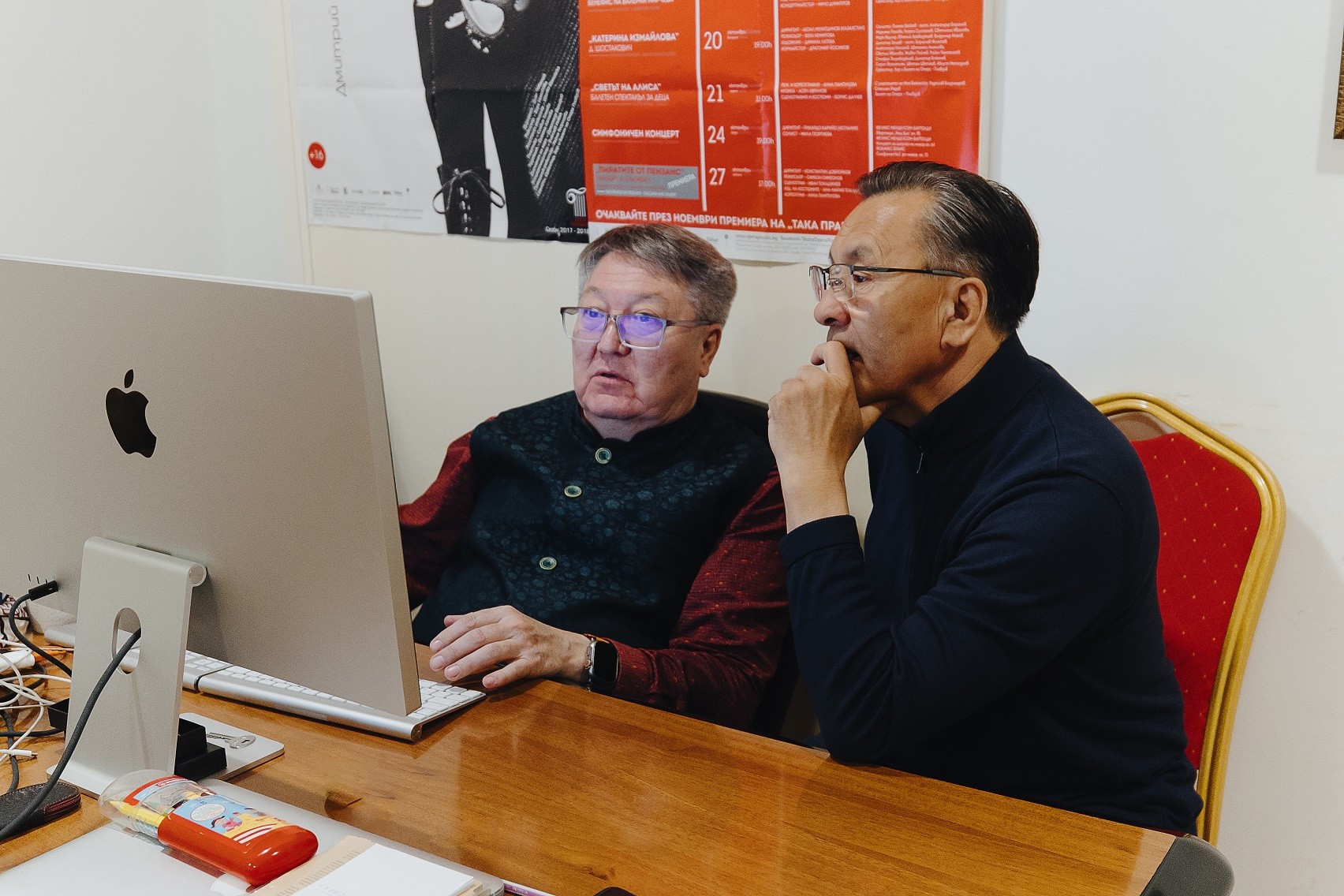
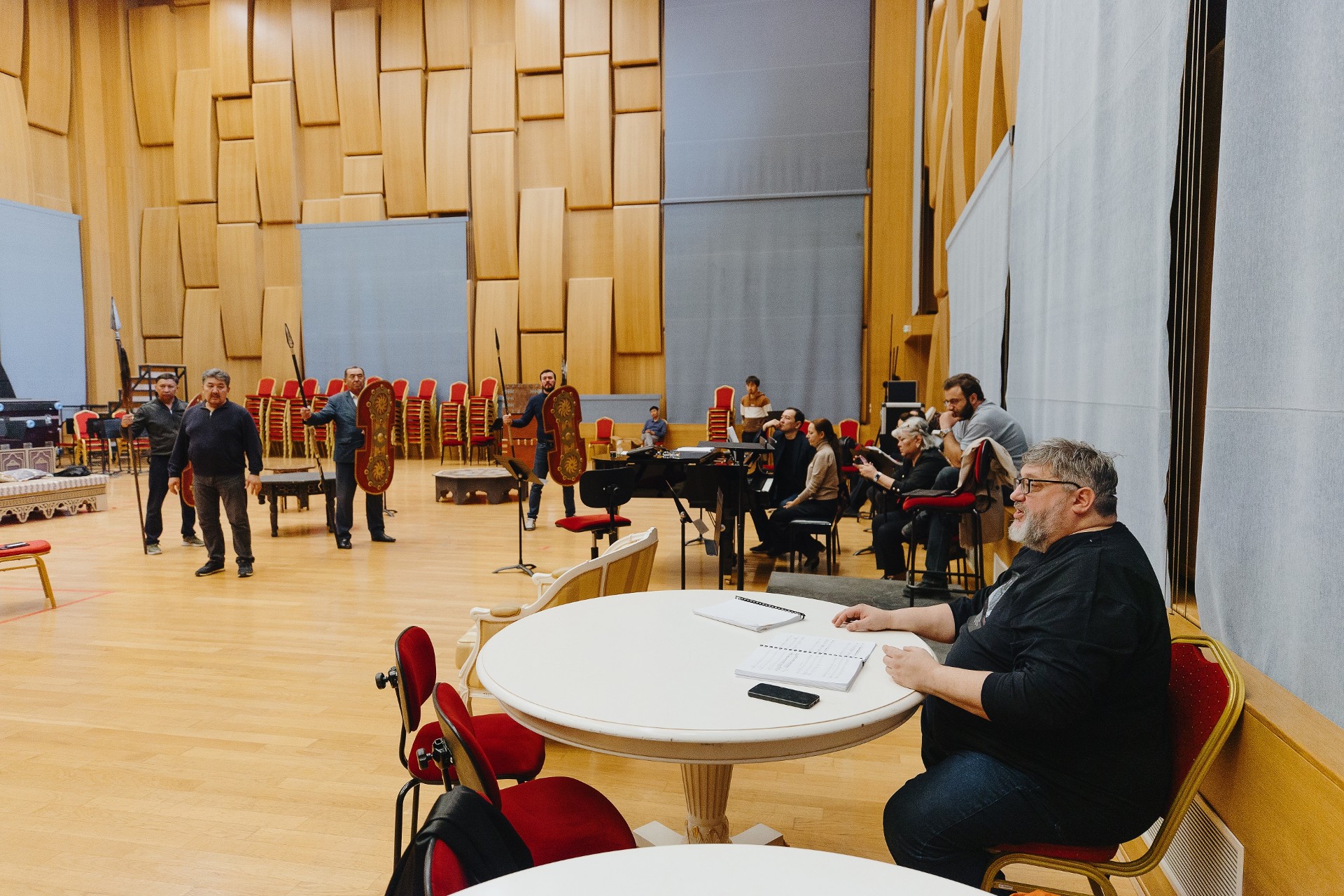
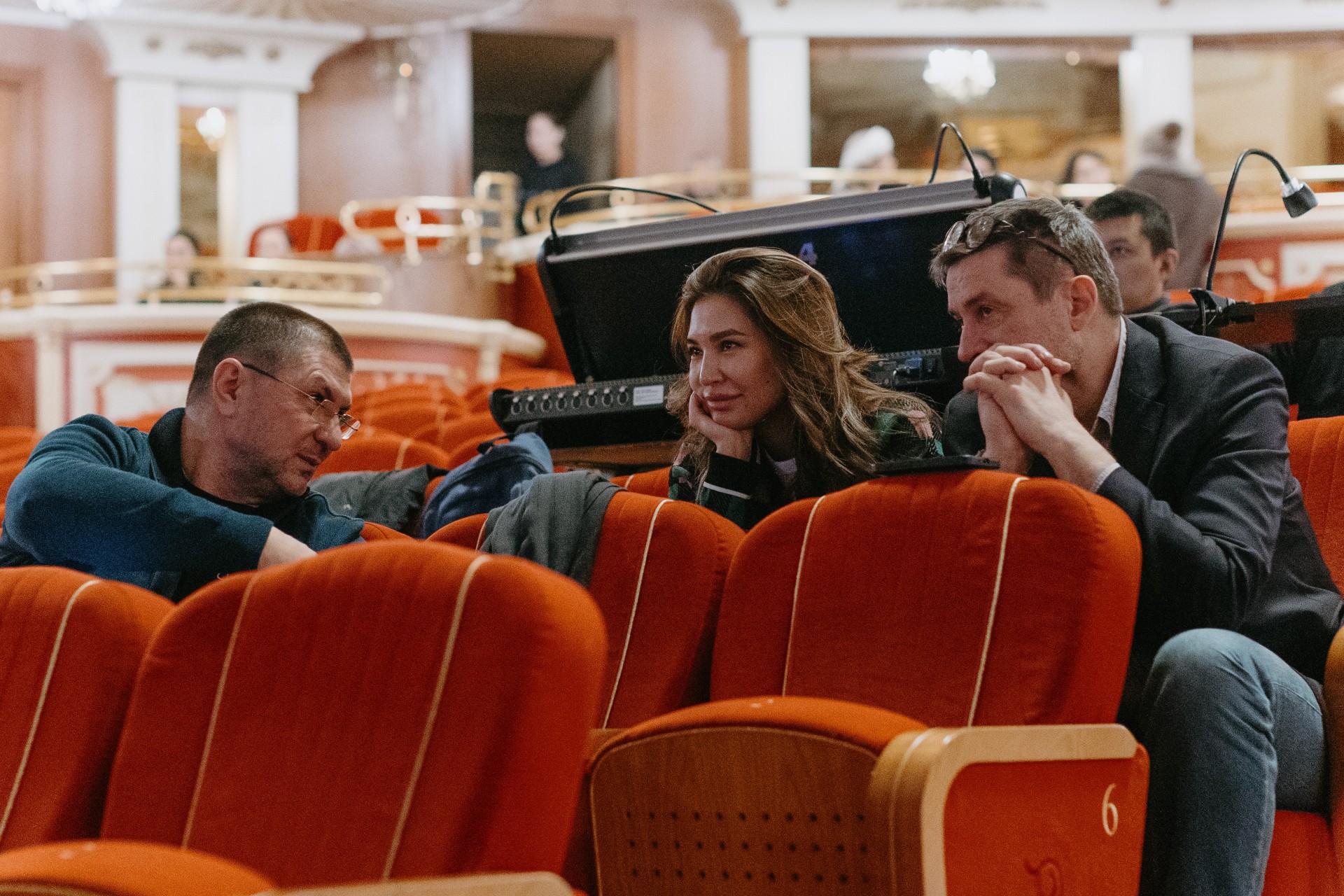
Even now, with only weeks until the premiere, the opera Appaq, the Qypshaq Daughter is breathtaking in its scale. A unique atmosphere also pervades the rehearsal halls. According to the production’s musical director, People’s Artist of Kazakhstan Abzal Mukhitdin, preparing for the premiere is akin to intricate craftsmanship. “Stage director Mikhail Pandzhavidze is making meticulous adjustments to the dramatic framework, while I, drawing on my years of experience, adapt the musical fabric to achieve a sound in perfect tandem with the direction. This process of constant creative exploration and collaboration with the composers is the true ‘engine’ of the opera. The result of this painstaking work will be a living, breathing production,” Abzal Mukhitdin remarked.
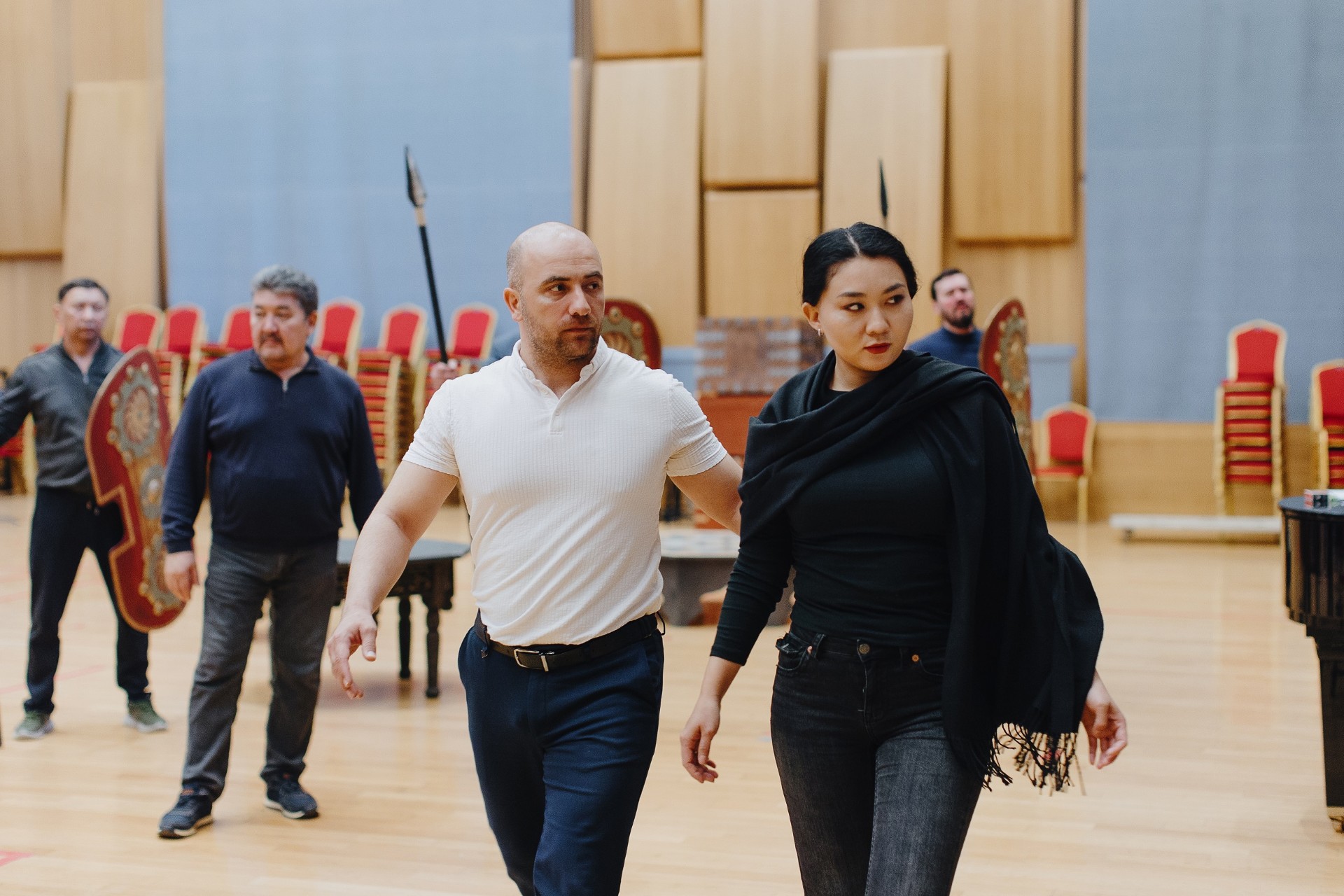
The performers rarely leave the stage; rehearsals continue for hours. Principal soloist, Honoured Worker of Kazakhstan, Bibigul Zhanuzak, who performs the title role, shared that portraying Appaq, the daughter of the Qypshaq people, is a profound responsibility to the memory of her ancestors. “Every character I have portrayed, whether it be Sara, Azhar, or Aisulu, has been a masterclass for me, but Appaq has proven to be a true challenge. She is quite unlike the canonical heroines of national opera, miraculously combining seemingly incompatible traits. She can be the capricious, spoilt daughter, accustomed to her father’s devotion. Yet, the moment she is captured, this fragile girl matures instantly. A genuine courage awakens within her – a resilience she never knew she possessed. My greatest challenge was finding the transition from this warrior to the delicate, radiant bride beside Nizami. This role even required me to master entirely new skills, such as sword fighting, which has been a thrilling experience. Appaq has made me a more multifaceted performer, and for that, I am grateful,” says Bibigul Zhanuzak. “Appaq is a constant presence on stage. Before the audience’s eyes, she endures betrayal, witnesses hostility, and loses those closest to her, yet her spirit remains unbroken. Love is her reward for all this suffering. In the finale, it is love, not the sword, that triumphs. With every performance, we strive to strike a chord with our audience. I truly believe the public will physically sense the spirit of our ancestors – the wind of freedom, the scent of wormwood, and the ache of loss. The opera’s central message resonates deeply with me: war only begets war, and only love can break that cycle. I want the audience to leave the opera house with the thought that strength lies in forgiveness, and true greatness in the capacity to love, no matter the cost.”
Several performers are currently preparing the role of her beloved, Nizami. Ramzat Balakishiyev emphasizes that his character is a colossus – a titan of 12th-century poetry. “He remains a legendary son of the Azerbaijani people. His poetry is a synthesis of humanism, romanticism, and an extraordinary inner freedom. Over 880 years have passed, yet he remains the greatest treasure of Azerbaijani culture. To step onto the stage and inhabit the persona of such a genius is a daunting task. I admit it is challenging; no one knows exactly how he moved or spoke. However, his verses make it clear that he had no tolerance for insincerity and never surrounded himself with flatterers. He was pure, honest, and devoted. My goal is to portray his kindness while maintaining a masculine resilience rooted in his love for humanity. His love for Appaq is a story unto itself; though she was presented to him as a gift, he refused to compel her. He would not marry her against her will, yet he managed to win her heart through his goodness alone. Such a love occurs once in a millennium. On stage, we work through facial expressions, vocal nuance, and subtext; it is demanding but fascinating. Our director, Mikhail Pandzhavidze, demands more than just ‘hollow notes’ – he seeks a living soul and true realism. When you step into the spotlight, everything matters: your posture, your gaze, and, of course, your vocals. Language here is a unique element; Azerbaijani is incredibly melodic. Therefore, when I perform the part in Kazakh, I sing with a certain softness so the audience senses that this is an Azerbaijani voice singing in the Kazakh tongue. This is how the fusion of Turkic cultures is born. I am naturally nervous, but I believe that if even one person leaves the opera house feeling happy, it will be a victory. I sincerely hope our production resonates, and that our shared Turkic world continues to sound even more loudly eight centuries from now – as a single soul,” concluded Ramzat Balakishiyev.
Very soon, the auditorium will be filled with music as the audience follows the fate of the Daughter of the Great Steppe. Behind the scenes, the hundreds of people who pieced this opera together will be holding their breath – hoping that when the curtain falls, we can simply say: “I believe!”