Last weekend, 19 and 20 September, Puccini’s La Bohème was met with immense success at Astana Opera.
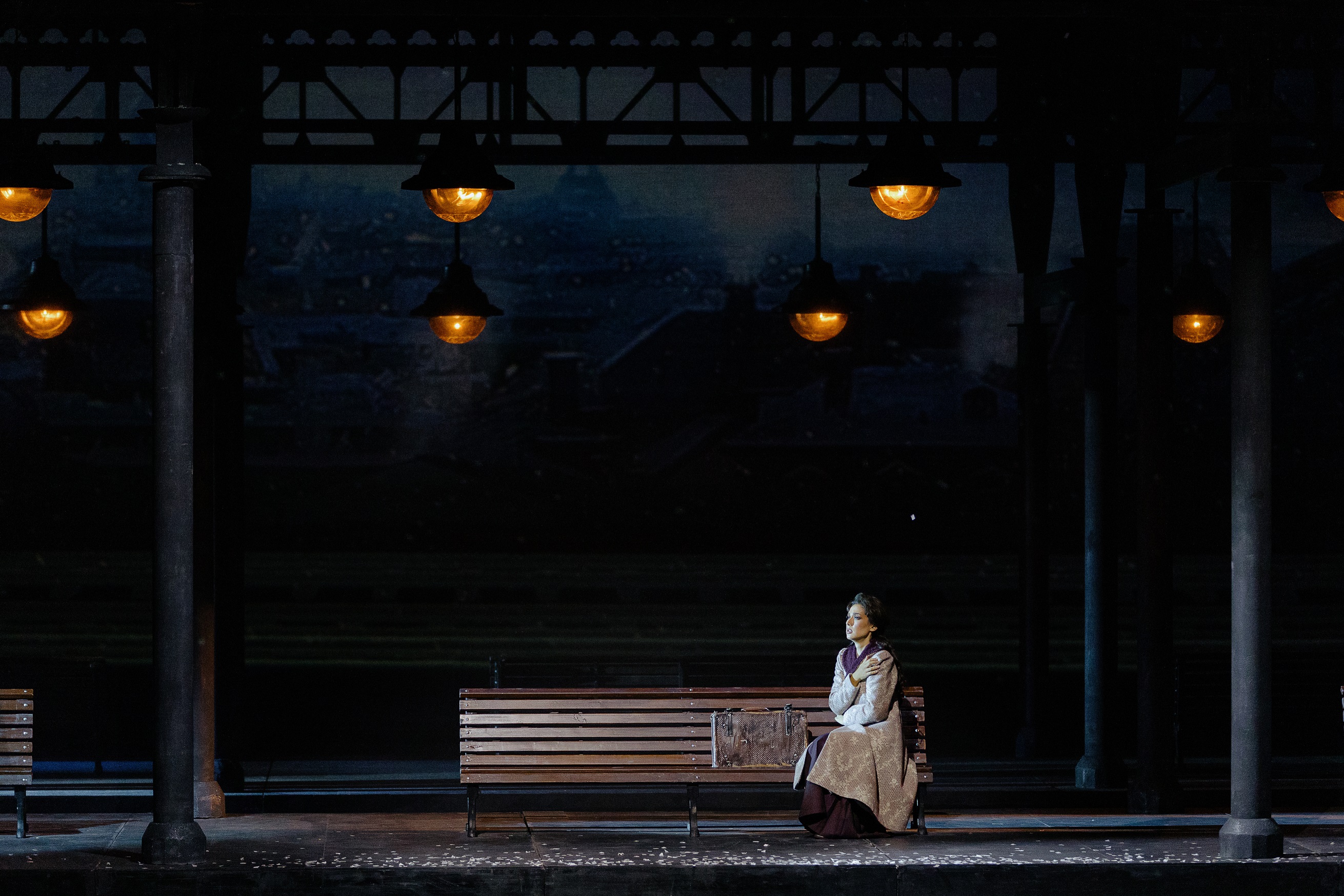
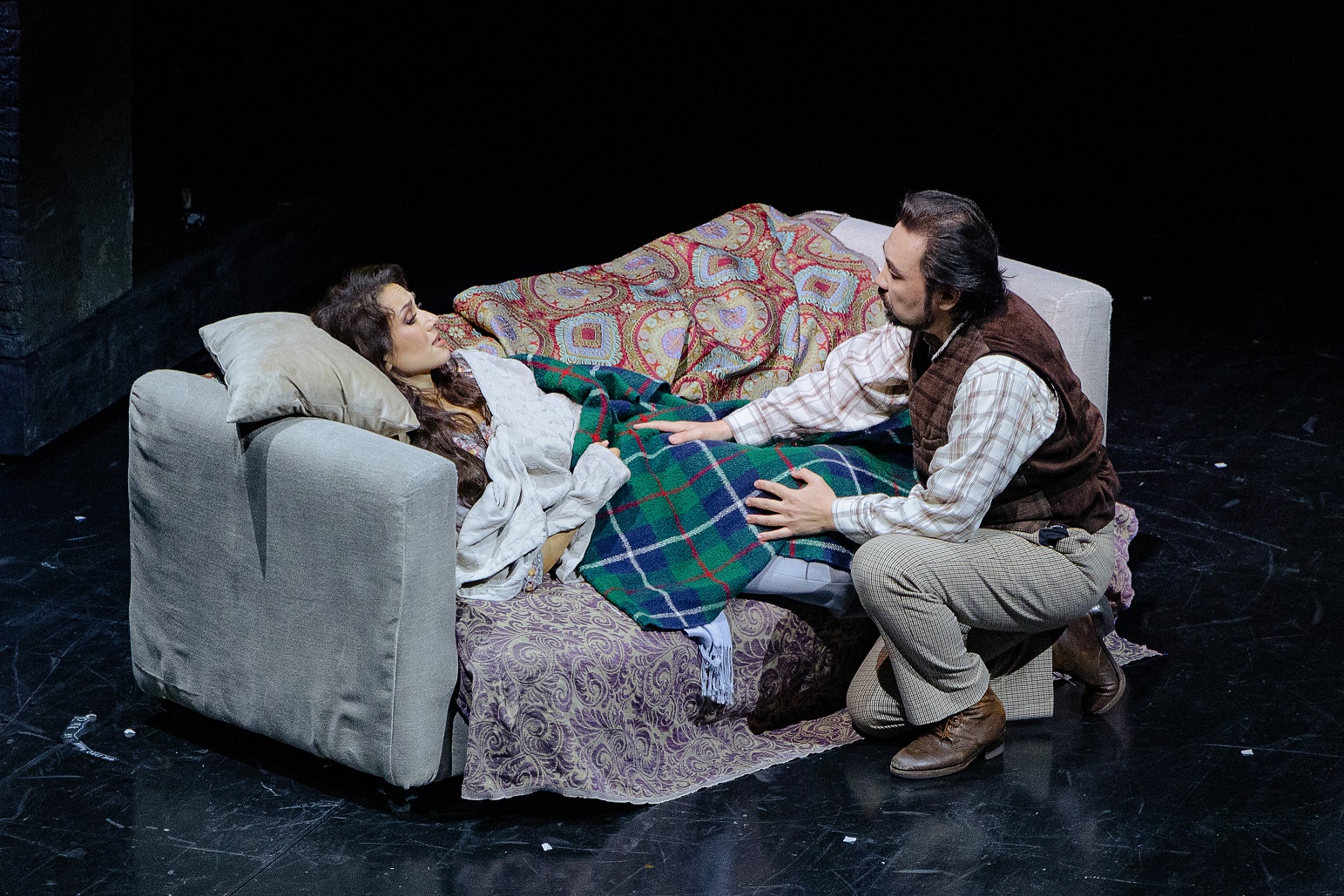
On 20 September, the role of Mimì was performed by Maria Mudryak, Honoured Worker of Kazakhstan. When the soprano took the stage, the audience greeted her with particularly warm applause. Her heroine proved to be exactly as the singer had promised ahead of the performance: simple, romantic, and capable of finding joy and wonder in the smallest things, yet also a strong woman with a profound will to live and love. Residents of Pavlodar travelled to see her performance, showering her with a torrent of applause and shouts of ‘bravo’ at the finale.
“We came specifically to see Maria,” shared audience member Alma Kuanysheva. “For us, she is the pride of our city – and indeed, the pride of the country. When she sang, I literally got goosebumps, and I couldn’t hold back my tears during the finale. It was an unforgettable evening, and we will definitely come back again.”
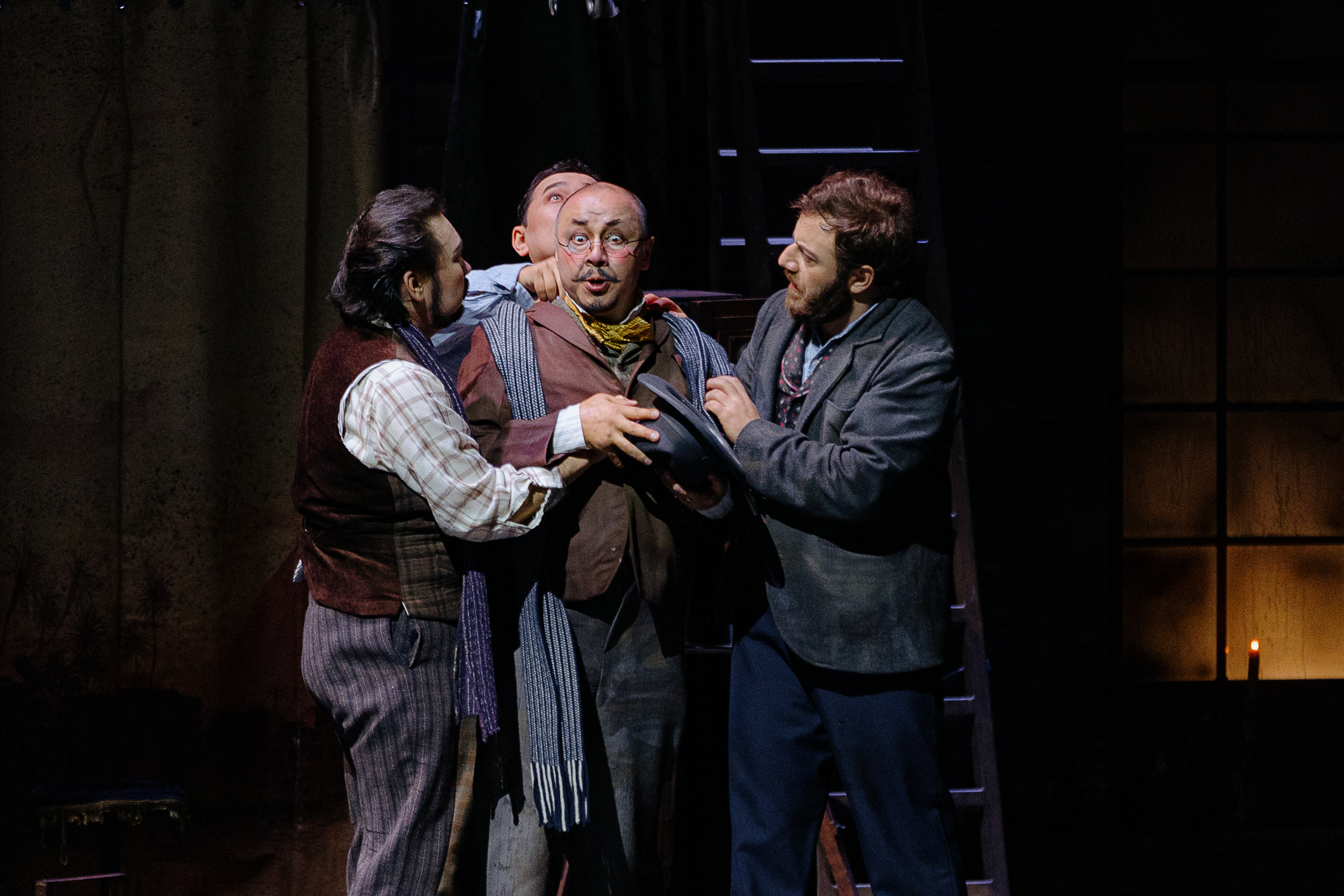
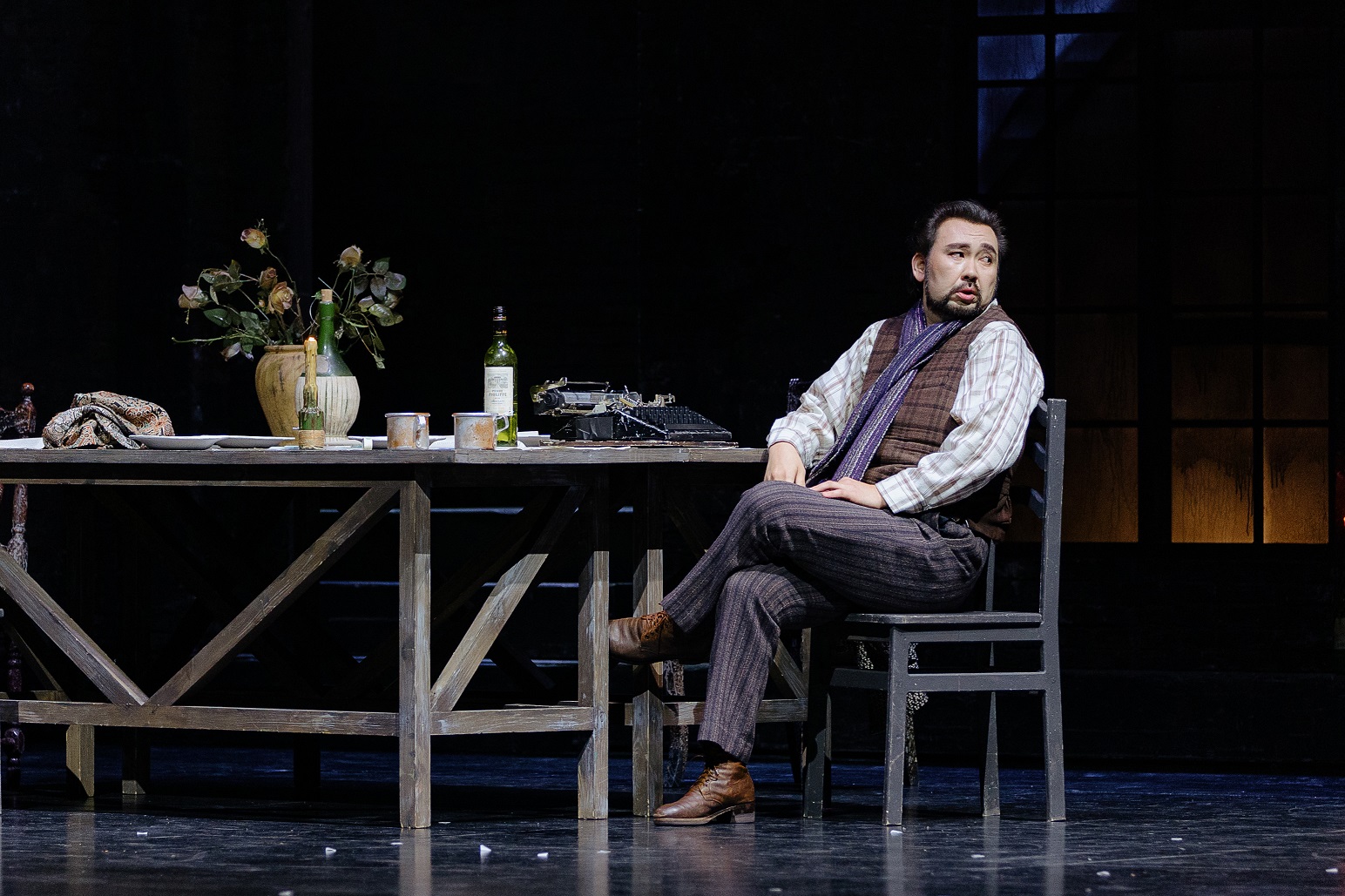
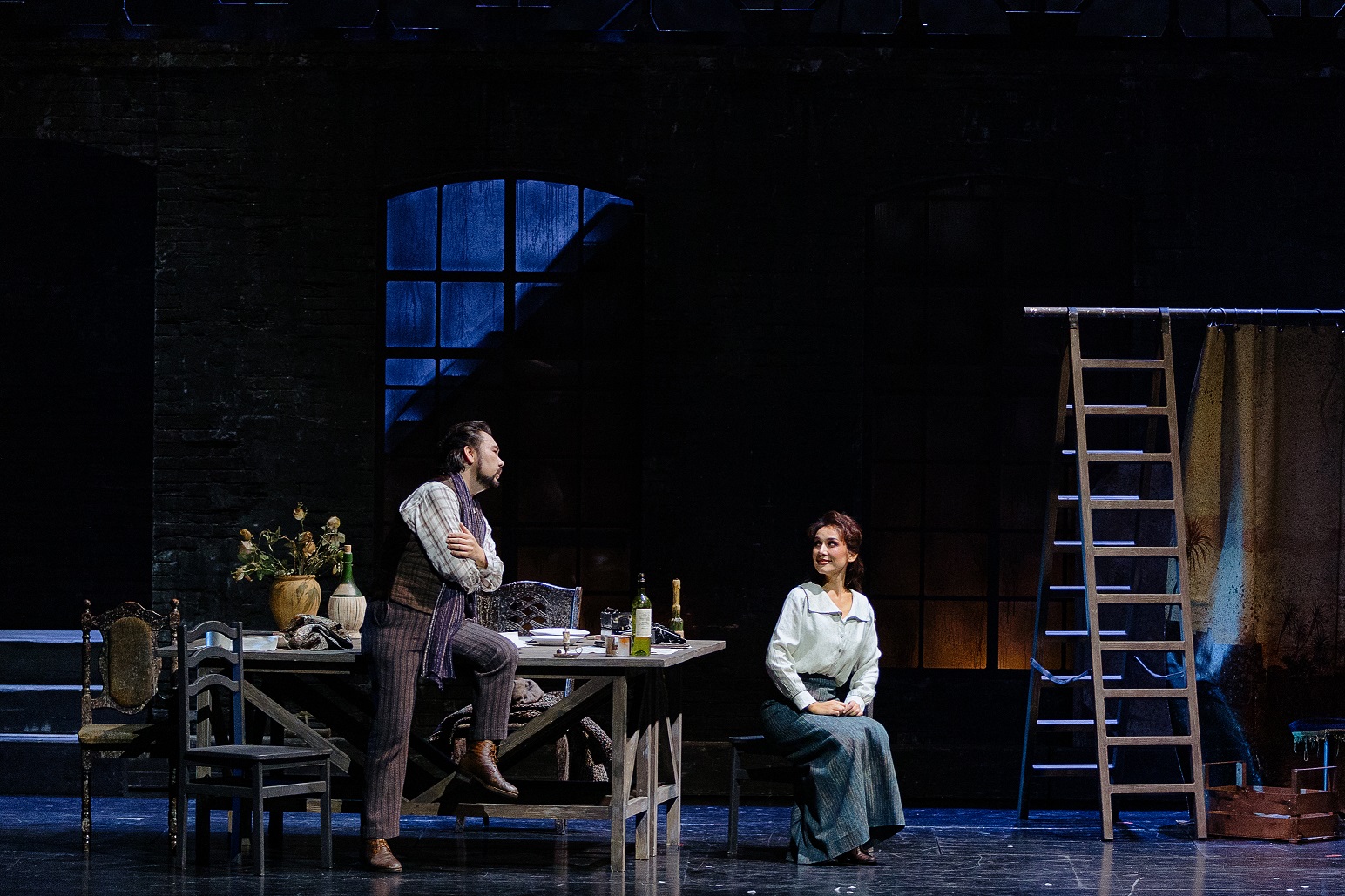
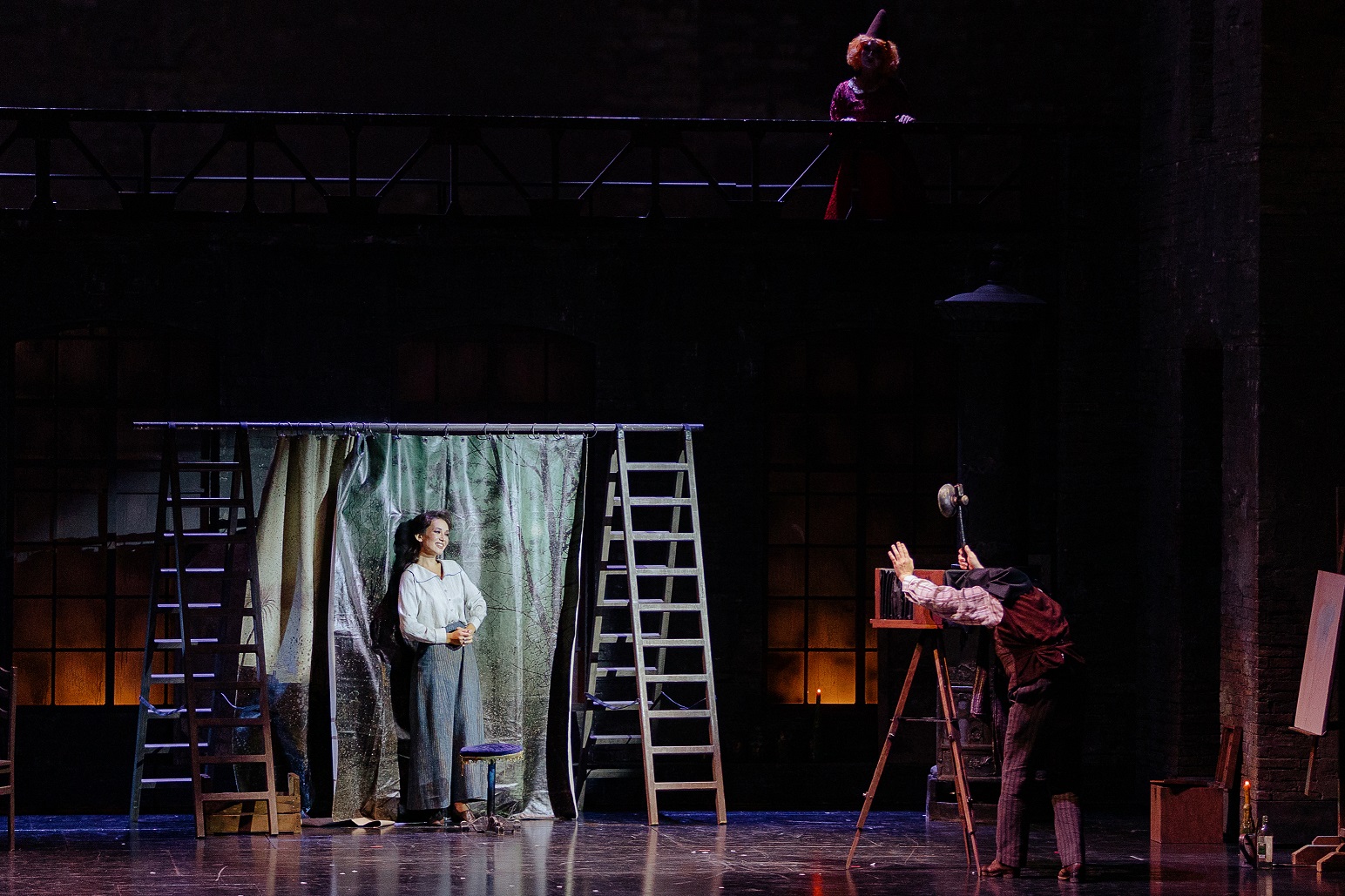
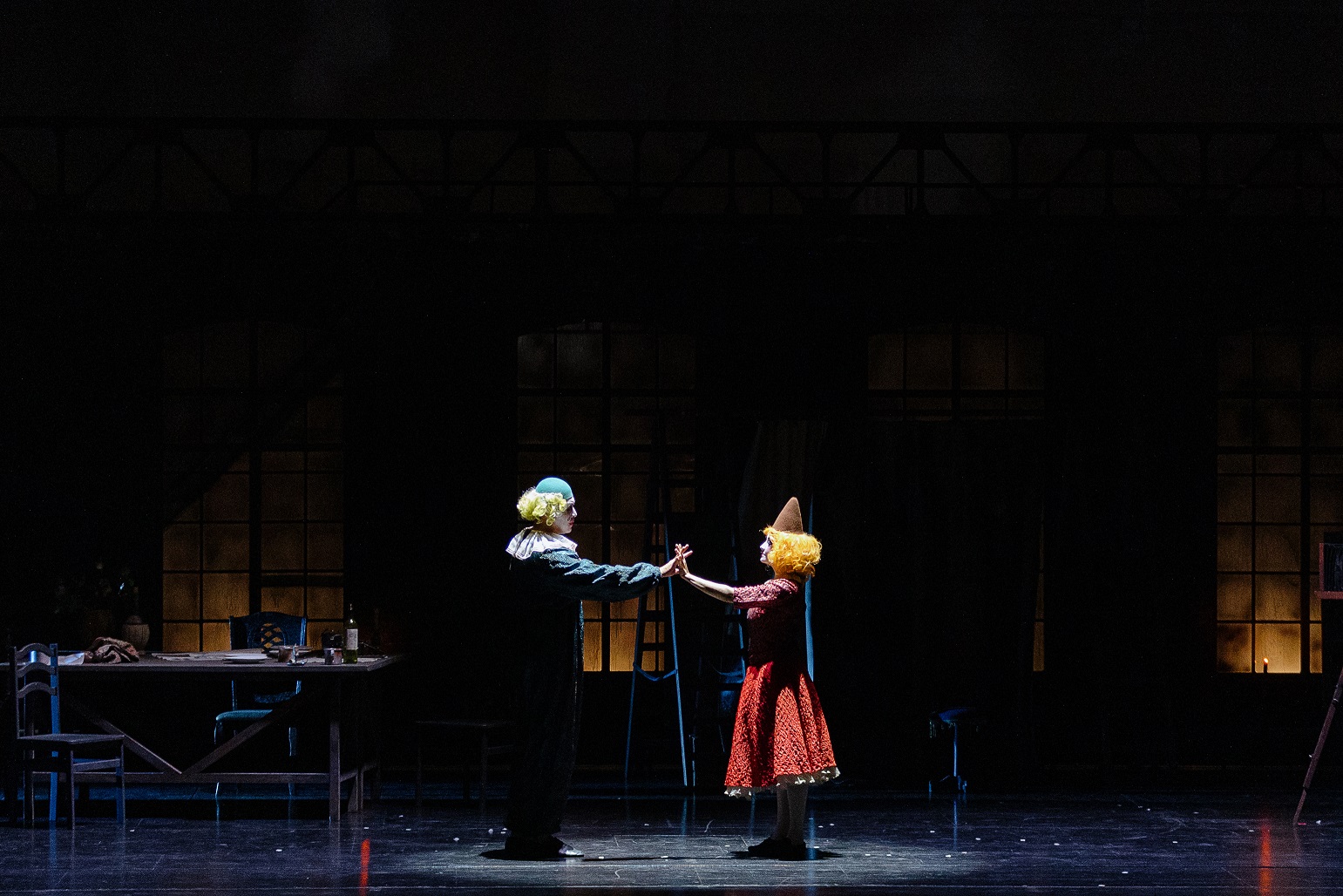
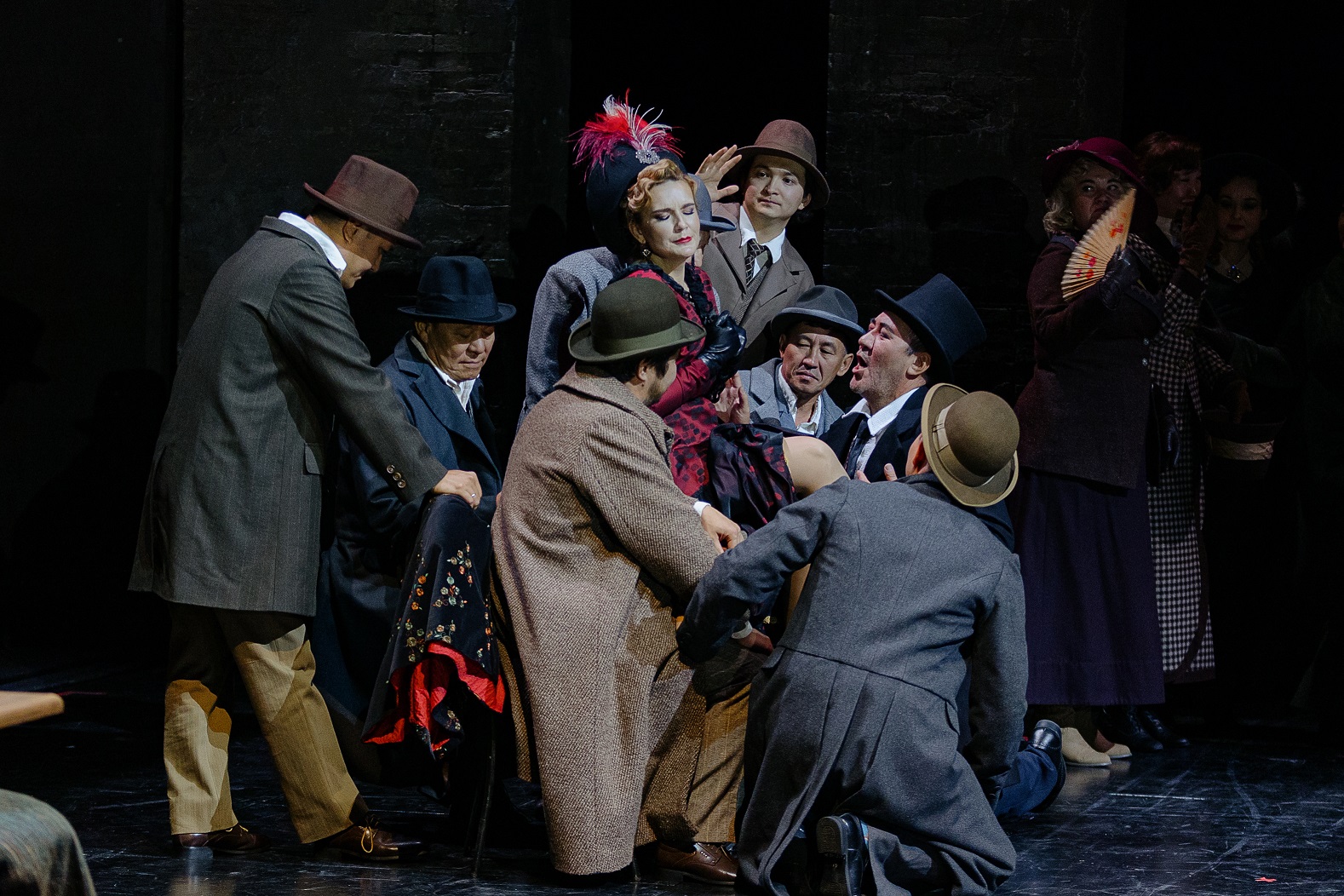
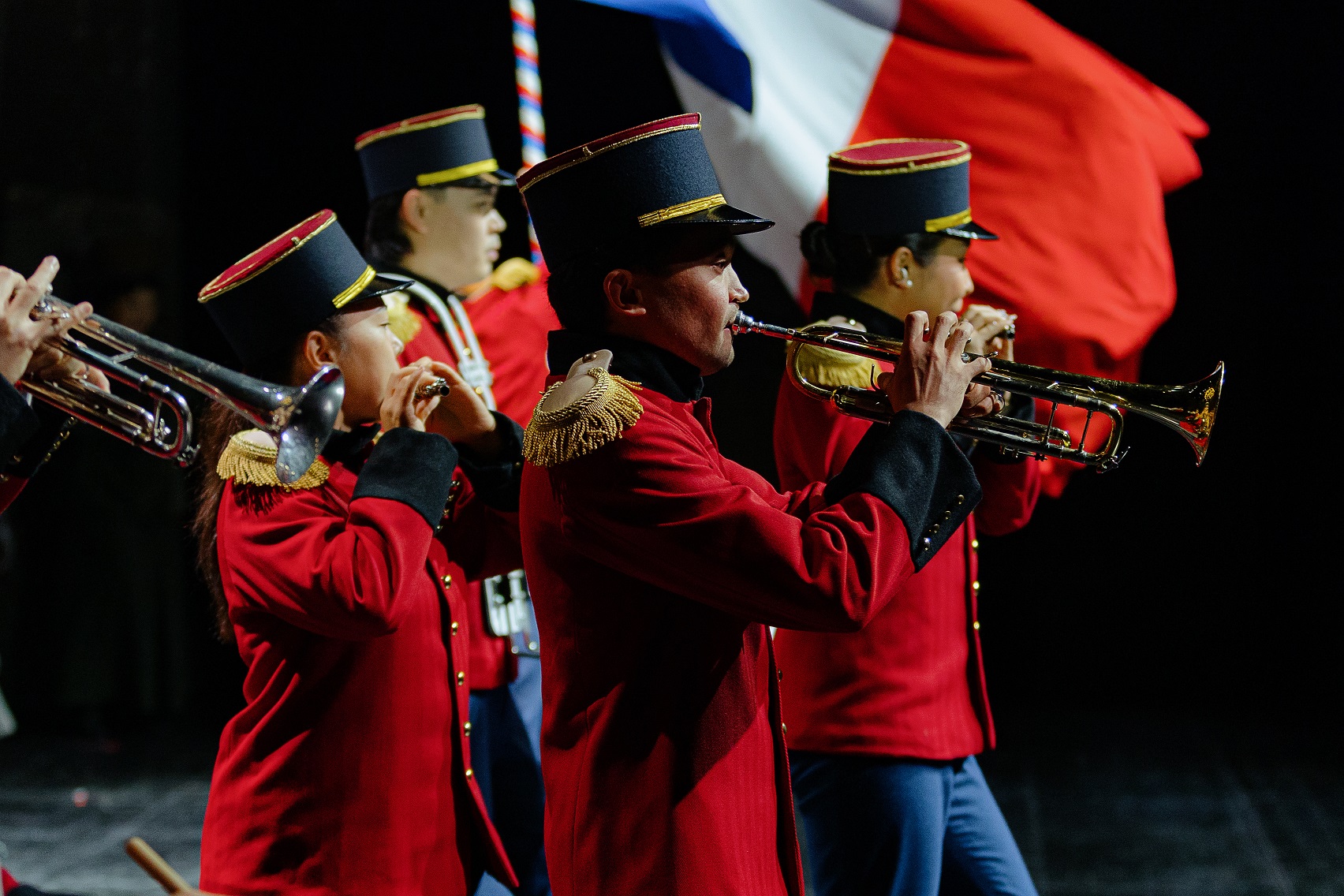
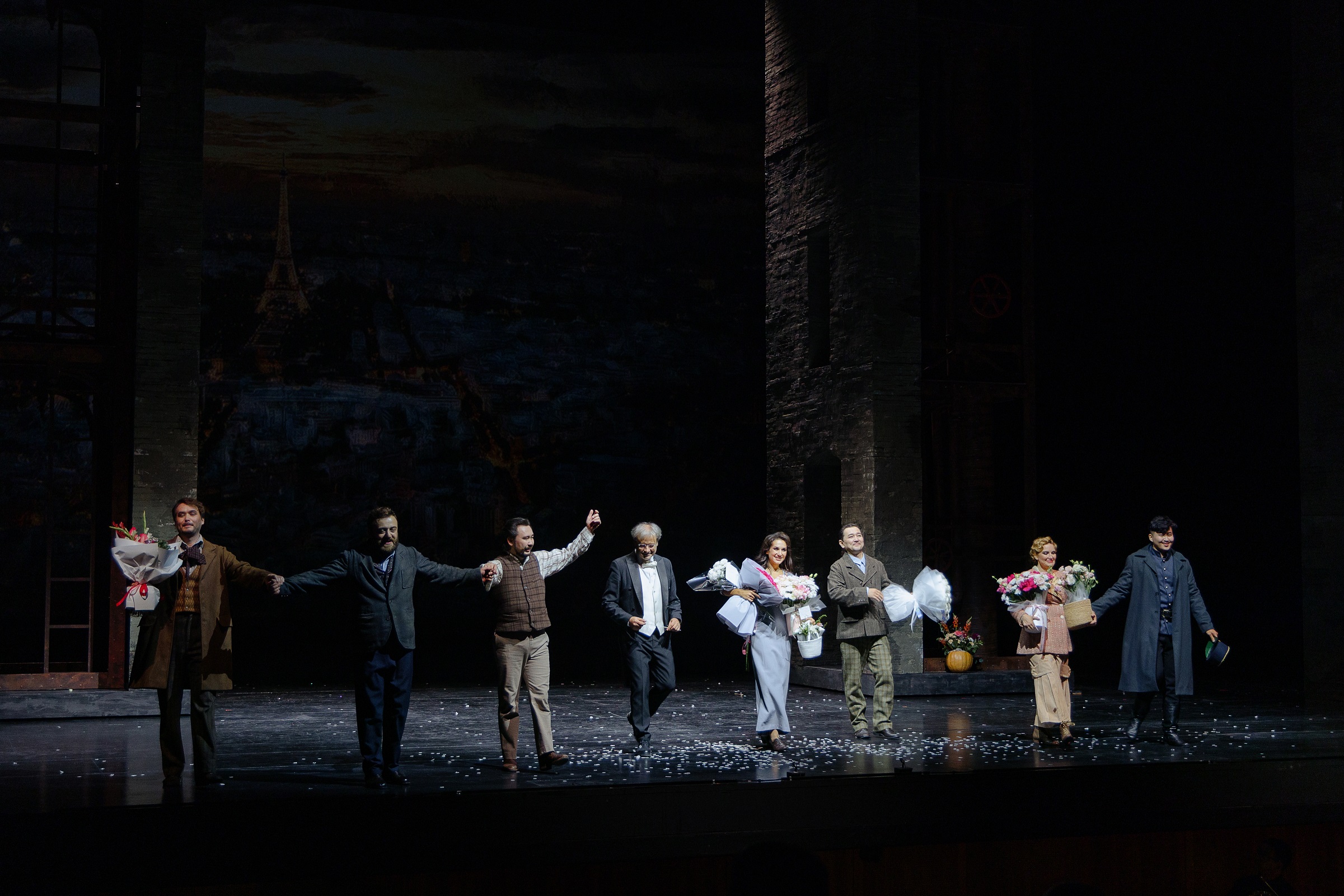
It is worth noting that La Bohème at Astana Opera is a production created by a world-renowned team. Through the artistic vision of stage director Andrea Bernard, set designer Ezio Frigerio, and Academy Award-winning costume designer Franca Squarciapino, a Parisian fair complete with a merry-go-round and circus performers, a snow-covered station, and an abandoned factory all come to life on stage. The Eiffel Tower and a life-sized train have long since become the hallmarks of this production.
Italian maestro Giuseppe Acquaviva, a renowned specialist in Puccini’s music, took to the podium that evening. Under his baton, the Astana Opera Symphony Orchestra sounded as though every single note were infused with meaning.
This was no coincidence. Before composing La Bohème, Giacomo Puccini had lived through the very same school of survival as his characters. During his poverty-stricken years studying at the Conservatorio di Milano, he endured severe hardship – renting a tiny room and pinching every penny. His landlord, a postal official, mistrusted the young student so deeply that he would personally intercept and open letters containing Puccini’s scholarship funds to deduct the rent himself.
On one occasion, Puccini even pawned his only coat just to take a young lady out on the town. This incident is mirrored almost exactly in the opera’s fourth act, when Colline bids farewell to his coat to help the dying Mimì. Ultimately, La Bohème is far more than just a beautiful story invented by the composer; it is, in many ways, his own youth woven directly into the musical score.
Maria Mudryak’s stage partners included Talgat Mussabayev as Marcello, Sayan Issin as Rodolfo, and Yelena Ganzha as Musetta, alongside other soloists. Meanwhile, on 19 September, the role of Mimì was performed by Madina Islamova, whose heroine proved to be deeply moving and sincere. Dinmukhamed Koshkinbayev portrayed Marcello, Zhan Tapin stepped into the role of Rodolfo, and Assem Sembina brought Musetta to life.
This production has been a staple of the repertoire for seven years, and judging by the audience’s reception, this story of love, hardship, and hope continues to resonate deeply in people’s hearts.


«Cultural Legacy Fund»
FOUNDATION FOR CULTURE AND CREATIVE INDUSTRIES

Contact information
For more information, to contact us or to apply for participation in the programs, you can use the following contacts:
Public Fund for the Support of Culture and Creative Industry «Cultural Legacy Fund».
Address: Astana, Yesil District, Mangilik El Avenue, Building 55/22, Block C 4.3., Office 246.
E-mail: info@culturallegacyfund.kz, Impresario@culturallegacyfund.kz
Stay connected
Follow our website and social media to stay up to date with new programs, opportunities, and cultural initiatives from the Cultural Legacy Fund.
Developer of LLP "TORUS.KZ"
© 2025 All rights reserved