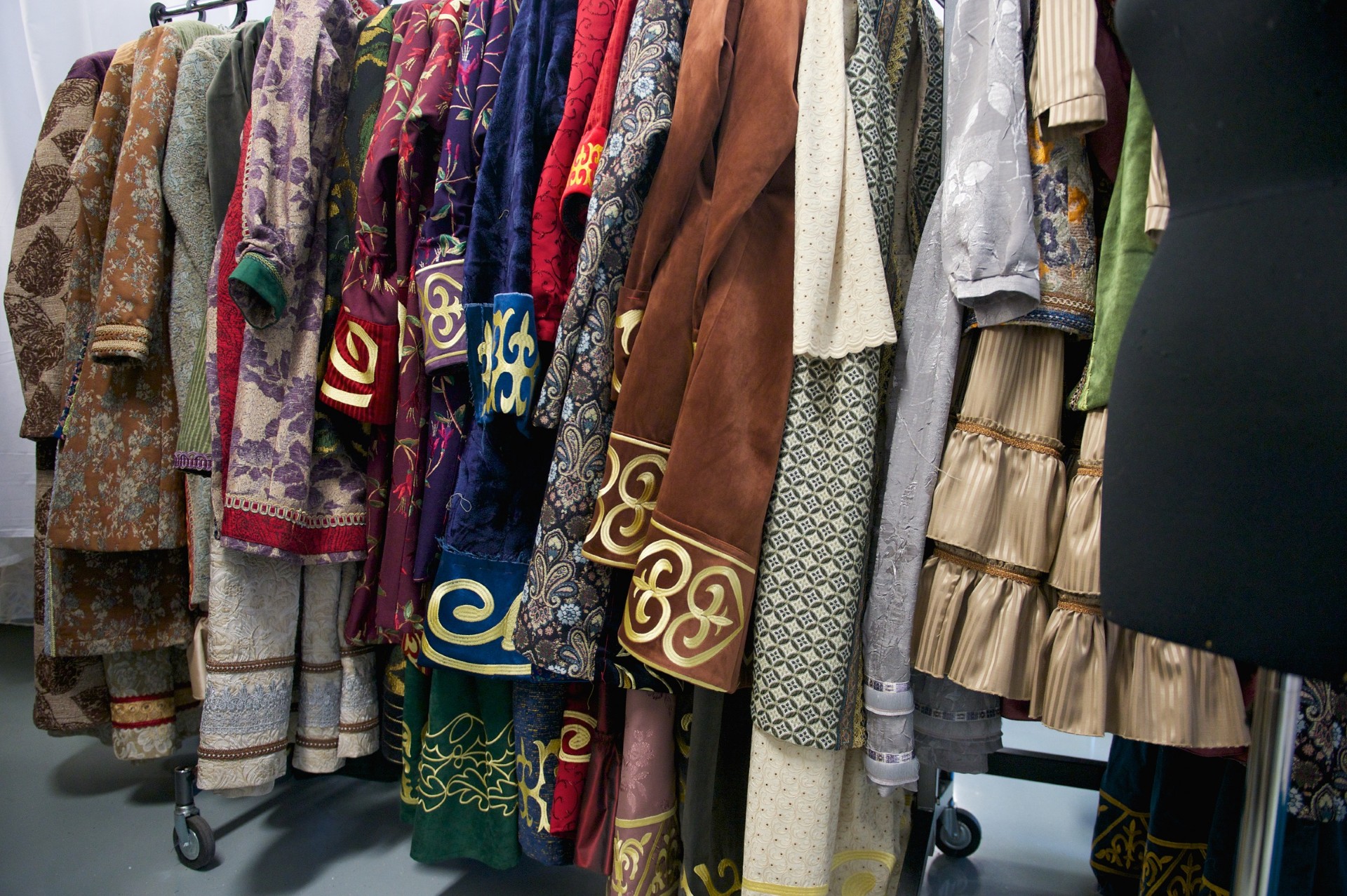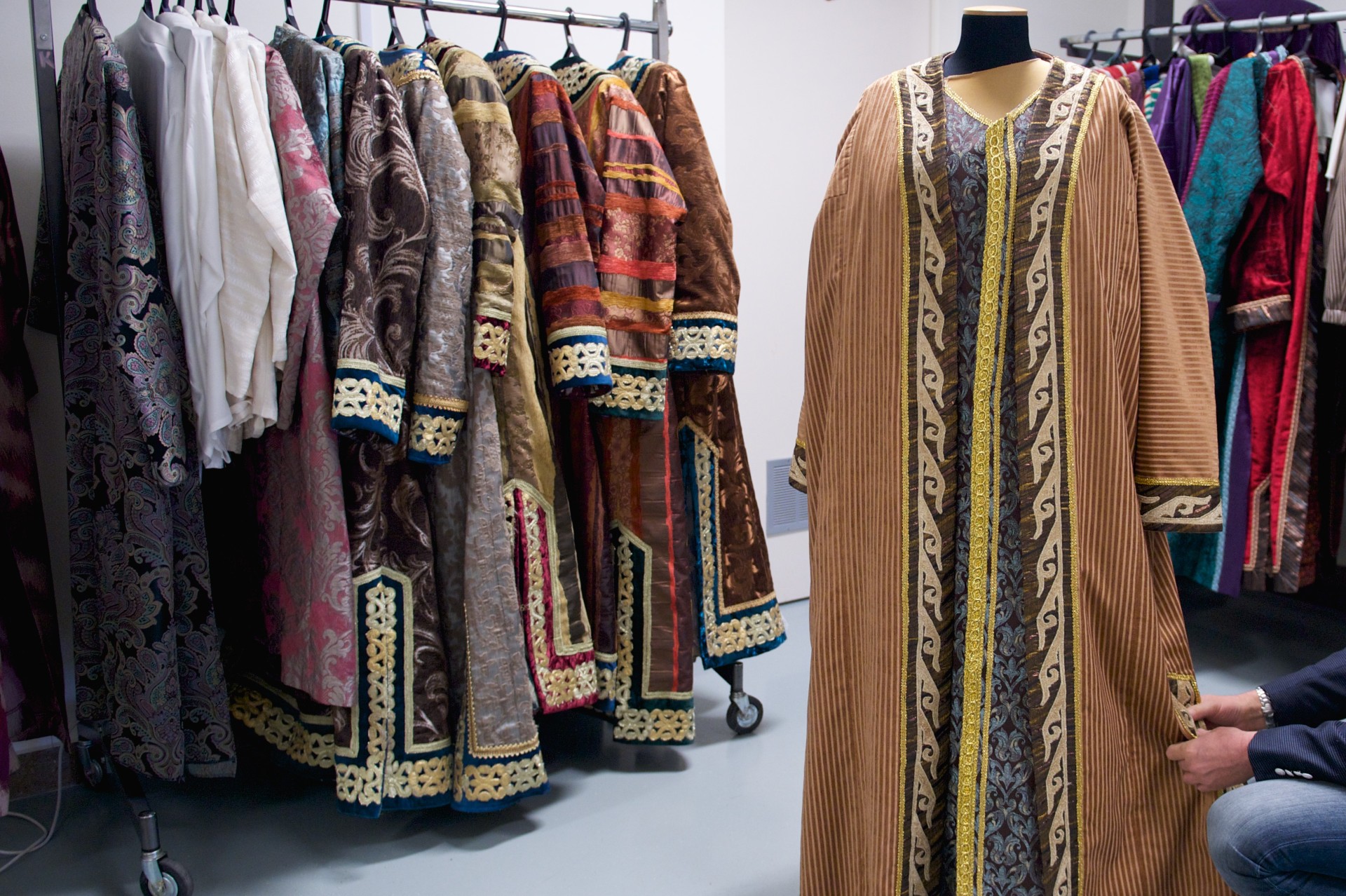

At Astana Opera, Kazakh national dress is as much a crowning jewel of the stage as it is a vibrant part of the opera house’s daily life. A tradition established several years ago has seen the team embrace national dress as professional attire; today, the opera house’s halls are graced by staff members wearing intricately embroidered kamzols and shapans.
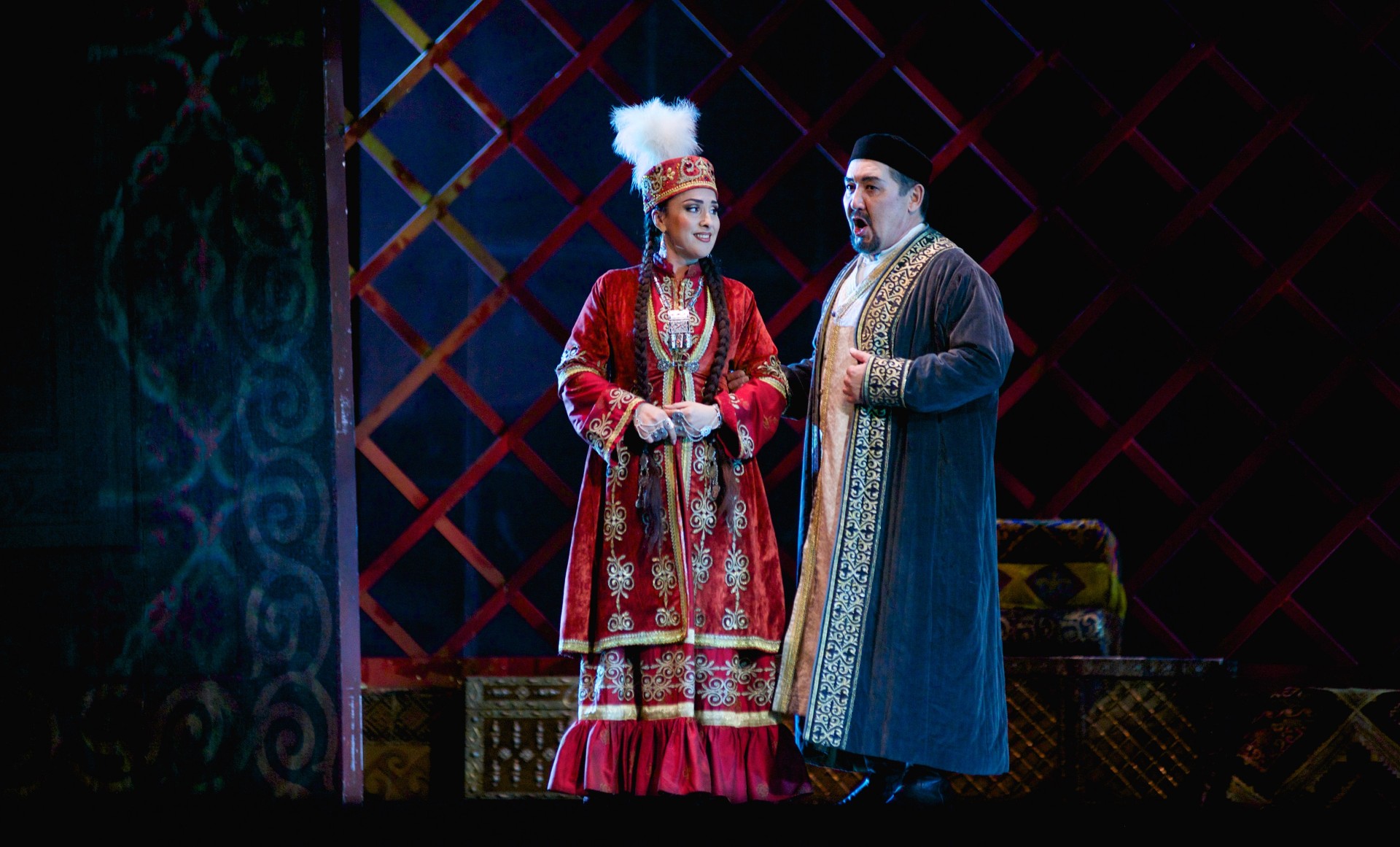
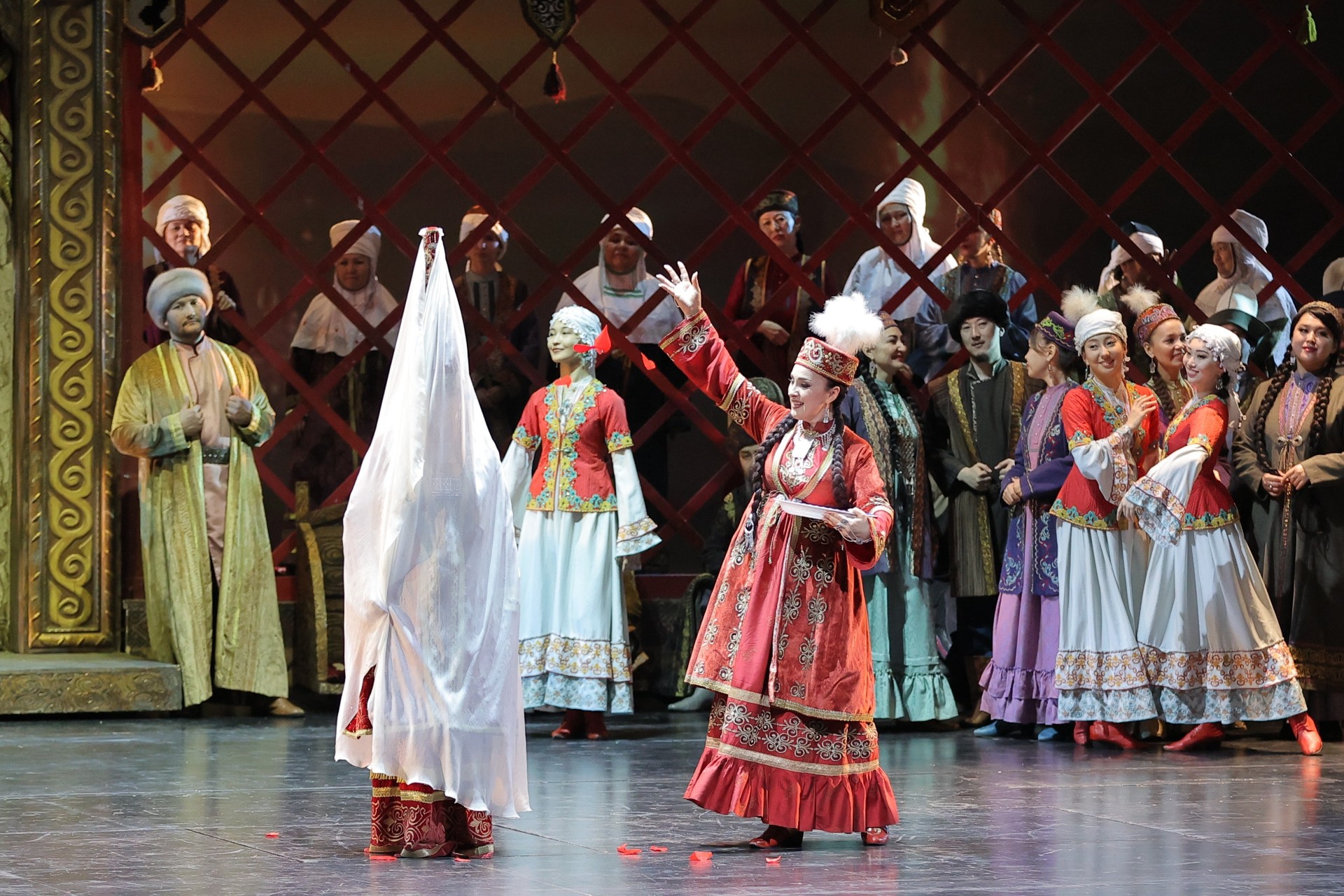
In anticipation of National Dress Day, celebrated on 18 March during the Nauryznama Decade, Astana Opera’s principal soloist, Honoured Worker of Kazakhstan, Tatyana Vitsinskaya, shared why it is so meaningful for her to feel a personal connection to Kazakh culture – not only through music, but through the lived experience of wearing national dress. A striking mezzo-soprano who has brought a vivid array of Kazakh characters to life on the capital’s stage – including Qarlyghash in Zhubanov and Khamidi’s Abai, Batsaiy in Brussilovsky’s Qyz Zhibek, Analyq in Tolebayev’s Birzhan – Sara, and Mother Earth in Rakhmadiyev’s Alpamys – she spoke of her deep affinity for these traditional garments.
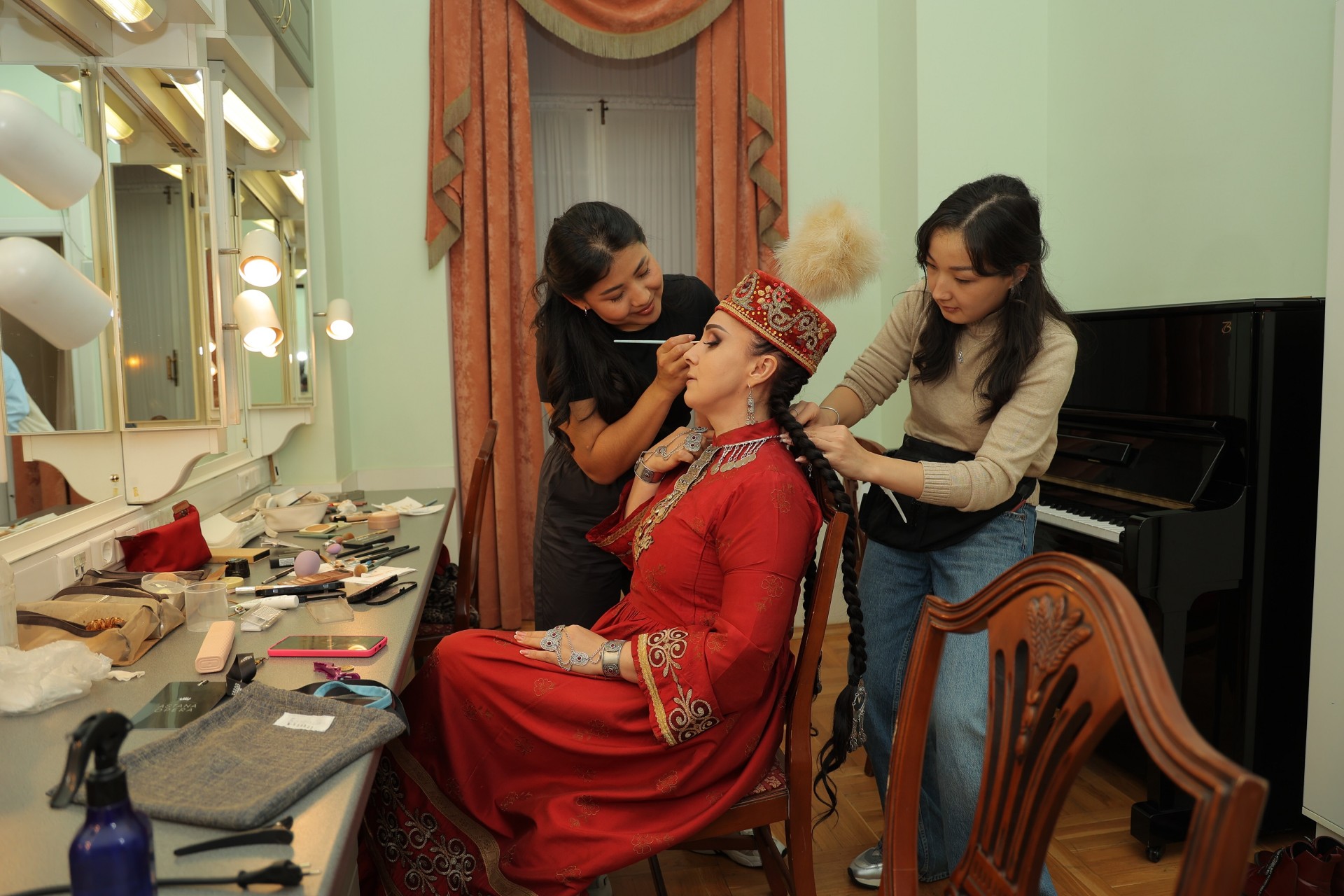
“I wear national dress both in stage productions and for concert performances. I am particularly fond of the harmony between the European cut of the garments and traditional ornamental elements. Whenever I perform the Toibastar from the opera Abai, I always take the stage in national attire; it gives me a distinct sense of inspiration before I sing,” says principal soloist Tatyana Vitsinskaya. “I also love wearing traditional silver jewellery. I am especially drawn to the shashbau and besbilezik – a set of five wrist bracelets. Pieces attached to the headwear, such as the shekelik, always lend a unique beauty to a character.”
The mezzo-soprano also noted that she gladly supports the tradition of wearing national dress to the opera house, embracing every opportunity to complement her attire with traditional jewellery and accessories.
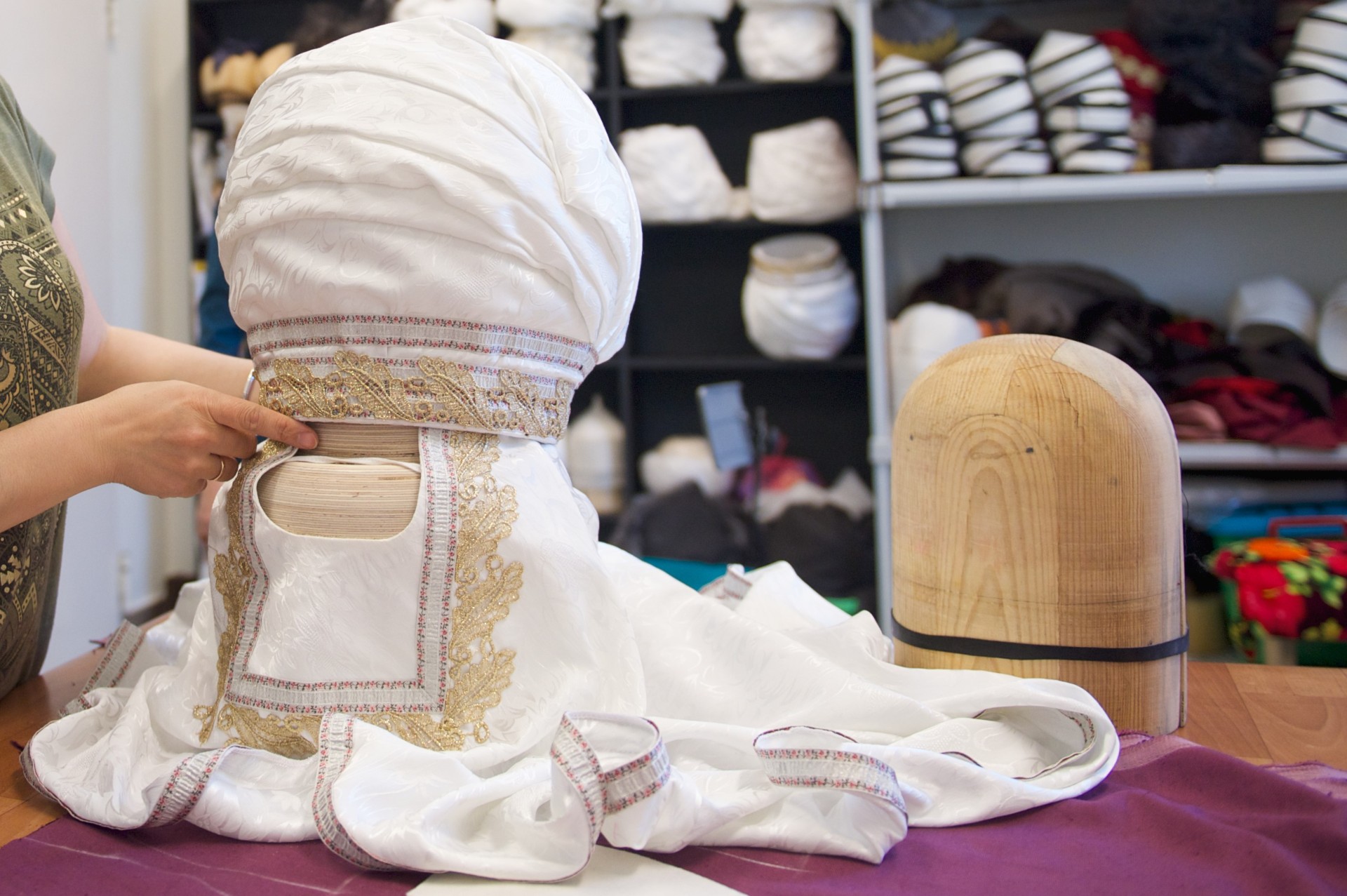
“Whenever I tour or travel, I make a point of bringing national jewellery with me. I have a personal collection that I am constantly expanding with new pieces; I see it as a meaningful way to share our culture with the world. During our tours to Italy and Russia, when the company performed the opera Abai, audiences would approach us with keen interest in our costumes. The kimeshek, in particular – the traditional Kazakh headdress – never fails to draw immense admiration from international audiences. This interest in our heritage is incredibly heartening, and I always take the time to answer their questions in detail,” concludes Tatyana Vitsinskaya.
Dariga Taishikova, a costume designer at Astana Opera, has observed a keen interest among international colleagues in historical examples of Kazakh national dress. She notes that these garments reflect a rich heritage of decorative and applied arts – a profound layer of our cultural code and a testament to craft traditions passed down through generations.
“Through museum exhibits and research materials, it becomes clear that Kazakh attire served far more than a merely utilitarian or protective purpose. Primarily, it functioned as a multifaceted cultural signifier, denoting an individual’s social standing and status. Through its form, cut, materials, colour, ornamentation, and jewellery, it identified ethnic or regional origins, as well as age and marital status. Even today, specific garments and elements remain integral to ceremonial rites and rituals; their aesthetic and symbolic power is woven into every colour combination and ornamental composition,” explains Taishikova.
“Today, young designers are actively drawing inspiration from Kazakhstan’s material and cultural heritage, reinterpreting it through modern techniques and materials to imbue it with new meanings, ideas and possibilities. Furthermore, across all generations, there is a growing trend of incorporating traditional Kazakh elements and attributes as statement pieces or blending them into contemporary looks. Ultimately, it is heartening to see these traditional motifs so closely interwoven with modern life; it is a testament to the enduring preservation and reverence for our cultural legacy,” the costume designer emphasises.
As previously noted, wearing national dress at Astana Opera has become a cherished tradition, extending far beyond the Nauryz celebrations into the opera house’s daily life. It serves as a vibrant expression of the team’s dedication to championing our people’s culture and traditions, reflecting a profound reverence for our national values.