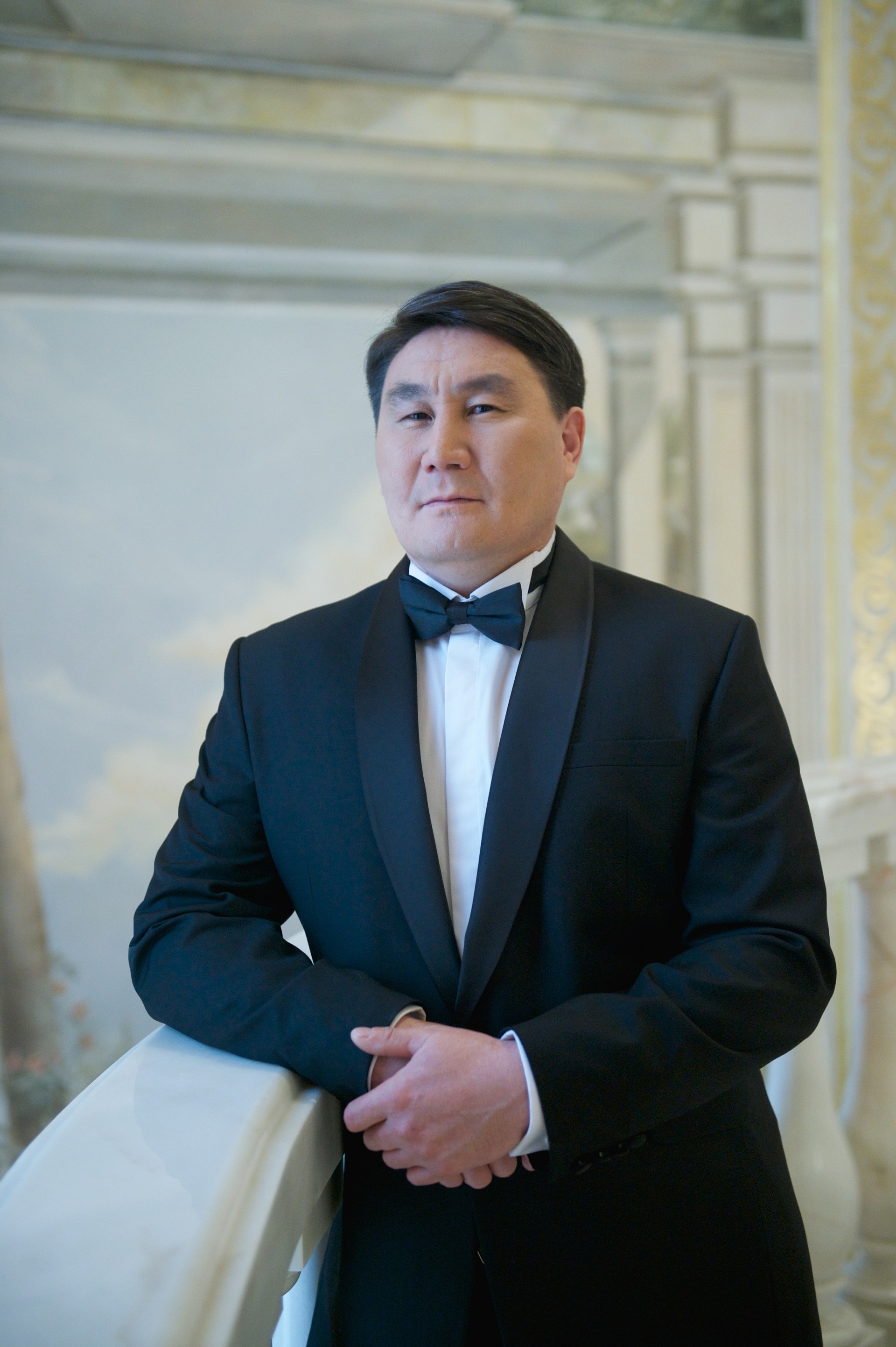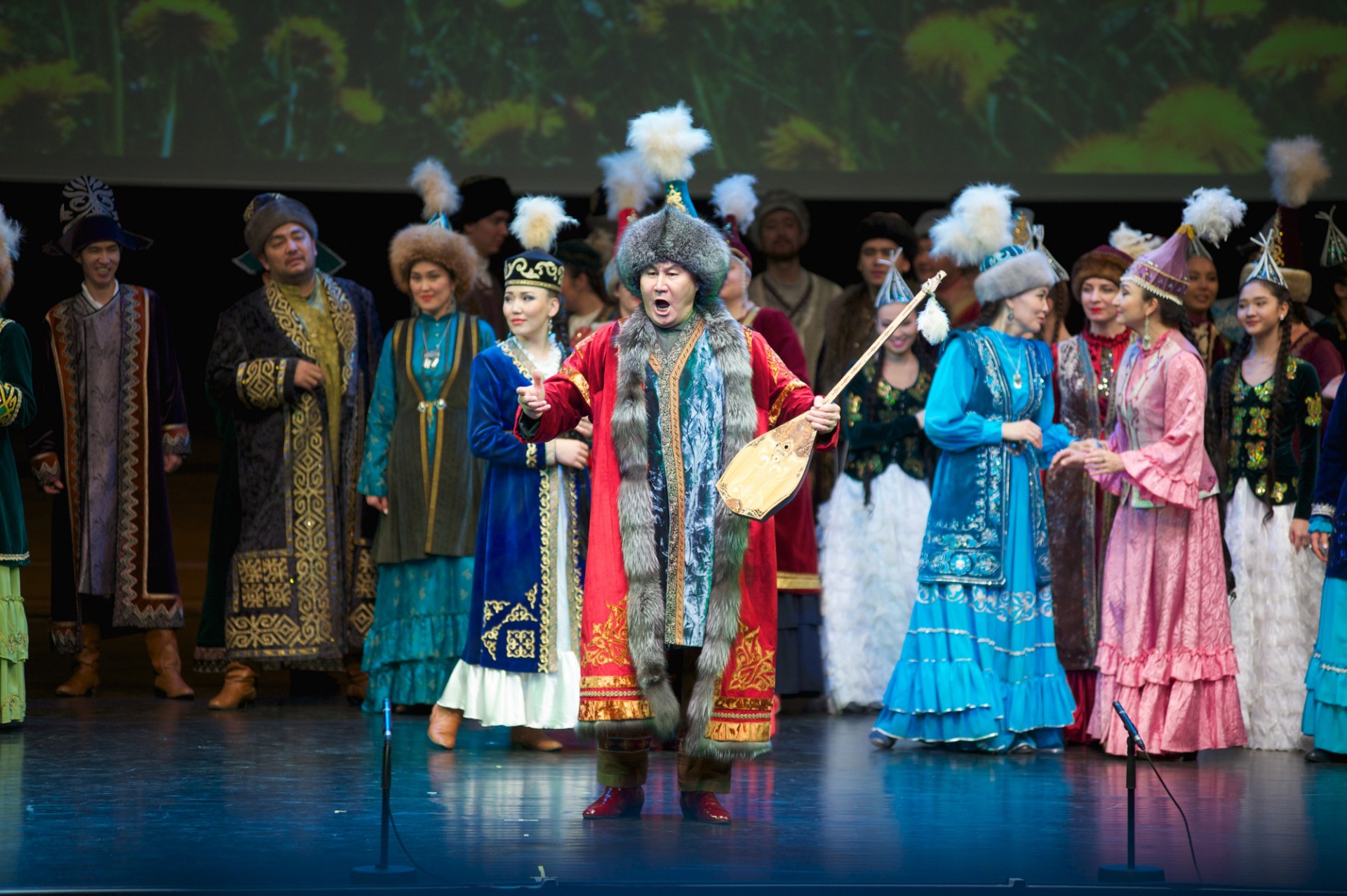

Audiences are consistently captivated by Astana Opera soloist Beimbet Tanarykov’s ability to portray national opera heroes with authentic folk flair. His voice resonates across prestigious international opera houses, earning acclaim from music critics. Writing in the magazine Muzykalnaya Zhizn, musicologist Mikhail Krivitsky noted: “The scenes featuring Beimbet Tanarykov as Azim were particularly tragic and poignant,” while music critic Alexander Matusevich observed in Nezavisimaya Gazeta that the Kazakh artist’s performance left a profound impression on all those in attendance. We spoke with the singer about his journey into the world of opera and his plans for the future.
– Mr. Tanarykov, it is said you have been passionate about singing since childhood. Who first spotted your talent?
– I was born and raised in the village of Boran, in the Marqakol District of East Kazakhstan, where there was a local singing circle. During my school years, we attended this group and never missed a single event or concert held within our school walls. This was back in the 1990s. At the initiative of our teacher, the button accordionist Zhumai-aga, we performed not only at school but also at the village community centre. Beyond that, my parents played a pivotal role in introducing me to the arts. Both my father and mother sang; inspired by them, all nine of my brothers and I played the dombyra from a young age, always performing for guests whenever they visited. From my earliest years, I loved listening to the radio – specifically to the songs of People’s Artists of the USSR Bibigul Tulegenova, Yermek Serkebayev, Rishat Abdullin, as well as People’s Artist of Kazakhstan Muslim Abdullin. I believe it was the work of this older generation that first sparked my interest in the art of opera.
After finishing school in 1994, I completed two years of military service before staying in the village for another two years to help my parents. It was not until 1999 that I decided to pursue music professionally. On the advice of my relatives, I enrolled in the Choral Conducting programme at the Abdullin Brothers East Kazakhstan School of Arts in Oskemen, where I spent four years under the tutelage of Sergey Pochekin. We also had classical vocal training with Vyacheslav Tkach. After graduating and moving to Astana, I studied Solo Singing at the Kazakh National Academy of Music in the class of Professor Kanat Omarbayev, Honoured Artist of Kazakhstan.
– Your mentor, Professor Omarbayev, cited you as one of his most talented students. Why do you think he singled you out?
– Professor Omarbayev is the person who accepted me into the academy and opened the door to the world of opera. While I was studying in Oskemen, a group of teachers from Astana visited our school for a recruitment drive, saying: ‘A music academy is opening in the capital; we are waiting for you there.’ Kanat Omarbayev was among them. He heard my voice and told me to contact him once I arrived in Astana. I did not miss this wonderful opportunity – the kind that does not come to everyone. And so, I went to Astana to pursue my dream. Stepping off the train, I called Kanat-aga and said: ‘Aga, I have arrived.’ He picked me up in his car, settled me into the dormitory, and then told me: ‘You will join my class in September, without any exams.’ I will never forget his fatherly care; I remain deeply grateful to my teacher to this day.
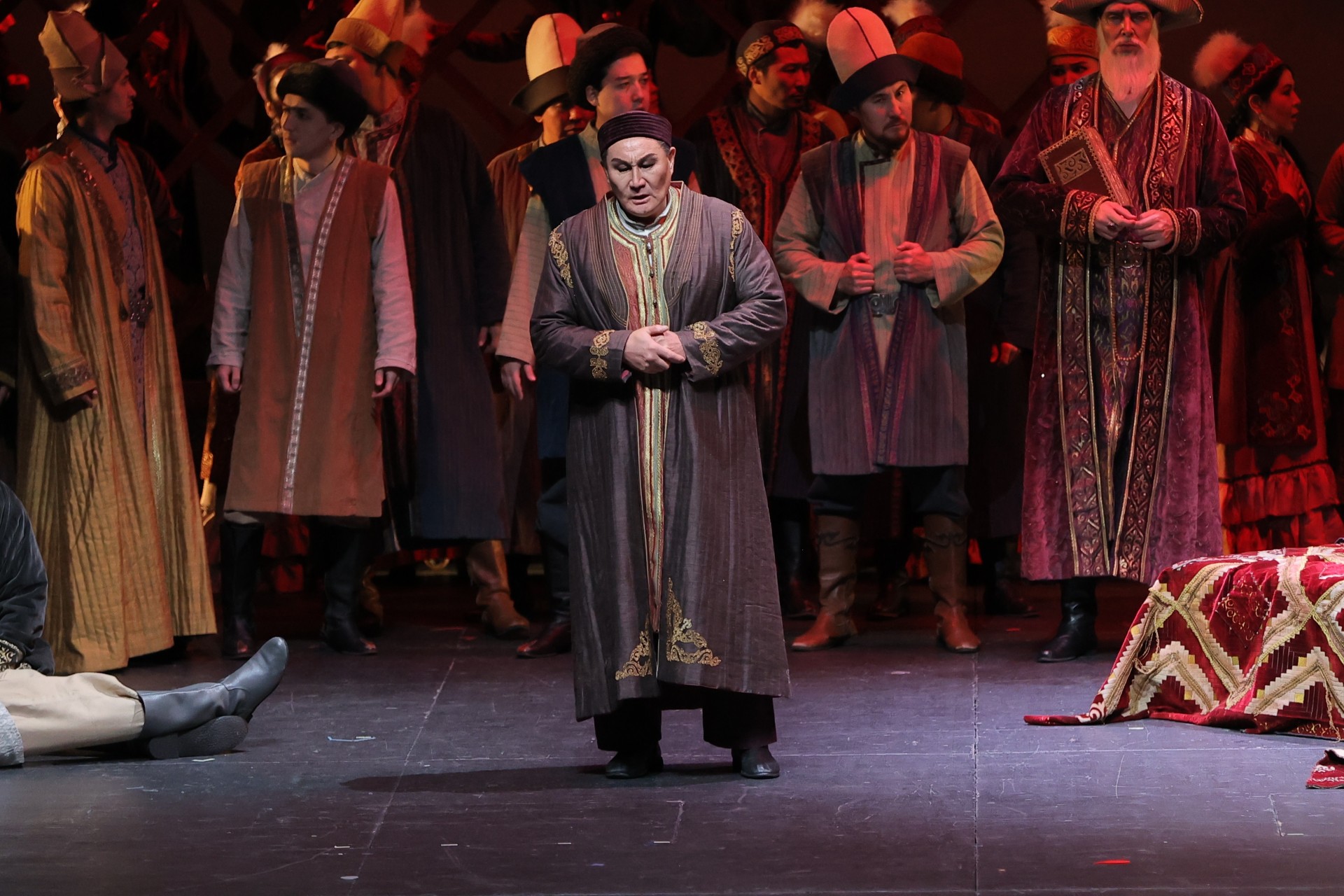
Professor Omarbayev poured all his experience into his students. He knew how to reveal each individual’s abilities, providing not just technical knowledge but a true artistic upbringing. Vocalists who studied under him – such as Aizada Kaponova, recipient of the Order of Qurmet, as well as Talgat Galeyev, Merey Kadyrkhan, and others – are now valued company members at Astana Opera. Kanat Omarbayev is himself a tenor, and I was his first tenor student; perhaps that is why he singled me out. On stage, I perform all the roles my teacher once sang: Birzhan, Azim, Shege, Pong, Gastone de Letorières, and others. It is no exaggeration to say that I appear in every production in the Astana Opera repertoire.
– You began your professional career as an opera singer at the Kulyash Baiseitova Opera and Ballet Theatre. Tell us about your debut on the major stage.
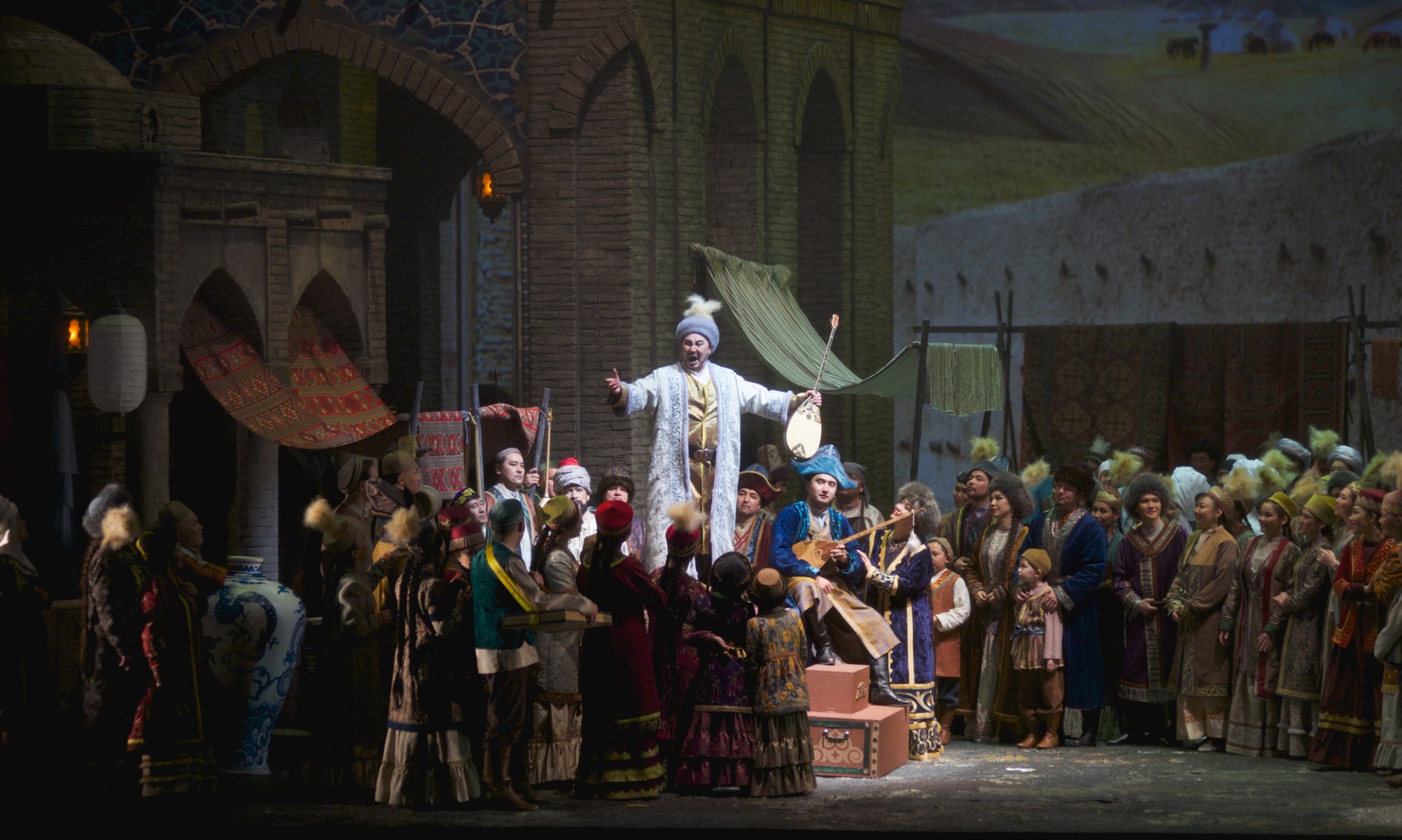
– That was in 2005, while I was still a student. Kanat-aga coached me in the role of Shege. Thanks to my teacher’s support, during my third year of study, I performed the part in Yevgeniy Brusilovsky’s national opera Qyz Zhibek at the Baiseitova Theatre. It was this role that first introduced me to the wider public. We grew up watching many masters of the stage who had laid the foundation of the opera company, and we gained invaluable experience from them. Over seven years at that opera house, my own repertoire began to take shape. Following the advice of opera veterans, I started my career with smaller roles, and in 2010, I sang the lead role of Birzhan in Muqan Tolebayev’s Birzhan – Sara for the first time. This was my first significant role. At the time, my colleague, Honoured Artist of Kazakhstan Galiya Baigazinova, who sang the role of Sara, provided immense support in helping me develop my interpretation of the character.
In 2013, following an audition involving over twenty tenors from Kazakhstan, Russia, Uzbekistan, Kyrgyzstan, and beyond, I was invited to join the company of the country’s flagship theatre – Astana Opera. This was a pivotal milestone in my life; at the time, becoming a soloist at Astana Opera was the dream of every singer.
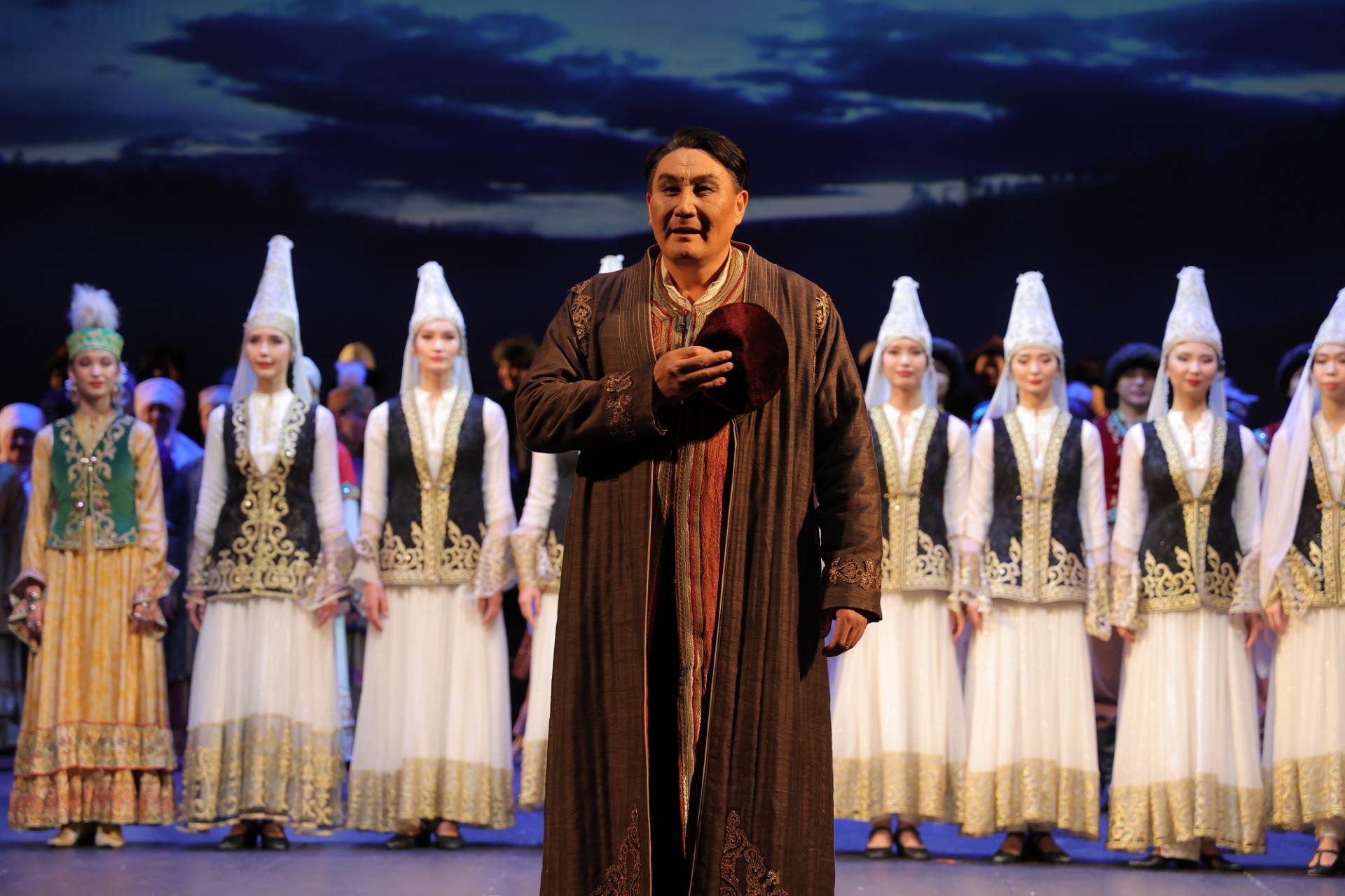
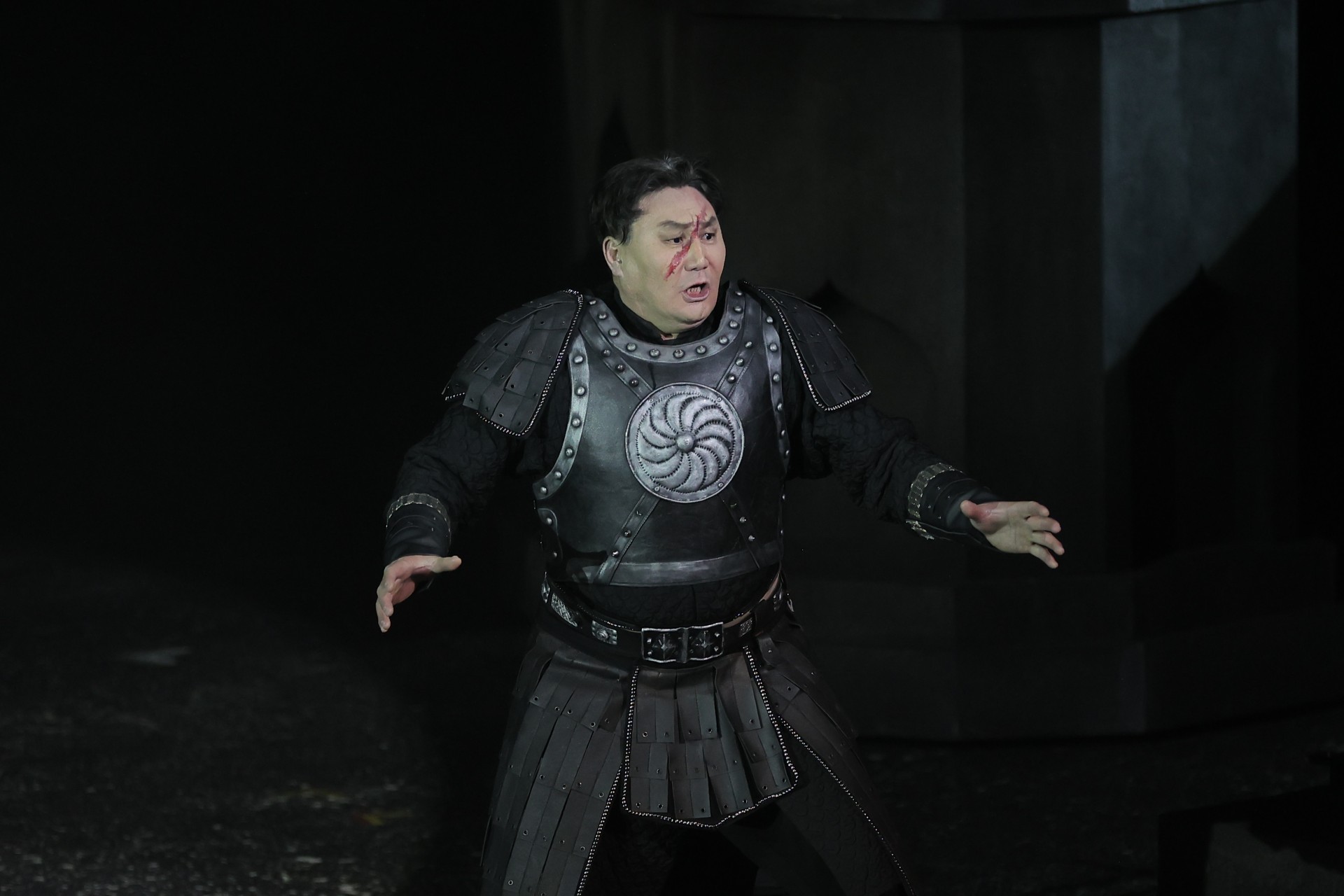
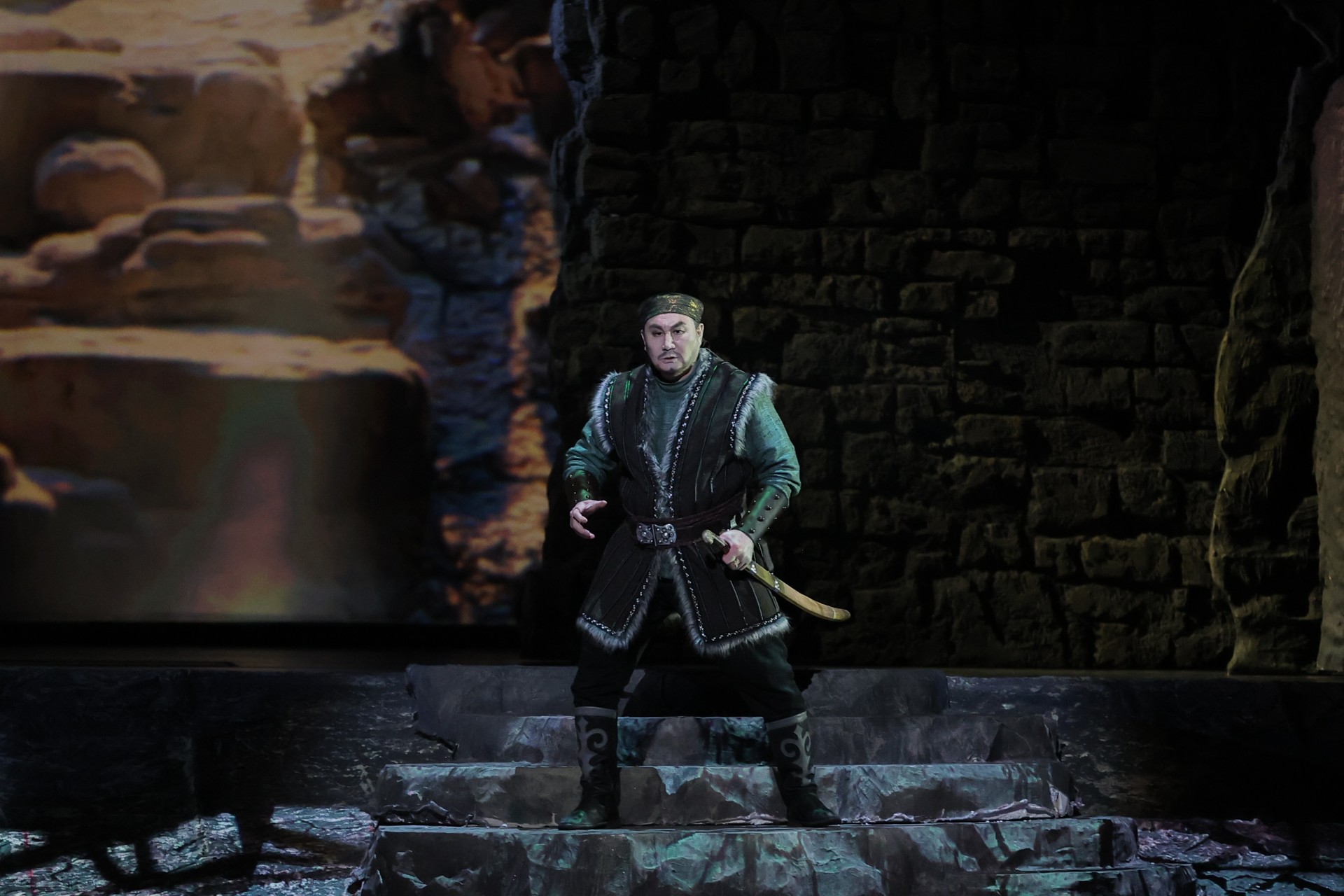
The opera house is now in its thirteenth season of staging productions of the highest international standing. During this time, our national operas, including Birzhan – Sara and Qyz Zhibek, have been reimagined. Having already mastered these roles, we were able to integrate into the new stagings seamlessly. Akhmet Zhubanov and Latif Khamidi’s opera Abai, with a libretto by Mukhtar Auezov, was also presented in a new light. Under the direction of Giancarlo del Monaco, we re-examined the character of Azim, bringing a more profound meaning to the text of the role. Furthermore, in portraying Birzhan, while the vocal and technical demands were paramount, expressive facial acting and close attention to the text were also crucial. At Astana Opera, my repertoire has expanded to include roles such as Spoletta in Puccini’s Tosca, the Messenger in Verdi’s Aida, and others. Each part possesses its own unique charm and challenges; with every performance, I strive to refine these characters and bring them vividly to life on stage.
Very soon, a landmark event will take place, not only for our opera house but for Kazakhstan’s national operatic art. On 21-22 March, Astana Opera will present the world premiere of the national opera Appaq, the Qypshaq Daughter, featuring music by the Kazakh composers Serikzhan and Alibi Abdinurov and a libretto by Tleugazy Beissembek. At present, every department – from the opera and ballet companies to the orchestra and production workshops – is working with utmost dedication to prepare for this premiere.
I am set to perform three consecutive roles in this production. In the first act, I will portray a Warrior, and in the second, I will perform a terme. It is worth noting that the composers wrote this terme specifically for my voice, at the suggestion of the opera house’s first deputy director, Toleubek Alpiyev. Mr. Alpiyev told me: ‘You champion Kazakh art. Since you perform national opera in its authentic style and articulate Kazakh so clearly, you must sing the terme – and you will be on stage with a Kazakh dombyra.’ I am very grateful to him for this opportunity and will strive to live up to his trust. I have also been cast as the Jester – a role that demands not only vocal mastery but also significant acting ability. My primary task is to inhabit all three roles in a single production, showcasing each character from a different perspective. Overall, I am deeply thankful for the support of the opera house leadership, specifically our general director, Alexandr Sovostyanov, and the opera company director, Talgat Mussabayev.
– How do you make your portrayals so memorable?
– As the saying goes, ‘it is easier to see from the outside’; I always welcome constructive feedback and strive to make improvements. If the audience connects with the works I perform, then I know I am delivering them correctly.
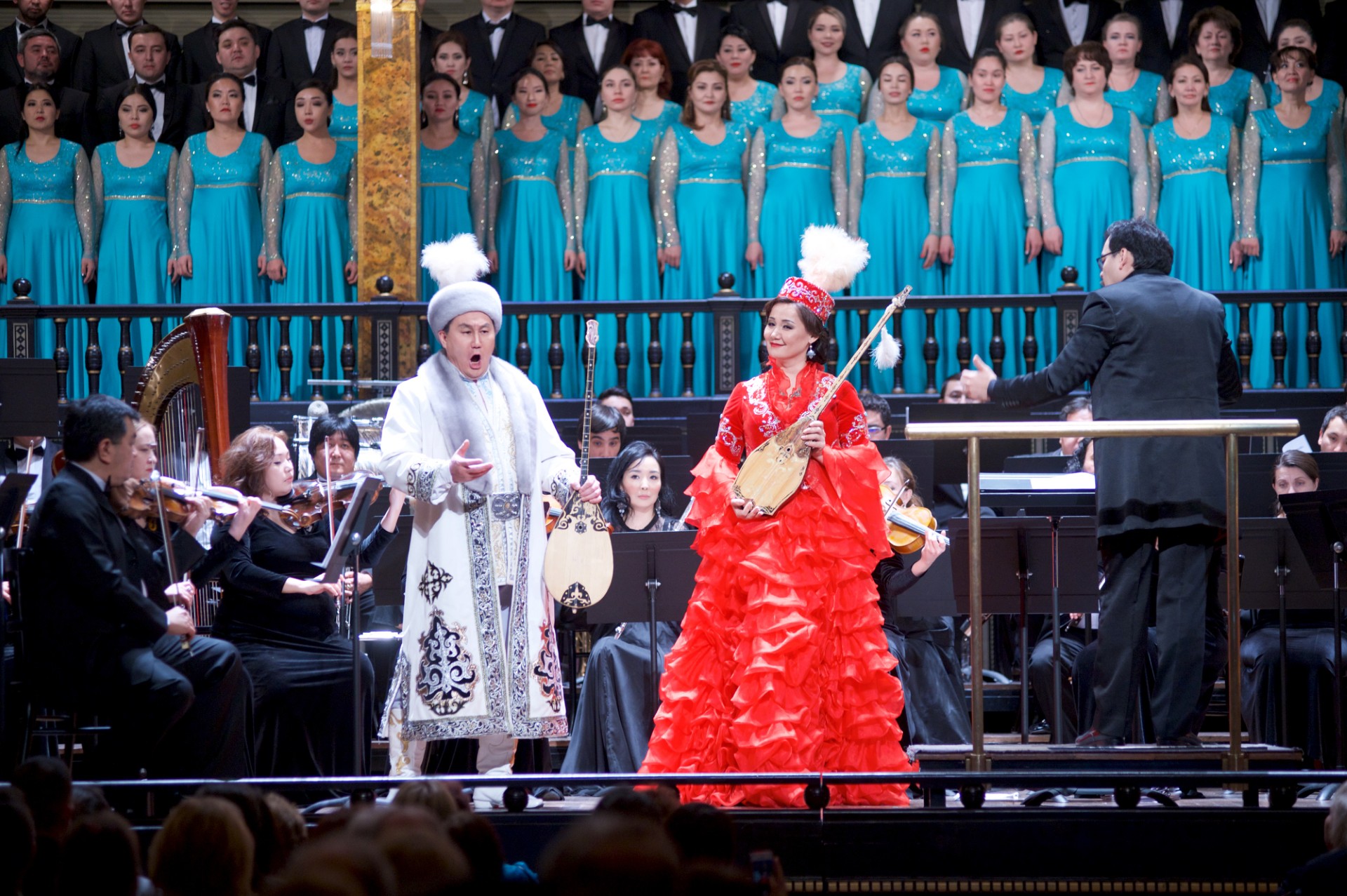
I am well aware that a double responsibility falls upon me when performing national operas. While the vocal and technical demands are paramount, one must also convey every word to the audience, ensuring every sound is articulated with absolute clarity. Only then will the performance truly resonate. If the audience understands the heart of the production, that is the greatest victory for an artist. I should also mention that throughout my twenty-year career, I have never let go of the dombyra. When I sing the roles of Birzhan, Shege, or Azim, I take the stage with a dombyra. My childhood passion for singing and the Kazakh dombyra has found its reflection on the stage.
– Yes, audiences are particularly drawn to your portrayal of Birzhan in the authentic folk style.
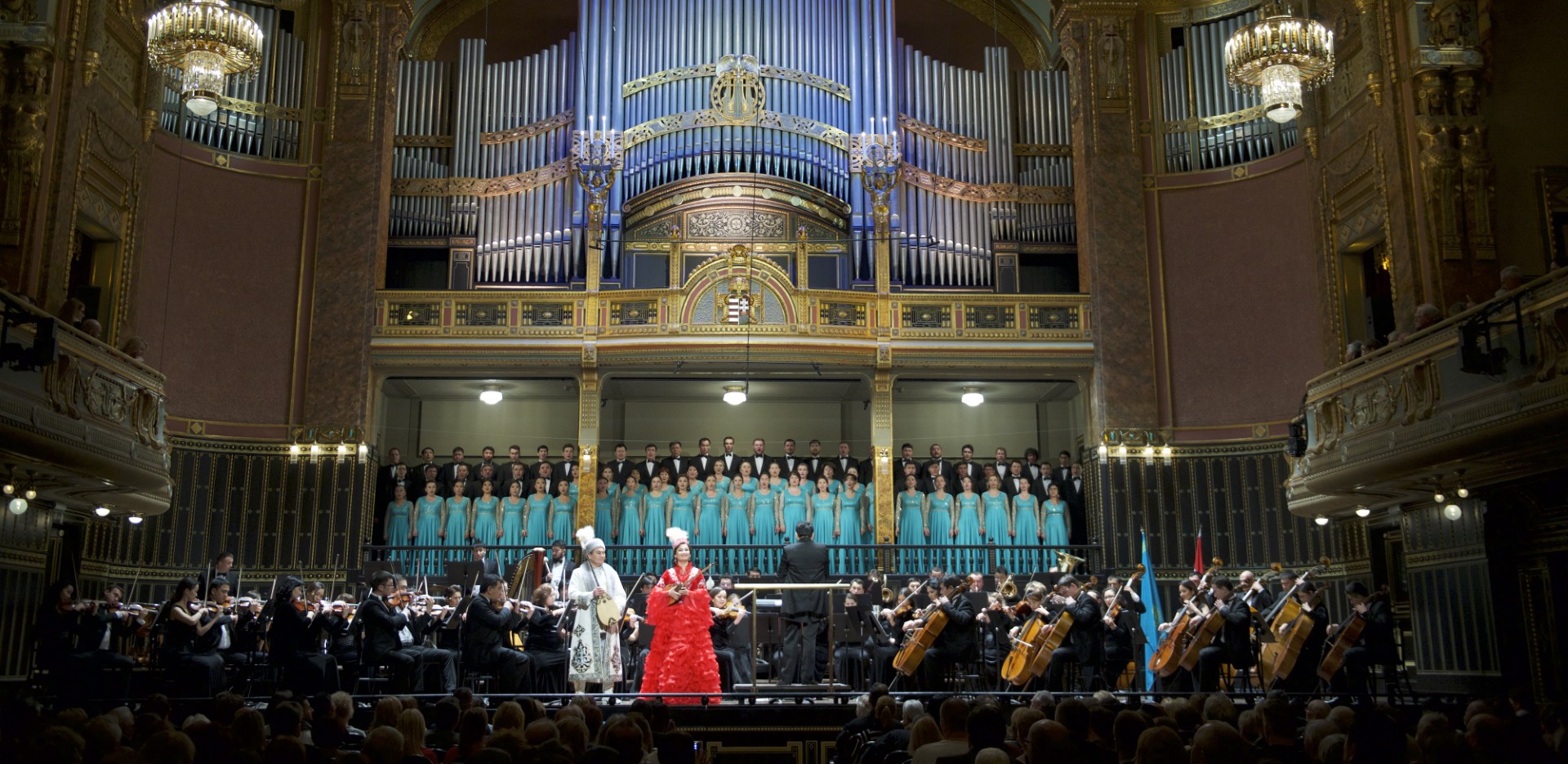
– Thank you. The opera I perform with the greatest pride is Muqan Tolebayev’s Birzhan – Sara. The composer wrote the part of Birzhan – the pinnacle of our national repertoire – for a rare lyric-dramatic tenor. My mentors used to say: ‘This role will become your calling card.’ And so it has proved. My colleague and trusted stage partner – principal soloist, Honoured Worker of Kazakhstan Bibigul Zhanuzak, – and I performed the Aitys scene at a prestigious venue in Hungary. The audience’s enthusiasm was boundless; they were reluctant to let us leave the stage and called for an encore. We consistently encounter such warm receptions during our international tours. Foreign audiences are always captivated by the grandeur of our national operas, the exquisite costumes, and the sheer scale of the productions.
– Is it difficult to balance the life of a soloist with family life? Do your children intend to follow in your footsteps?
– My wife, Saule Rakhimova, is a musician herself, so she understands the demands of my career perfectly. Our children are also immersed in the arts: the eldest, Bakytzhan, plays the clarinet, and the youngest, Adilzhan, plays the trombone. Both study at the Specialised Boarding School for Gifted Children in Astana. We encouraged them to take up wind instruments because the breathing technique for vocalists and wind players is identical. If our sons wish to pursue singing in the future, they will already have a strong foundation to build upon.
My family provides unwavering support, not just in life, but in my art. A week before any performance, a certain calm descends upon our home; the whole family works to create the right environment for me. Everyone shares the same goal: for the performance to be a success. After all, opera is not an art where one can simply walk on stage and sing; it demands rigorous preparation. We must be psychologically ready for every production, so having a family that supports me before every appearance is something I treasure deeply.
Currently, I am also mentoring lyric-dramatic tenors, preparing them to take the stage in the role of Birzhan. I believe that anyone entering the world of opera must be truly passionate about the operatic art form. My advice to young vocalists is this: never tire of self-improvement, and always work with dedication.