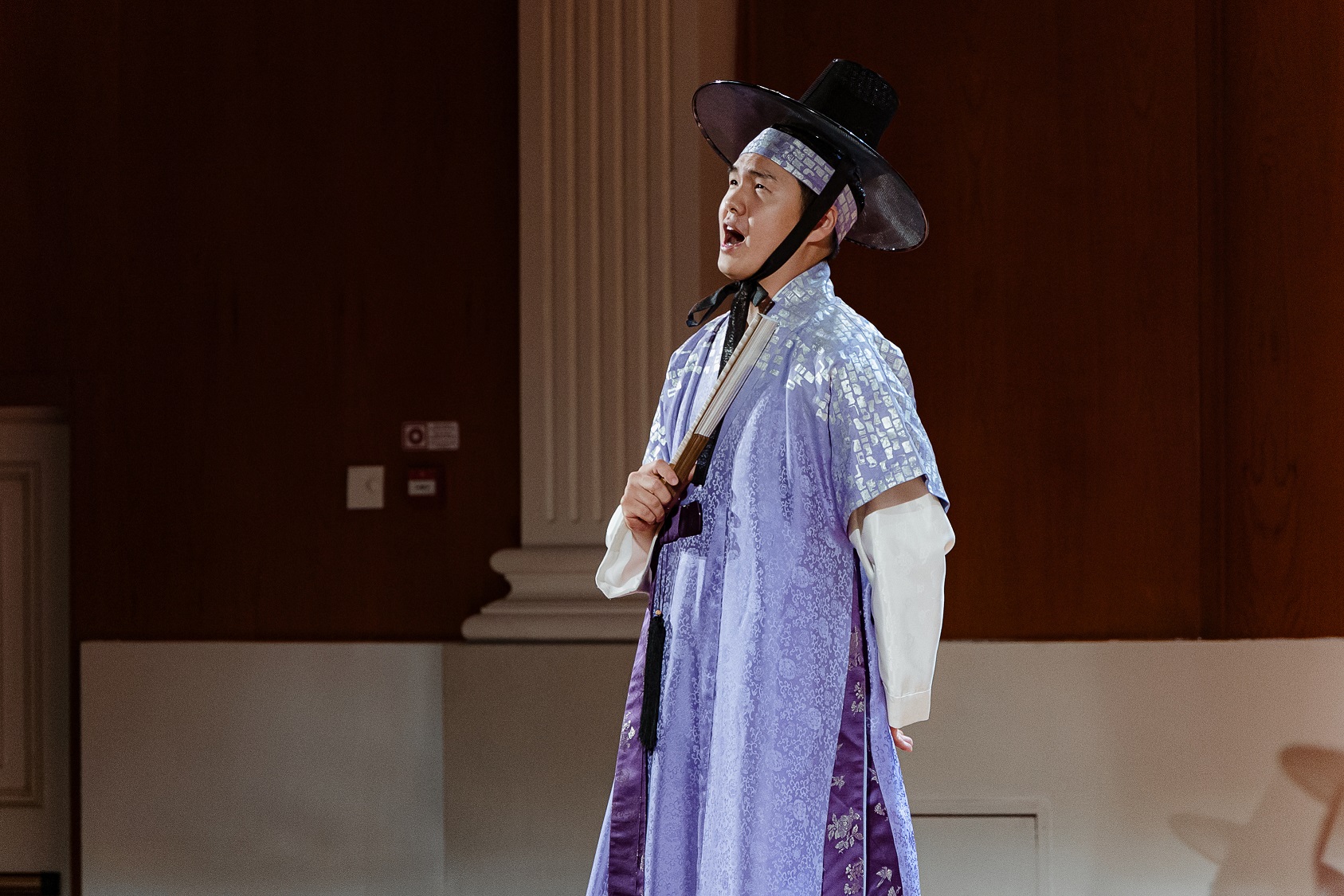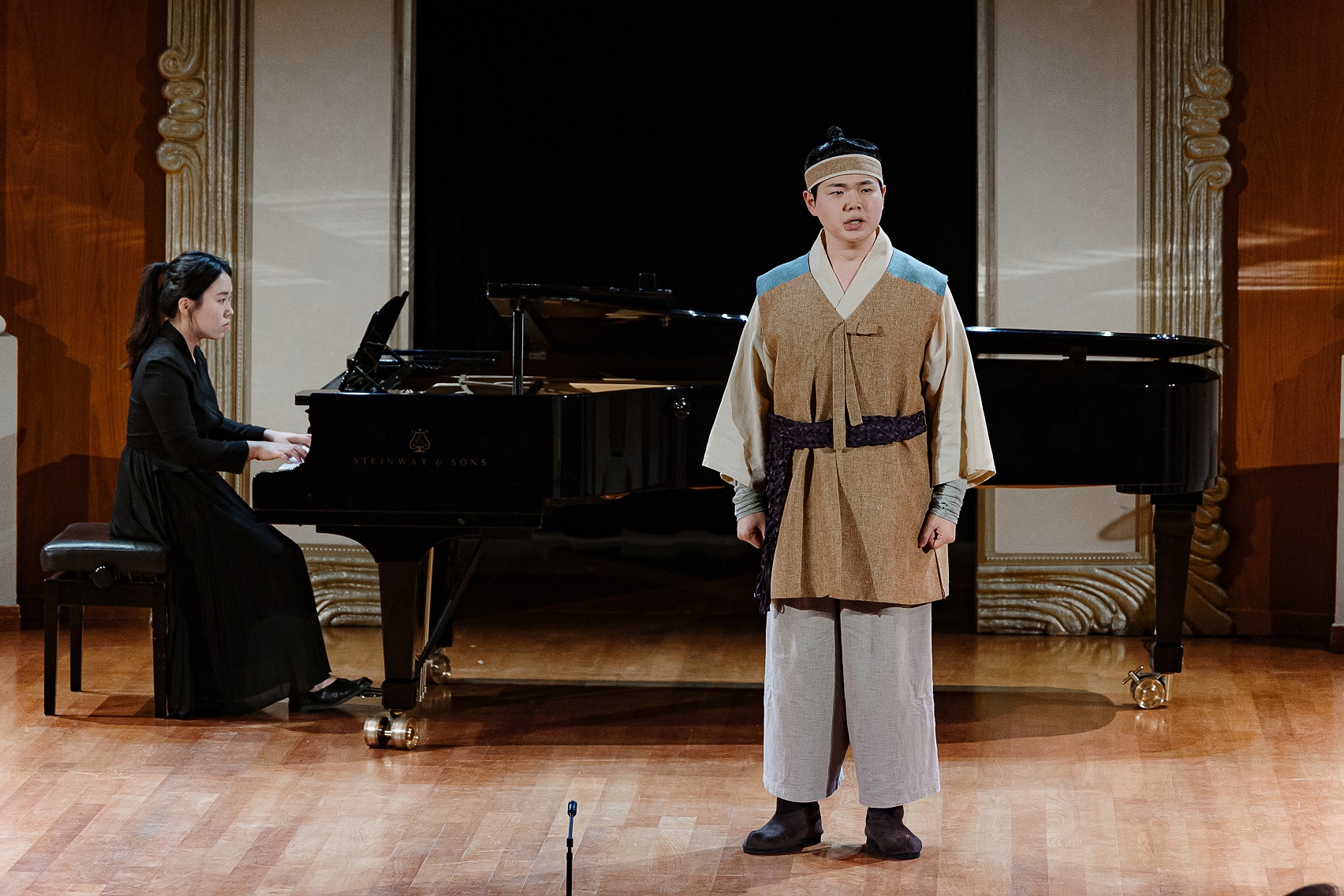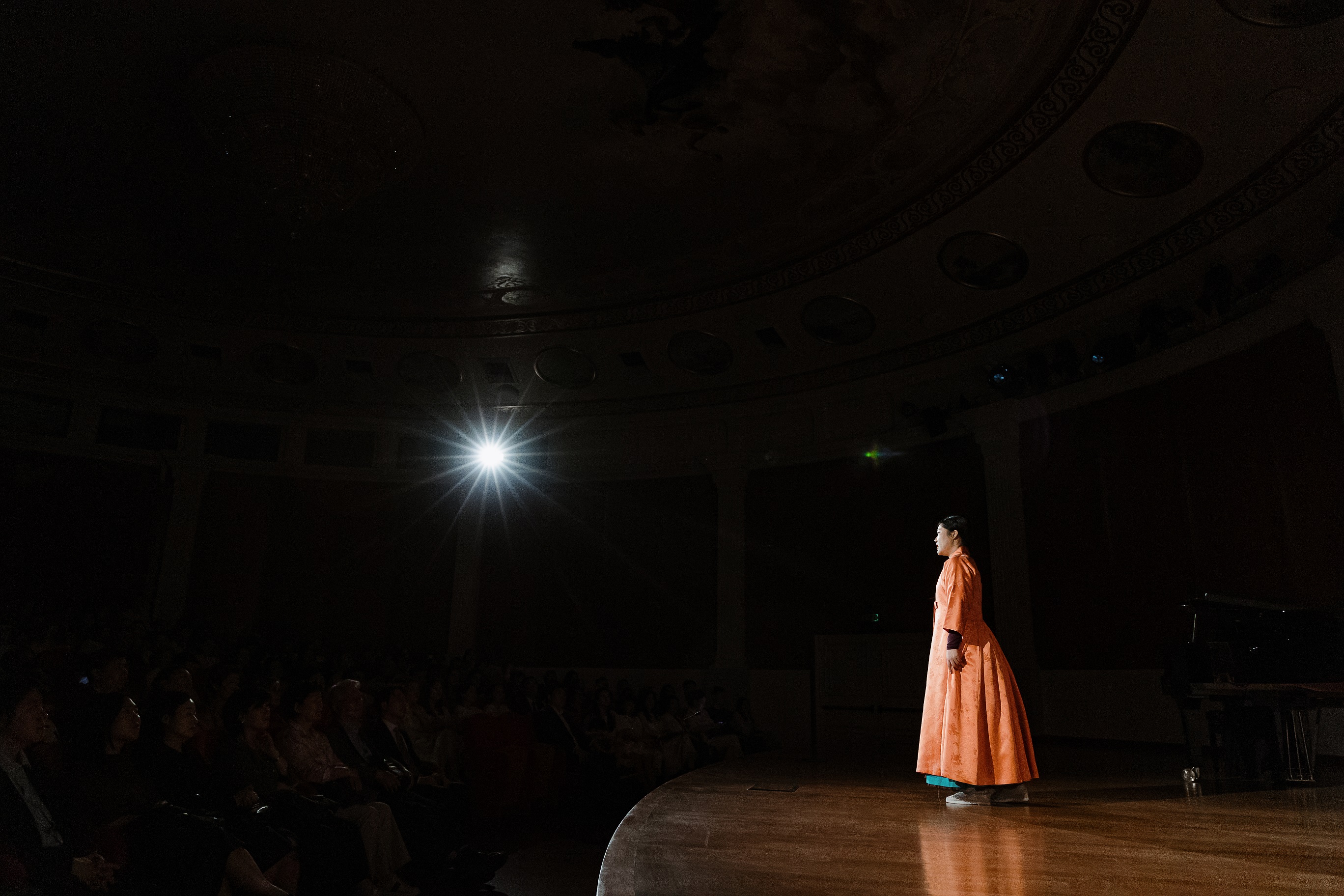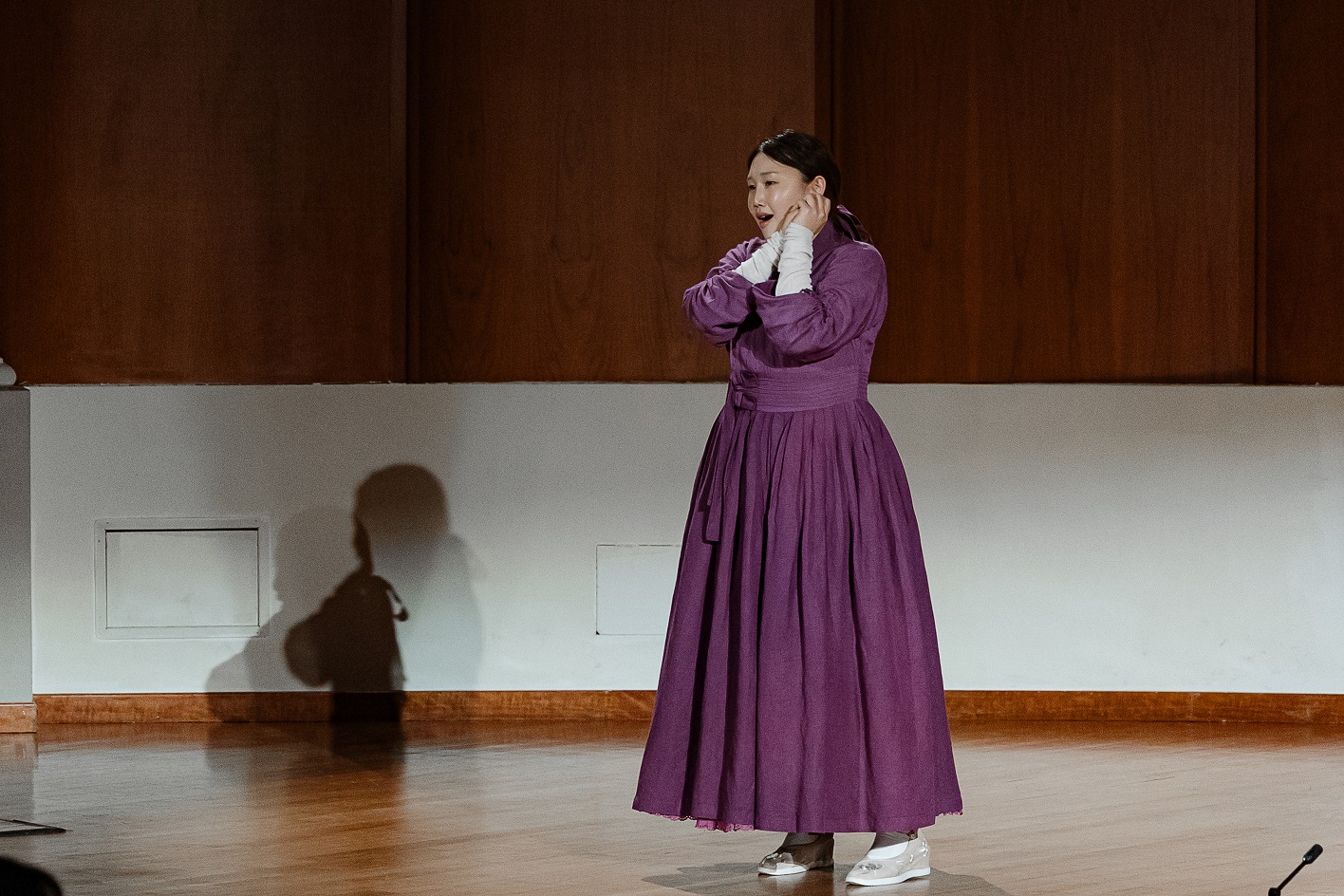

The Opera Voyage concert, performed by soloists from the Korea National Opera, became one of the most vibrant highlights of the Operaliya 2026 festival at the Astana Opera. Although the evening’s programme comprised two extensive halves, featuring excerpts from the contemporary Korean opera Soul Mate and masterpieces from the global operatic repertoire, the most moving moment emerged during a genuinely unexpected encore.
As the applause subsided following the official programme, a moment unfolded on the stage of the Kulyash Baiseitova Chamber Hall that left the audience spellbound. The Korean artists began to sing Abai Qunanbaiuly’s ‘Kozimnin Qarasy’. For an auditorium where many have known this melody since childhood, it was a profound surprise. The operatic voices of the young Korean singers, who just an hour prior had dazzled in Verdi and Puccini arias, acquired an entirely different resonance; the atmosphere in the hall grew incredibly warm and soulful.
“I have adored Abai since childhood, but I never imagined I would hear his song performed by guests from Korea. I thoroughly enjoyed the concert; all the soloists demonstrated an exceptional level of artistry. Before attending this musical evening, I read online that the Korea National Opera was founded in 1962 and stands as the leading opera company in the Republic of Korea. As a national arts organisation, it presents masterful productions and plays a pivotal role in the development of operatic art in the country. I believe we all witnessed this firsthand tonight,” shared audience member Saule Ibrasheva.
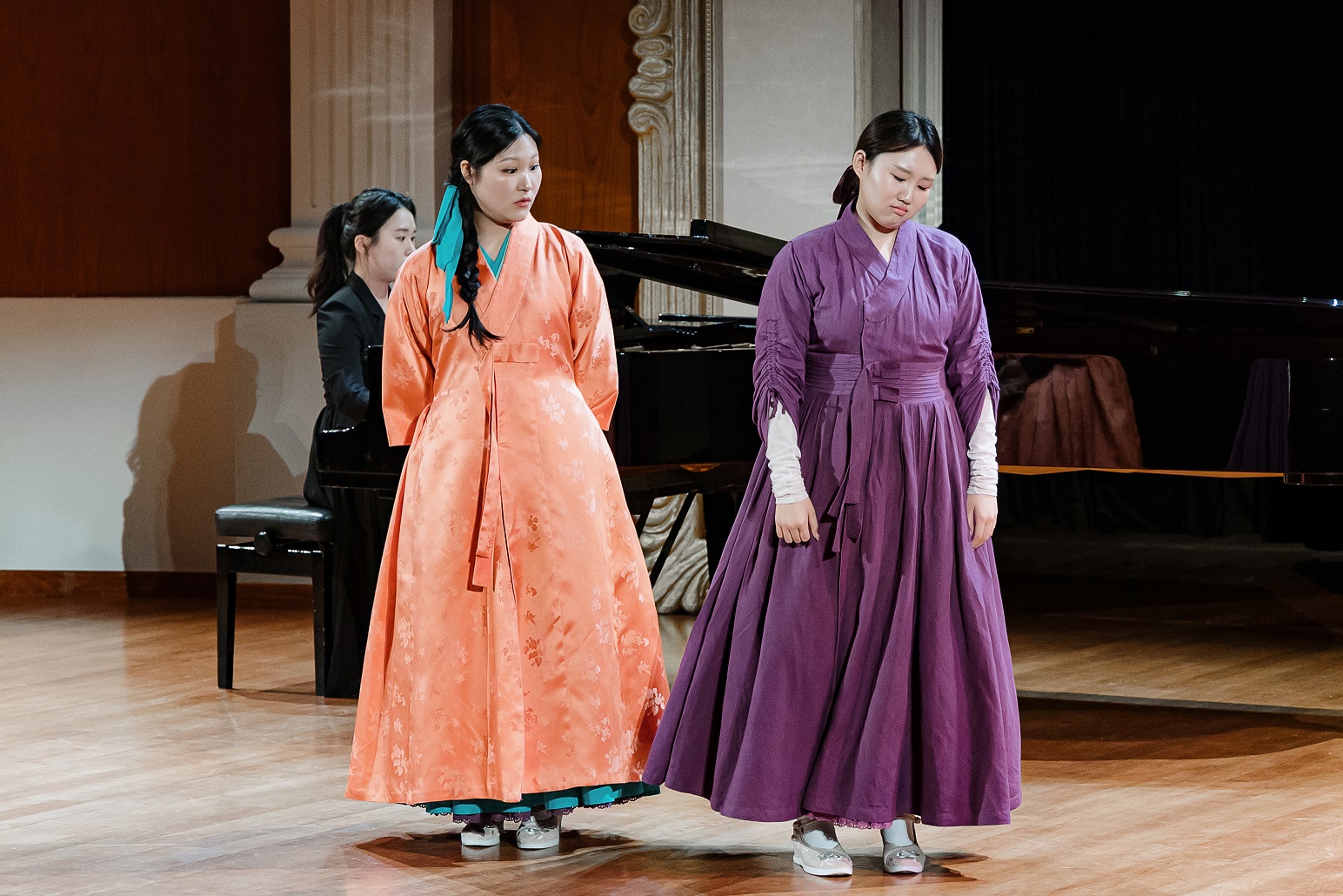
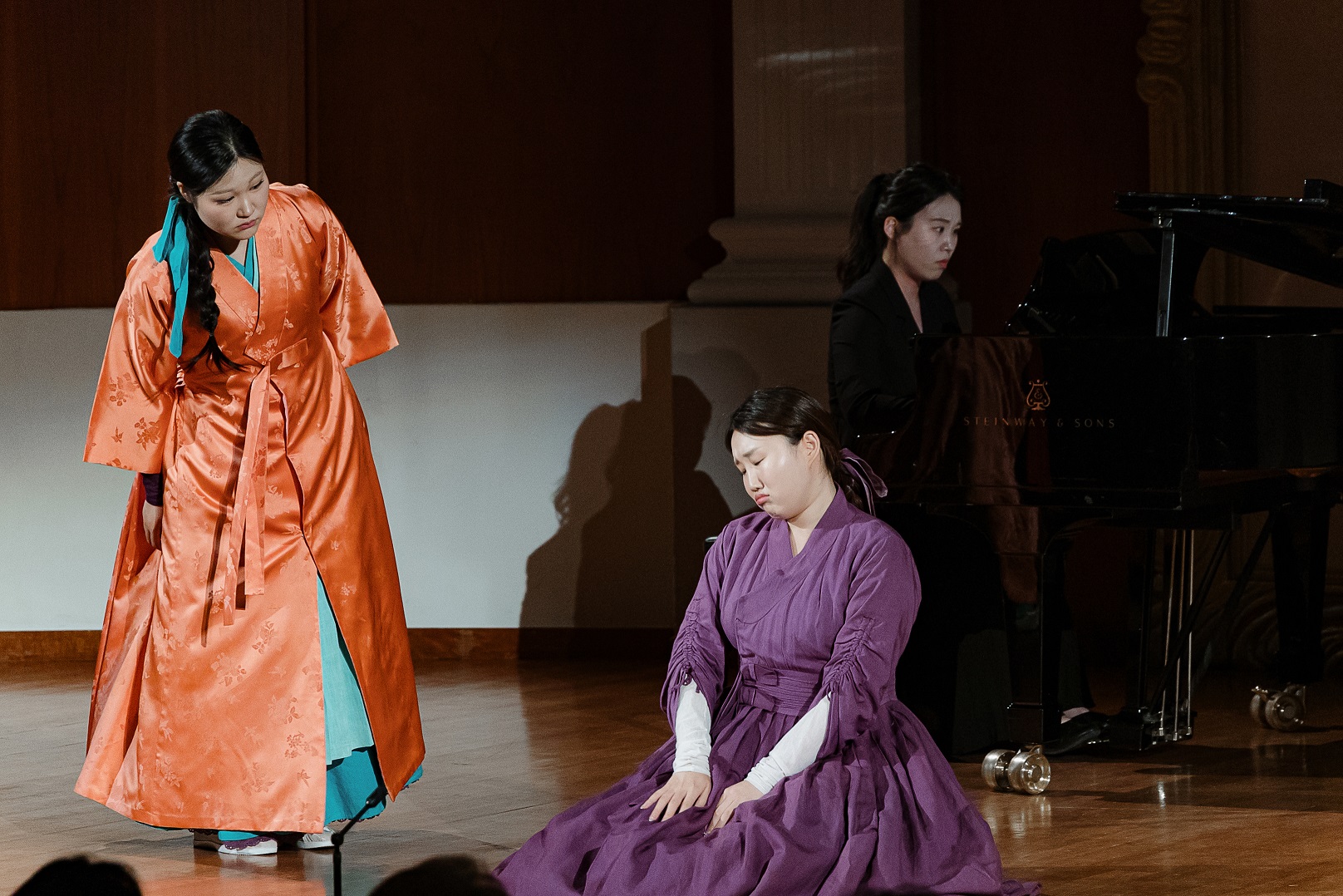
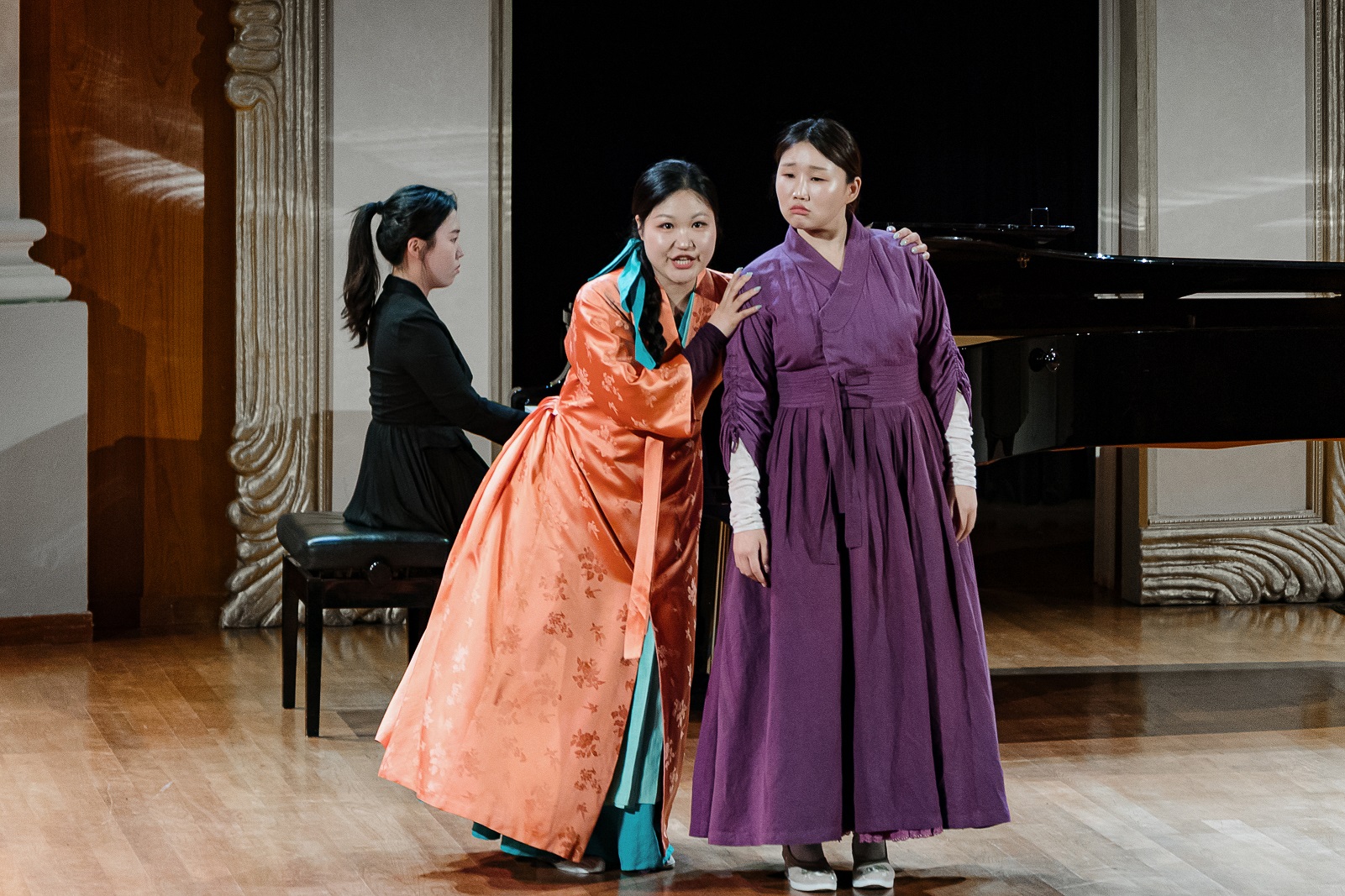
The listeners also fully appreciated the main programme. The first half, dedicated to Lim Junehee’s opera Soul Mate, progressed seamlessly. Four soloists – sopranos Choi Youngwon and Jin Jueun, tenor Kim Hansung, and baritone Nam Gichan – enacted this comic tale of lovers’ confusion with evident delight. Their voices flowed effortlessly through coquettish inflections (‘I Want to Marry’, ‘A Woman Ought to Be Beautiful’) and sincere lyrical confessions (‘The Moment I First Saw You’, ‘If I Am with You’), whilst the Eastern colour of the music blended organically with European operatic form.
In the second half of the concert, the artists turned to classical European repertoire, revealing their professionalism from a new perspective. A poignant rendition of Magda’s aria from Puccini’s La Rondine by Choi Youngwon caused the audience to hold its collective breath, while in Romeo’s famous serenade by Gounod, tenor Kim Hansung demonstrated a striking lightness in his upper register. The duet from La Traviata was a particular highlight, as the singers’ voices intertwined in the exact waltz rhythm written by Verdi for the declarations of Alfredo and Violetta. The second half concluded with three Korean songs, in which the vocalists displayed excellent technique and a profound understanding of national poetic intonation. Nevertheless, it was the sincere and spirited performance of ‘Kozimnin Qarasy’ that brought the evening to a close, leaving an enduring impression of true cultural kinship.
Following the concert, soprano Choi Youngwon shared her impressions: “This was my debut performance in Astana, and I am deeply moved – it is a great honour to meet the Kazakh public. I performed the role of Seohyang from the contemporary Korean opera Soul Mate. Through this performance, I hoped to connect with the Kazakh audience via music and convey the unique beauty and emotional depth of Korean opera. I wish to tell the capital’s arts enthusiasts: I hope our performance has left every single listener with warm and unforgettable impressions. It is also a matter of great joy for me if this concert provided an opportunity for you to discover Korea and develop a deeper interest in Korean culture.”
Tenor Kim Hansung also reflected on the evening’s emotions: “Yes, this was my first performance in Astana as well. I looked forward to meeting the public of this new city with great anticipation. For this concert, I presented a diverse selection of vocal works – operatic arias, ensemble numbers, and Korean art songs. I sincerely sought to convey the emotions and narratives embedded within each piece. I believe music possesses a distinct power to unite people, transcending linguistic and cultural barriers. Through this performance, I wished to share moving moments with the Astana audience and create a valuable opportunity for mutual cultural understanding,” the singer concluded.